Quick Answer
Bone grafts and metal augments are used in revision knee replacement to restore bone integrity and provide mechanical support, ensuring stable implant fixation and improved knee function. They address bone loss and defects, enabling proper implant fit and joint stability during complex revision surgeries.
- Bone grafts restore bone volume and promote healing to create a stable foundation for new implants in revision knee replacement.
- Metal augments fill bone defects that cannot be restored by grafts alone, providing mechanical support and ensuring proper implant alignment.
- Bone grafts can be autografts, allografts, or synthetic substitutes, each with different healing characteristics and considerations.
- Metal augments are made from biocompatible metals like titanium or cobalt-chromium alloys for strength and durability.
- Surgical techniques involve careful assessment of bone loss, precise placement of grafts and augments, and secure implant fixation to optimize outcomes.
- Using bone grafts and metal augments improves implant stability and function but may increase surgical complexity and recovery time.
- Postoperative care includes pain management, rehabilitation, and weight-bearing restrictions to protect graft integration and promote healing.
How Are Bone Grafts and Metal Augments Used in Revision Knee Replacement?
Bone grafts and metal augments play critical roles in revision knee replacement surgeries by addressing bone loss and ensuring implant stability. These techniques help reconstruct the knee's bony structure when previous implants loosen or bone defects develop, enabling a secure fit for the new prosthesis and promoting long-term function. Without these interventions, achieving a stable and well-aligned implant can be difficult, leading to compromised outcomes.
Revision knee replacement is a complex procedure that often encounters challenges such as weakened bone stock or deformities from previous surgeries. Bone grafts provide biological material to restore bone volume and encourage healing, while metal augments fill defects and support the implant mechanically. Together, they optimize surgical outcomes and improve joint stability, which is essential for pain relief and restoring mobility.
Patients facing revision surgery should understand that these techniques are tailored to their specific bone loss patterns and overall health. The use of grafts and augments may extend surgical time and influence recovery protocols. Understanding how these materials are used can help you feel more informed about your treatment options and what to expect during and after the procedure. This knowledge allows you to discuss your care confidently with your surgical team and participate actively in decision-making.
Get Support for Joint Pain and Osteoarthritis
Answer a few short questions and HealthNode will help you connect with the right orthopedics, physical therapy, or joint care specialist.
Pain and Daily Life
This helps us understand how much the joint problem affects your movement and daily activities.
Previous Diagnosis or Treatment
Tell us what has already been checked or tried so we can route you to the right care option.
Contact information
Your information is only used to contact you and is never shared with third parties.
Your request has been received!
Thank you. If you have X-ray, MRI, blood test results, previous diagnosis notes, medication history, injection records, physical therapy notes, or previous surgery records, please keep them ready. A HealthNode consultant will guide you through the next step.
The Role of Bone Grafts in Restoring Knee Bone Integrity
Bone grafts are essential in revision knee replacement when there is significant bone loss around the joint. This loss can result from implant loosening, infection, or previous surgeries that have weakened the bone. Grafts provide a framework to rebuild and strengthen the knee's bone, creating a stable foundation for the new implant. Without adequate bone stock, the implant may fail to anchor properly, increasing the risk of loosening or mechanical failure.
There are several types of bone grafts used, including autografts (using your own bone), allografts (donor bone), and synthetic substitutes. Autografts have the advantage of containing living cells that promote faster integration but require an additional surgical site, which may increase pain and recovery time. Allografts and synthetic options avoid this but rely on the body to incorporate the material over time, which can be slower or less predictable.
Successful bone grafting depends on osteointegration, the process where the graft fuses with the existing bone. This biological healing restores bone stock and improves the structural support needed for implant fixation. Factors such as the patient’s age, overall health, and smoking status can influence graft healing. Your surgeon will select the graft type based on your specific bone defect and overall health to optimize healing and function.
Patients should be aware that bone graft incorporation takes time, and weight-bearing restrictions may be necessary during early recovery to protect the graft. Regular monitoring through imaging helps assess graft healing and implant stability. Understanding the role of bone grafts can help set realistic expectations for recovery duration and functional outcomes after revision knee surgery.
How Metal Augments Enhance Knee Joint Stability and Fit
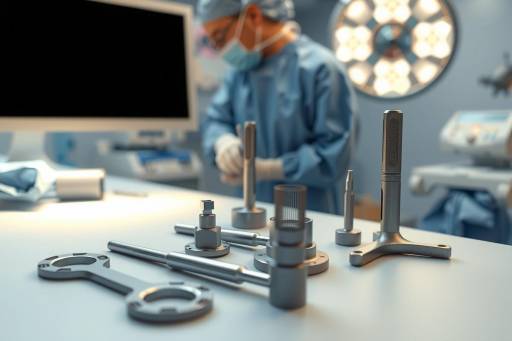
Metal augments are specialized components attached to revision knee implants to fill bone defects that cannot be sufficiently restored by grafts alone. These defects often occur in complex revision cases where bone loss is extensive or irregular, making standard implant placement challenging. The presence of such defects can compromise the stability and alignment of the prosthesis if left unaddressed.
Designed to match the shape and size of the bone loss, metal augments compensate for missing bone by providing a stable surface for the implant to rest on. Their use ensures proper prosthetic fitting and alignment, which are vital for knee joint stability and function. Without adequate support, the implant may shift or loosen, leading to pain, impaired mobility, and the need for further surgery.
These augments are usually made of biocompatible metals like titanium or cobalt-chromium alloys known for their strength and durability. These materials are chosen because they resist corrosion and integrate well with the surrounding bone tissue, minimizing the risk of adverse reactions. By filling bone voids, metal augments prevent implant loosening and help distribute mechanical loads evenly, reducing stress on the surrounding bone and prolonging implant longevity.
Patients should be aware that while metal augments enhance stability, their use may slightly increase surgical complexity and recovery time. Surgeons carefully evaluate the size and location of bone defects to determine the appropriate augment design and placement. The goal is to restore the knee’s anatomy as closely as possible to ensure optimal function and reduce the risk of complications over time.
Surgical Techniques for Applying Bone Grafts and Metal Augments
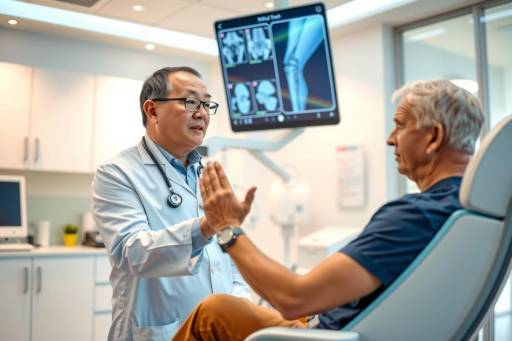
Revision knee surgery with bone grafts and metal augments involves careful preoperative planning and precise surgical execution to address complex bone defects and ensure implant stability. The surgeon first assesses bone loss using imaging studies such as X-rays, CT scans, or MRI to determine the size, location, and quality of the remaining bone. This evaluation guides the selection of appropriate graft materials and metal augment designs.
During surgery, damaged tissue and failed implant components are meticulously removed to prepare the site for reconstruction. Bone grafts are then shaped and placed into the bone defects, often secured with screws or plates to ensure stability and maintain proper alignment. The surgeon ensures the graft material is in close contact with healthy bone to promote osteointegration, which is essential for long-term graft survival and function.
Metal augments are selected based on the defect’s geometry and attached to the revision implant to fill any remaining bone voids. The implant, combined with the grafts and augments, is carefully positioned to restore knee alignment and stability. Fixation techniques such as cementing or press-fit methods secure the implant while allowing for bone healing. The choice between cemented or press-fit fixation depends on bone quality and surgeon preference.
This meticulous approach helps achieve a durable reconstruction that supports early rehabilitation and function. Surgeons must balance achieving stable fixation with preserving as much healthy bone as possible. Throughout the procedure, attention to soft tissue balancing and alignment is critical to optimize knee mechanics and reduce the risk of postoperative complications.
Benefits and Risks of Using Bone Grafts and Metal Augments in Knee Revisions
Using bone grafts and metal augments in revision knee replacement offers significant benefits in restoring bone integrity and joint stability. These materials enable surgeons to reconstruct complex bone defects, improving implant fixation and reducing the risk of loosening, which is a common cause of revision failure. By addressing bone loss effectively, these techniques help patients regain better knee function and reduce pain.
Bone grafts promote natural bone healing and can restore bone stock that may be needed for future surgeries, an important consideration in younger or more active patients. Metal augments provide mechanical support where bone quality is insufficient, ensuring proper load distribution and alignment, which are critical for the longevity of the implant.
However, there are risks associated with these interventions. Infection is a serious concern that can compromise healing and implant success. Graft failure or nonunion, where the graft does not properly integrate with the host bone, can lead to instability. Implant loosening may still occur despite augmentation, and some patients may experience allergic reactions or sensitivities to metal components, although this is rare.
Surgeons minimize these risks by employing sterile techniques, careful patient selection, and postoperative monitoring. Factors such as patient health, bone quality, and previous surgical history influence the choice of graft and augment materials. Discussing these benefits and risks with your surgeon helps set realistic expectations and guides personalized treatment planning to maximize safety and outcomes, ensuring that you understand the potential complications and the recovery process involved.
Postoperative Care and Recovery Expectations for Revision Knee Surgery
Recovery after revision knee replacement involving bone grafts and metal augments requires a structured rehabilitation plan tailored to your surgical reconstruction. Initial postoperative care focuses on pain management, wound healing, and preventing complications like infection or blood clots, which are risks heightened by the complexity of revision surgery.
Physical therapy typically begins early to restore range of motion and build strength, but weight-bearing may be limited depending on the extent of bone grafting and implant fixation. For example, if large bone grafts were used, your surgeon might recommend partial or non-weight-bearing for several weeks to allow the graft to integrate securely. Your surgeon and therapy team will provide specific guidelines on activity progression based on your individual surgery and healing response.
Long-term recovery can take several months as the bone graft integrates and the knee regains stability. During this time, gradual improvements in mobility and strength are expected, but patients should be patient and adhere closely to rehabilitation protocols. Regular follow-up appointments monitor healing and implant function through clinical evaluation and imaging.
Adhering to rehabilitation protocols improves your chances of returning to normal activities and achieving durable surgical outcomes. Open communication with your healthcare providers ensures any concerns during recovery, such as pain or swelling, are addressed promptly, supporting optimal healing and function. Additionally, lifestyle modifications, including weight management and avoiding high-impact activities, may be recommended to protect the new implant.
Get Support for Joint Pain and Osteoarthritis
Answer a few short questions and HealthNode will help you connect with the right orthopedics, physical therapy, or joint care specialist.
Pain and Daily Life
This helps us understand how much the joint problem affects your movement and daily activities.
Previous Diagnosis or Treatment
Tell us what has already been checked or tried so we can route you to the right care option.
Contact information
Your information is only used to contact you and is never shared with third parties.
Your request has been received!
Thank you. If you have X-ray, MRI, blood test results, previous diagnosis notes, medication history, injection records, physical therapy notes, or previous surgery records, please keep them ready. A HealthNode consultant will guide you through the next step.
Frequently Asked Questions
Q: Are bone grafts necessary in all revision knee replacements?
A: Not all revision knee replacements require bone grafts. Their use depends on the amount of bone loss and the specific needs identified by your surgeon during preoperative assessment.
Q: How long do metal augments last in knee revision surgery?
A: Metal augments are designed for long-term durability and often last as long as the knee implant itself. Factors like activity level and bone quality can influence their lifespan.
Q: What are the risks associated with using bone grafts and metal augments?
A: Risks include infection, graft failure, implant loosening, and potential allergic reactions to metal. These are minimized with proper surgical technique and postoperative care.
Q: Can I return to normal activities after revision knee surgery with bone grafts and metal augments?
A: Most patients can gradually resume normal activities with rehabilitation guidance. Your surgeon will advise on safe activity levels based on your healing progress.
Q: Is the use of bone grafts and metal augments covered by insurance?
A: Insurance coverage varies widely by provider and location. It's important to consult with your insurer and healthcare team to understand your specific coverage options.
The information provided is for educational purposes only and does not constitute medical advice. Always consult with a healthcare professional for medical guidance specific to your situation.