Quick Answer
Canadian physiotherapists should obtain detailed surgical reports, implant information, and rehabilitation plans from the Turkish surgical team before patients return home to ensure effective and safe post-operative care. Understanding the surgery specifics and recovery milestones allows for tailored rehabilitation and continuity of care.
- Physiotherapists need comprehensive pre-discharge communication including surgical details, implant type, and post-op instructions from the Turkish medical team.
- Rehabilitation milestones such as swelling reduction, range of motion, and weight-bearing progression guide therapy intensity and patient progress.
- Clear, empathetic communication helps bridge cultural and protocol differences for patients returning from surgery abroad.
- Common recovery challenges include swelling, stiffness, pain, and psychological factors, which physiotherapists should proactively manage.
- Telehealth supports remote monitoring, education, and therapy adjustments, enhancing continuity of care for international surgery patients.
- Physiotherapists should prioritize early exercises like gentle range of motion, quadriceps activation, and gradual weight-bearing.
- Monitoring for complications such as infection, persistent swelling, and unusual pain is critical during rehabilitation.
Knee Replacement in Turkey From Canada: What Should Your Physiotherapist Know Before You Come Home?
Knee replacement surgery performed in Turkey often involves advanced techniques and implants that Canadian physiotherapists should understand to provide optimal post-operative care. Effective rehabilitation depends on detailed pre-discharge communication from the surgical team abroad, clear knowledge of the patient’s recovery plan, and an awareness of any variations in post-op protocols.
For Canadian physiotherapists supporting patients returning from Turkey after knee replacement, knowing the specifics of the surgery, implant type, and rehabilitation milestones allows for customized therapy that aligns with the initial treatment approach. This ensures continuity in care, helps manage patient expectations, and supports a smoother recovery trajectory.
Patients traveling abroad for surgery may face unique challenges such as differing clinical guidelines and potential gaps in follow-up communication. Physiotherapists play a critical role in bridging these gaps with clear communication strategies, informed rehabilitation goals, and embracing telehealth tools for continued support once patients return home.
Get Support for Joint Pain and Osteoarthritis
Answer a few short questions and HealthNode will help you connect with the right orthopedics, physical therapy, or joint care specialist.
Pain and Daily Life
This helps us understand how much the joint problem affects your movement and daily activities.
Previous Diagnosis or Treatment
Tell us what has already been checked or tried so we can route you to the right care option.
Contact information
Your information is only used to contact you and is never shared with third parties.
Your request has been received!
Thank you. If you have X-ray, MRI, blood test results, previous diagnosis notes, medication history, injection records, physical therapy notes, or previous surgery records, please keep them ready. A HealthNode consultant will guide you through the next step.
Pre-Discharge Communication: Key Details for Physiotherapists About Patients’ Surgery and Recovery Plan
Before a patient returns to Canada following knee replacement surgery in Turkey, physiotherapists should be equipped with comprehensive medical information from the surgical team. This includes detailed surgical reports specifying the type of knee implant used, intraoperative findings such as ligament status or cartilage condition, and any intraoperative complications.
The rehabilitation plan provided by the surgeons is equally important. It should outline weight-bearing status, allowed range of motion, precautions, and timelines for milestones like swelling reduction and gait training. Such information enables physiotherapists to tailor rehabilitation safely and effectively.
Clear transfer of post-operative instructions, including prescribed medications, wound care protocols, and pain management strategies, helps physiotherapists anticipate patient needs and coordinate care efficiently. Establishing direct communication with the Turkish medical team, when possible, facilitates timely updates and clarification.
Without this pre-discharge communication, Canadian physiotherapists may face challenges in interpreting the surgical approach and post-op restrictions, potentially delaying recovery or risking complications. Therefore, insistence on thorough documentation and contact details before patient discharge from Turkey is critical for seamless rehabilitation continuity.
Rehabilitation Milestones and Expected Recovery Timeline Post-Knee Replacement
Post-knee replacement rehabilitation follows predictable phases that physiotherapists should monitor closely to set appropriate goals and measure patient progress. Early recovery focuses on reducing swelling, achieving pain control, and regaining basic knee range of motion within the first few weeks after surgery.
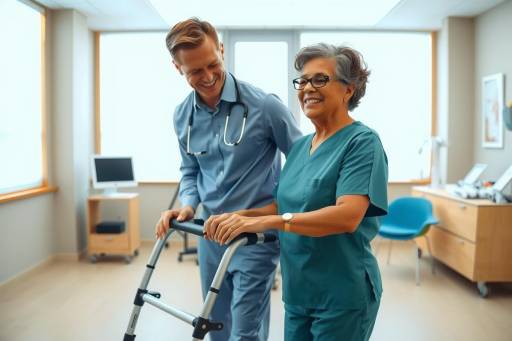
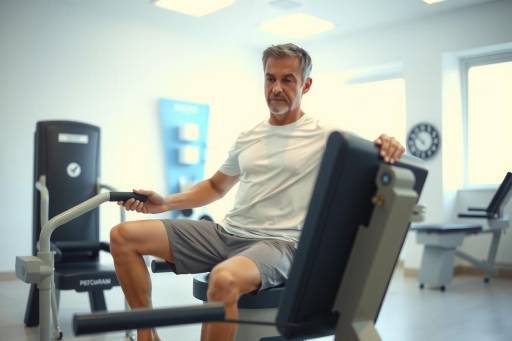
Weight-bearing activities typically begin soon after surgery, progressing from partial to full weight-bearing as tolerated, often within the first 4 to 6 weeks. Quadriceps strengthening and gentle knee bending exercises are introduced early to enhance mobility and prevent stiffness.
By 3 months post-op, many patients can walk independently without assistive devices and perform activities of daily living with improved comfort. Full functional recovery, including return to higher-level activities, may take 6 months to a year depending on individual factors.
Physiotherapists can use milestones such as achieving 90 degrees knee flexion by 2 to 4 weeks, walking unaided by 6 weeks, and improved muscle strength by 3 months to guide therapy intensity and progression. Adjusting therapy plans based on these benchmarks helps avoid setbacks and encourages steady improvement.
Effective Communication Strategies for Patients Returning from Turkey with Different Post-Op Protocols
Patients who undergo knee replacement surgery abroad may encounter unfamiliar post-operative instructions or cultural differences in care approaches, which can cause confusion during rehabilitation in Canada. Physiotherapists should prioritize clear, empathetic communication to bridge these gaps.
Using simple, jargon-free language and confirming patient understanding through techniques like teach-back ensures patients follow their rehabilitation instructions correctly. Providing written materials that summarize key exercises, precautions, and signs of complications supports ongoing adherence.
Acknowledging and respecting cultural perspectives on pain and recovery helps build rapport and trust. Physiotherapists should also clarify any differences between Turkish post-op protocols and Canadian rehabilitation standards, explaining why certain approaches are adjusted locally.
Encouraging patients to share their concerns and experiences about surgery and recovery abroad allows therapists to address misconceptions and set realistic expectations. This open dialogue promotes patient engagement, adherence, and ultimately better outcomes during the rehabilitation journey.
Common Challenges and How Physiotherapists Can Support Patients During Recovery
Patients recovering from knee replacement surgery abroad often face common challenges such as swelling, stiffness, pain, and occasional mobility limitations that physiotherapists should anticipate and manage proactively.
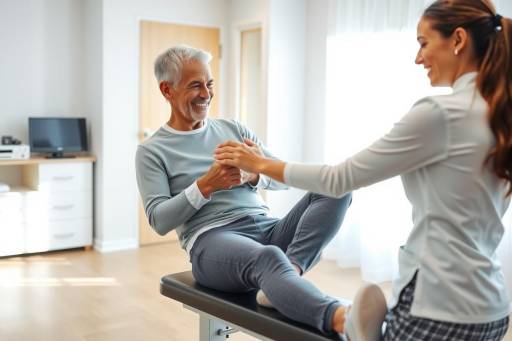
Swelling can impede motion and delay rehabilitation milestones. Physiotherapists can use elevation, compression, and manual lymphatic drainage techniques to reduce edema effectively. Stiffness is often addressed through guided range of motion exercises and joint mobilizations to maintain or improve knee flexibility.
Pain management requires balancing activity progression with adequate rest and may involve coordination with physicians for appropriate analgesics. Educating patients on pain versus potential complications helps reduce anxiety and encourages active participation in therapy.
Psychological factors such as fear of movement or uncertainty about recovery can also hinder progress. Providing encouragement, setting achievable goals, and involving family support contribute to patient comfort and motivation. Early identification and intervention for these common issues optimize functional outcomes and patient satisfaction.
Integrating Telehealth and Remote Support in Post-Operative Rehabilitation
Telehealth offers valuable opportunities for physiotherapists to extend care beyond the clinic, especially for patients returning from knee replacement surgery abroad. Remote monitoring and virtual therapy sessions ensure continuity and flexibility in rehabilitation.
Through video consultations, therapists can assess patient progress, demonstrate exercises, and adjust treatment plans without requiring frequent in-person visits. This is particularly beneficial for patients who may live far from specialized rehabilitation centers.
Telehealth platforms can also facilitate education, reminders for exercise adherence, and early identification of complications by encouraging patients to report symptoms promptly. Such digital tools empower patients to take an active role in their recovery while maintaining professional oversight.
Integrating remote support complements traditional physiotherapy, enhances access to care, and can improve recovery outcomes for international surgery patients adapting to post-op protocols from different healthcare systems.
Frequently Asked Questions
Q: What specific information should I request from the surgical team in Turkey before starting physiotherapy?
Get Support for Joint Pain and Osteoarthritis
Answer a few short questions and HealthNode will help you connect with the right orthopedics, physical therapy, or joint care specialist.
Pain and Daily Life
This helps us understand how much the joint problem affects your movement and daily activities.
Previous Diagnosis or Treatment
Tell us what has already been checked or tried so we can route you to the right care option.
Contact information
Your information is only used to contact you and is never shared with third parties.
Your request has been received!
Thank you. If you have X-ray, MRI, blood test results, previous diagnosis notes, medication history, injection records, physical therapy notes, or previous surgery records, please keep them ready. A HealthNode consultant will guide you through the next step.
A: Request detailed surgical reports including implant type, any intraoperative findings, complications, and comprehensive post-operative instructions. This information allows you to tailor the rehabilitation plan appropriately and ensures safe progression.
Q: How can I assess if a patient is progressing well after returning from Turkey?
A: Monitor key functional milestones such as range of motion, pain levels, muscle strength, and walking ability. Regularly evaluate adherence to prescribed exercises and adjust therapy based on these observations to promote optimal recovery.
Q: What are common complications I should watch for in patients post-knee replacement?
A: Be vigilant for signs of infection, persistent swelling, joint stiffness, and unusual or increasing pain. Promptly coordinate with medical providers if these symptoms occur to address potential complications early.
Q: How can I effectively communicate post-op care instructions to patients who traveled abroad?
A: Use clear and simple language supplemented with written instructions to enhance patient understanding. Employ teach-back methods to confirm comprehension and encourage patients to ask questions about their care.
Q: Are there specific exercises I should prioritize in early rehabilitation?
A: Focus initially on gentle range of motion exercises, quadriceps muscle activation, and gradual weight-bearing activities as tolerated. These support mobility restoration while minimizing the risk of complications.
Q: What role can telehealth play in supporting recovery for these patients?
A: Telehealth enables ongoing patient monitoring, education, and therapy adjustments remotely. It ensures continuous support, especially for patients who may have limited access to in-person care after returning home.
The information provided is for educational purposes only and does not constitute medical advice. Always consult with a healthcare professional for medical guidance specific to your situation.