Quick Answer
Manipulation under anesthesia (MUA) after knee replacement is a procedure used to improve knee stiffness by gently loosening the joint while the patient is sedated. It is typically performed within 6 to 12 weeks after surgery when stiffness persists despite physical therapy.
- MUA helps break down scar tissue and adhesions that restrict knee mobility after replacement surgery.
- The procedure is performed under general or regional anesthesia to ensure the patient is pain-free during manipulation.
- Early intervention with MUA is more effective because scar tissue is less mature and easier to loosen.
- Risks of MUA include minor injuries such as fractures or ligament damage, but these are low when done by experienced surgeons.
- Recovery after MUA involves physical therapy to maintain improved range of motion and prevent stiffness from returning.
- MUA is considered when stiffness significantly limits daily activities and does not improve with conservative treatments.
- Alternative treatments before MUA include intensified physical therapy, anti-inflammatory medications, corticosteroid injections, and continuous passive motion machines.
What Is Manipulation Under Anesthesia After Knee Replacement and Why Is It Used for Stiffness?
Manipulation under anesthesia (MUA) is a specialized medical procedure utilized after knee replacement surgery to address significant stiffness that limits knee mobility and hinders recovery. When stiffness persists despite diligent physical therapy and rehabilitation efforts, MUA can help restore range of motion by gently loosening the knee joint while you are sedated and pain-free. This procedure is typically recommended within the early months following surgery to improve knee function, reduce discomfort, and enhance overall quality of life.
Knee replacement surgery aims to relieve chronic pain and restore function in patients with severe joint damage or arthritis. However, some patients experience postoperative stiffness that can delay or limit their recovery. This stiffness may result from the formation of scar tissue, inflammation, or limited early movement due to pain or swelling. Without adequate intervention, stiffness can become chronic and impair daily activities.
MUA offers a controlled and safe method to break up stiffness under anesthesia, allowing your surgeon to reposition the joint and stretch tight tissues without causing pain. By performing the manipulation while you are sedated, the procedure minimizes discomfort and muscle resistance, facilitating improved knee motion.
Get Support for Joint Pain and Osteoarthritis
Answer a few short questions and HealthNode will help you connect with the right orthopedics, physical therapy, or joint care specialist.
Pain and Daily Life
This helps us understand how much the joint problem affects your movement and daily activities.
Previous Diagnosis or Treatment
Tell us what has already been checked or tried so we can route you to the right care option.
Contact information
Your information is only used to contact you and is never shared with third parties.
Your request has been received!
Thank you. If you have X-ray, MRI, blood test results, previous diagnosis notes, medication history, injection records, physical therapy notes, or previous surgery records, please keep them ready. A HealthNode consultant will guide you through the next step.
Understanding the underlying reasons for stiffness, the details of the MUA procedure, and the potential benefits and risks involved helps patients make informed decisions about their care. Additionally, knowing what to expect during recovery and being aware of alternative treatment options can support your rehabilitation journey effectively and promote better outcomes.
Being well-informed enables you to collaborate with your healthcare team to choose the most appropriate interventions tailored to your individual needs and recovery goals.
Reasons for Knee Stiffness After Replacement and How MUA Can Help
Knee stiffness after replacement surgery occurs when the joint loses its normal flexibility, making it difficult to bend or straighten the knee fully. This stiffness is often caused by scar tissue buildup, inflammation, or improper joint healing following surgery. Scar tissue, also known as adhesions, can form as part of the body’s natural healing process but may become excessive, restricting movement. Inflammation around the joint can further contribute to tightness and discomfort.
Sometimes, patients may also experience pain or swelling that limits their willingness or ability to move the knee during early recovery, which can worsen stiffness. Reduced movement can lead to muscle weakness and joint stiffness, creating a cycle that impedes rehabilitation progress.
Manipulation under anesthesia (MUA) helps by gently moving the knee through its range of motion while you are under sedation. This controlled movement helps break down scar tissue and adhesions that restrict joint mobility. The procedure enables the knee to regain flexibility and reduces discomfort that might be caused by tight tissues. Because you are sedated during MUA, the manipulation can be performed more effectively without pain or muscle guarding.
MUA is usually considered when stiffness persists despite diligent physical therapy and other conservative treatments such as anti-inflammatory medications or injections. By restoring motion early, it can prevent long-term joint stiffness and improve your ability to perform daily activities such as walking, climbing stairs, and sitting comfortably.
However, it is important to have this procedure performed by an experienced orthopedic surgeon who can tailor the manipulation safely to your condition. The surgeon will assess your individual situation, including the severity of stiffness and overall health, to determine if MUA is appropriate. Proper patient selection and technique are key to minimizing risks and maximizing benefits.
Understanding the causes of stiffness and how MUA can help empowers you to participate actively in your recovery and rehabilitation plan.
The MUA Procedure: What Patients Can Expect During Manipulation Under Anesthesia
Manipulation under anesthesia (MUA) is typically performed in a hospital or outpatient surgical center under general or regional anesthesia, ensuring that you are fully sedated and pain-free throughout the procedure. Prior to MUA, your medical team will carefully review your health history, current medications, and any potential anesthesia risks to prepare you for a safe and effective procedure.
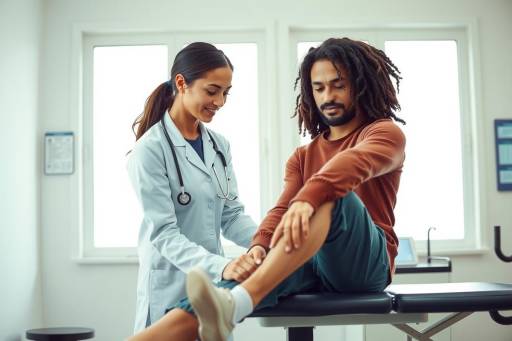
During the manipulation, your orthopedic surgeon will gently but firmly move your knee through specific ranges of motion to loosen tight tissues and break up scar tissue that is restricting movement. This controlled manipulation targets adhesions and fibrous tissue that have formed after surgery, which can limit knee flexibility. The surgeon applies measured force to improve motion without causing damage to the joint surfaces, ligaments, or the implanted prosthetic components.
The procedure usually lasts between 15 to 30 minutes, depending on the severity of stiffness and individual patient factors. Because you are under anesthesia, you will not feel pain or discomfort during the manipulation. The goal is to achieve a significant improvement in knee bending and straightening immediately during the procedure.
After the manipulation, you will be monitored in a recovery area as the anesthesia wears off. Nurses and medical staff will observe your vital signs and assess your comfort. It is common to experience some temporary soreness, swelling, or mild bruising around the knee, which can be managed with prescribed pain medications, ice application, and elevation.
Early initiation of physical therapy following MUA is essential to maintain the improved range of motion achieved during the procedure. Your physical therapist will guide you through exercises designed to sustain flexibility and prevent the reformation of scar tissue. Prompt rehabilitation helps maximize the benefits of MUA and reduces the risk of stiffness returning.
Understanding the procedure and what to expect can help reduce anxiety and prepare you for the recovery process. It is important to follow your surgeon’s and therapist’s instructions closely to optimize your outcomes and regain knee function effectively.
Risks, Benefits, and Timing of Manipulation Under Anesthesia After Knee Replacement
Manipulation under anesthesia (MUA) offers several important benefits for patients experiencing knee stiffness after replacement surgery. Its primary advantage is the improvement of knee range of motion, which can significantly enhance your ability to walk, climb stairs, and perform daily activities with less discomfort. By reducing joint tightness and breaking down scar tissue, MUA helps restore function and can alleviate pain associated with stiffness.
Early intervention with MUA is often associated with better outcomes. Surgeons typically recommend performing the procedure within 6 to 12 weeks after knee replacement if stiffness is not improving despite physical therapy. This timing is critical because scar tissue is less mature and more responsive to manipulation during this period, increasing the likelihood of successful restoration of motion.
However, like any medical procedure, MUA carries some risks that should be carefully considered. Potential complications include minor injuries such as fractures, ligament tears, or damage to the prosthetic joint components. Although these risks are relatively low when the procedure is performed by experienced orthopedic surgeons, they underscore the importance of a thorough evaluation and careful technique.
The timing of MUA is crucial because performing it too late after surgery may reduce its effectiveness. Scar tissue becomes more fibrous and mature over time, making it harder to break down through manipulation. Delayed intervention may necessitate more invasive treatments, such as revision surgery, which carry higher risks and longer recovery times.
Your surgeon will assess your progress in physical therapy, the degree of stiffness, and overall knee function to determine the optimal window for MUA. This individualized approach helps maximize benefits while minimizing risks. In some cases, if stiffness is severe or accompanied by other complications, alternative treatments may be considered.
Understanding both the benefits and risks of MUA, as well as the importance of timing, empowers you to participate actively in decisions about your care. Close communication with your healthcare team ensures that the procedure is performed at the most appropriate time to support your recovery goals.
Recovery and Rehabilitation After Manipulation Under Anesthesia
Recovery following manipulation under anesthesia (MUA) focuses on maintaining the improved knee motion gained during the procedure to ensure long-term benefits. Early mobilization is critical because it helps prevent the reformation of scar tissue, which is a common cause of stiffness after knee replacement surgery. Physical therapy plays a vital role in this phase, as it not only helps maintain flexibility but also strengthens the muscles surrounding the knee joint, which supports stability and function.
Initially, you can expect some soreness, swelling, and mild discomfort around the knee. These symptoms are normal and typically manageable with prescribed pain medications, the application of ice packs, and elevating the leg to reduce inflammation. Your physical therapist will design a personalized exercise program that includes gentle stretching and strengthening exercises tailored to your progress and tolerance levels. This program is essential to sustain the gains in flexibility achieved during MUA and to prevent the knee from becoming stiff again.
Compliance with your rehabilitation plan is crucial; skipping therapy sessions or not performing exercises as instructed can compromise recovery and reduce the overall success of the procedure. Activity restrictions may be recommended temporarily to avoid placing excessive stress on the healing tissues. For example, high-impact activities or heavy lifting might be limited initially.
Most patients gradually resume normal daily activities as their mobility improves, often within a few weeks. However, the timeline can vary depending on individual factors such as age, overall health, and the severity of stiffness prior to MUA. Regular follow-up appointments with your orthopedic surgeon are important to monitor your knee’s progress, address any concerns, and detect complications early, such as excessive swelling or signs of infection.
With proper rehabilitation and adherence to medical advice, many patients experience significant improvements in knee function, reduced pain, and enhanced quality of life after MUA. It is important to have realistic expectations and understand that recovery is a gradual process requiring patience and commitment.
When to Consider MUA for Knee Stiffness and Alternatives to Surgery
If you experience persistent knee stiffness after replacement surgery despite completing physical therapy, your orthopedic surgeon may recommend manipulation under anesthesia (MUA) as a next step. Indications for considering MUA include difficulty bending or straightening the knee to a functional degree, stiffness that significantly interferes with walking, climbing stairs, or performing daily tasks, and stiffness that persists beyond the typical recovery period, often several weeks to months after surgery.
Get Support for Joint Pain and Osteoarthritis
Answer a few short questions and HealthNode will help you connect with the right orthopedics, physical therapy, or joint care specialist.
Pain and Daily Life
This helps us understand how much the joint problem affects your movement and daily activities.
Previous Diagnosis or Treatment
Tell us what has already been checked or tried so we can route you to the right care option.
Contact information
Your information is only used to contact you and is never shared with third parties.
Your request has been received!
Thank you. If you have X-ray, MRI, blood test results, previous diagnosis notes, medication history, injection records, physical therapy notes, or previous surgery records, please keep them ready. A HealthNode consultant will guide you through the next step.
Before proceeding with MUA, your surgeon will conduct a thorough evaluation of your overall health status, the extent of knee stiffness, and your progress with rehabilitation efforts. This assessment helps determine whether MUA is the most appropriate intervention or if additional conservative treatments should be attempted first. In some cases, intensified physical therapy focusing on targeted stretching and strengthening exercises may be recommended to improve motion gradually.
Other non-surgical options might include the use of anti-inflammatory medications to reduce swelling and pain, or corticosteroid injections to address inflammation within the joint. Some patients may benefit from supervised stretching programs or the use of continuous passive motion (CPM) machines, which gently move the knee joint through a controlled range of motion to prevent stiffness.
However, when these conservative approaches fail to produce sufficient improvement in knee flexibility and function, MUA remains a valuable and less invasive option compared to revision surgery. It offers the opportunity to regain knee motion and reduce discomfort without the risks and recovery time associated with additional surgical procedures.
Deciding on MUA involves weighing the potential benefits against the risks and considering factors such as your overall health, the timing since your knee replacement, and your ability to participate in post-procedure rehabilitation. Open communication with your orthopedic surgeon about your symptoms, goals, and concerns is essential to making an informed decision that aligns with your individual needs.
Frequently Asked Questions
Q: How soon after knee replacement can MUA be performed?
A: Manipulation under anesthesia is generally performed within 6 to 12 weeks after knee replacement surgery. Early intervention during this period is most effective at improving stiffness before scar tissue becomes too rigid.
Q: Is manipulation under anesthesia a painful procedure?
A: You will be under sedation or anesthesia during the procedure, so you will not feel pain while the knee is manipulated. Some soreness or discomfort may occur afterward, which can be managed with pain medications and physical therapy.
Q: What are the risks associated with MUA after knee replacement?
A: Risks include minor injuries such as fractures, ligament damage, or issues with the knee implant. These risks are low when MUA is performed by an experienced surgeon but should be discussed before the procedure.
Q: Can physical therapy alone resolve stiffness without MUA?
A: Physical therapy is the first-line treatment for post-surgical stiffness and can be effective for many patients. However, if stiffness persists despite therapy, MUA may be recommended to regain better knee mobility.
Q: How long does recovery take after manipulation under anesthesia?
A: Recovery involves ongoing physical therapy and can last several weeks as you work to maintain improved knee motion. Most patients gradually return to normal activities within a few months with proper rehabilitation.
The information provided is for educational purposes only and does not constitute medical advice. Always consult with a healthcare professional for medical guidance specific to your situation.