Quick Answer
Sexual activity can generally be resumed about 4 to 6 weeks after knee replacement surgery, depending on individual recovery and surgeon guidance. It is important to prioritize comfort, avoid positions that strain the knee, and consult your healthcare provider for personalized advice.
- Most patients consider resuming sexual activity around 4 to 6 weeks post-surgery when initial pain and swelling have decreased.
- Individual recovery varies widely based on factors like age, health, and rehabilitation adherence.
- Safe sexual positions minimize pressure on the knee and avoid deep bending or twisting to prevent discomfort and injury.
- Open communication with your healthcare provider helps tailor advice on timing, safe positions, and signs of complications.
- Physical therapy supports improved knee strength, flexibility, and confidence needed for comfortable intimacy.
- Pain or discomfort during sexual activity should prompt stopping and consulting a healthcare provider.
- Gradual progression, patience, and listening to your body are essential for a safe and satisfying return to sexual activity after knee replacement.
When Can You Resume Sexual Activity After Knee Replacement?
You can generally consider resuming sexual activity about 4 to 6 weeks after knee replacement surgery, although this depends on your individual recovery progress and your surgeon’s advice. During this period, your knee will have started healing sufficiently to tolerate gentle movement and positioning without causing undue strain or pain. However, every patient’s recovery timeline varies, so it is important to prioritize your comfort and safety above all else.
Knee replacement surgery involves replacing damaged joint surfaces with artificial components designed to restore function and reduce pain. This procedure can temporarily limit your mobility and cause discomfort as your body adjusts to the new joint. Resuming intimate activities is a common concern for patients eager to return to normal life, but it requires careful attention to healing milestones and physical limitations.
Consulting your healthcare provider ensures that you receive tailored advice based on your surgical outcome, rehabilitation status, and overall health. They can help you understand when it is safe to resume sexual activity and recommend strategies to minimize discomfort or risk.
Get Support for Joint Pain and Osteoarthritis
Answer a few short questions and HealthNode will help you connect with the right orthopedics, physical therapy, or joint care specialist.
Pain and Daily Life
This helps us understand how much the joint problem affects your movement and daily activities.
Previous Diagnosis or Treatment
Tell us what has already been checked or tried so we can route you to the right care option.
Contact information
Your information is only used to contact you and is never shared with third parties.
Your request has been received!
Thank you. If you have X-ray, MRI, blood test results, previous diagnosis notes, medication history, injection records, physical therapy notes, or previous surgery records, please keep them ready. A HealthNode consultant will guide you through the next step.
Understanding when and how to safely reintroduce sexual activity can help you regain confidence and intimacy without jeopardizing your knee’s recovery. Alongside physical therapy and gradual mobility improvements, adopting recommended precautions and maintaining open communication with your care team will support a comfortable and satisfying return to intimacy. Remember that patience and listening to your body are essential components of a successful recovery.
Recognizing the Typical Timeline for Resuming Intimate Activities
Most patients begin to think about resuming sexual activity around 4 to 6 weeks after knee replacement surgery. By this point, the initial postoperative pain and swelling have usually decreased significantly, and basic mobility milestones such as walking with assistance or using a cane are often achieved. This timeline corresponds with the body's natural healing process, during which soft tissues repair and the knee joint starts to regain stability and function.
Individual recovery varies widely based on factors such as age, overall health, surgical technique, and adherence to rehabilitation protocols. Some patients may feel ready to resume intimacy sooner, while others may require more time to regain strength, reduce discomfort, and improve range of motion. Pain levels and improvements in knee flexibility are key indicators that help determine readiness.
Resuming sexual activity too early or without appropriate caution can increase pain, swelling, or stress on the joint, potentially delaying recovery or causing complications. It is important to wait until you can perform daily activities with minimal pain and can bend and straighten your knee without sharp discomfort. Your surgeon or physical therapist can help assess your readiness and provide personalized guidance based on your progress and any complications during recovery.
Listening to your body and progressing gradually will help ensure a safe and comfortable return to intimacy. Remember that recovery is a process, and taking the necessary time to heal fully will contribute to better long-term outcomes and quality of life.
Safe Positions and Precautions to Minimize Discomfort
When you resume sexual activity after knee replacement surgery, selecting positions that minimize pressure on your knee and avoid excessive bending is crucial to prevent discomfort and protect the healing joint. Positions that keep your leg extended or well-supported reduce strain and help avoid pain or injury.
For example, lying on your back with your leg supported on pillows can keep the knee in a neutral, comfortable position. Sitting side-by-side with your partner allows you to control movement and avoid putting weight on the operated leg. These positions help maintain stability and reduce the risk of overstressing the joint.
Avoid positions that require deep knee bending, twisting motions, or bearing your full body weight on the operated leg until your knee has regained sufficient strength and flexibility. Such movements can place undue stress on the healing tissues and increase the risk of pain or injury.
Using cushions or supports to stabilize your body and maintain proper alignment during intimacy can further enhance comfort and safety. These aids help distribute pressure evenly and prevent awkward angles that might strain your knee.
It is important to communicate openly with your partner about any discomfort and to proceed slowly, allowing your body to signal its limits. If you experience pain, stop immediately and adjust your position or take a break. Combining these precautions with your ongoing rehabilitation exercises promotes safer, more enjoyable intimacy during your recovery journey.
Communicating with Your Healthcare Provider About Resuming Sexual Activity
Discussing your plans and concerns about resuming sexual activity with your healthcare provider is an important step in your recovery process. Your surgeon or physical therapist can provide individualized advice based on your surgical outcome, current mobility, pain levels, and overall health status. This personalized guidance helps ensure that you resume intimacy safely and at an appropriate time.
Your healthcare provider can address specific questions about safe timing to resume sexual activity, recommended positions that minimize strain on your knee, and signs of complications to watch for, such as increased swelling, pain, or instability. Understanding these factors helps you set realistic expectations and reduces anxiety about returning to intimacy.
Open communication also allows your provider to tailor your rehabilitation plan to your needs and adjust it if you experience difficulties. If you notice ongoing pain, swelling, or instability during or after sexual activity, it is important to report these symptoms promptly. Your provider can then evaluate whether modifications to your therapy or further medical assessment are necessary.
Never hesitate to bring up sensitive topics related to sexual health; your care team is there to support your overall well-being, including your intimate relationships. Being honest and proactive in these discussions contributes to a smoother recovery and helps you regain confidence in your body’s capabilities.
Physical Therapy and Exercises to Support Comfortable Movement During Intimacy
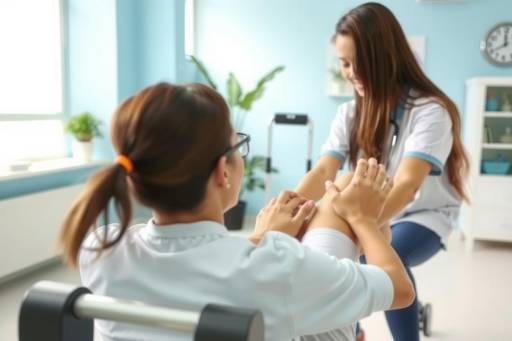
Continuing physical therapy after knee replacement plays a central role in regaining the mobility and confidence needed for comfortable sexual activity. Your therapist will guide you through a series of exercises designed to improve knee strength, flexibility, and endurance, which are all essential for safe and pain-free movement during intimacy. These exercises are tailored to your individual progress and may be adjusted as you regain function.
Targeted exercises help reduce stiffness and increase your knee's range of motion, making it easier to find positions that do not cause pain or discomfort. Improved flexibility allows you to move more freely, while strengthening the muscles surrounding the knee joint provides better support and stability. This enhanced stability can increase your sense of security during movement, reducing the fear of injury or discomfort.
Incorporating low-impact activities such as gentle stretching, leg lifts, and balance exercises into your daily routine supports gradual progress without overloading the healing joint. These activities also promote circulation and reduce swelling, which can further ease discomfort. As your knee function improves, you will likely find it easier to engage in intimacy without fear of pain or injury, contributing to a fuller and more satisfying recovery experience.
It is important to follow your physical therapist’s recommendations closely and communicate any new or worsening symptoms. Overexertion or improper technique could delay healing or cause setbacks, so pacing yourself and listening to your body is crucial. Remember that recovery is a gradual process, and consistent physical therapy is key to restoring comfortable movement during sexual activity and other daily tasks.
Common Concerns and How to Address Them During Recovery
Pain, stiffness, and fear of damaging your new knee are common worries when considering resuming sexual activity after knee replacement surgery. These concerns are natural and understandable, but they can be effectively managed with proper strategies and guidance.
If you experience pain during intimacy, it is important to stop the activity and rest to prevent further injury. Using over-the-counter pain relievers as recommended by your healthcare provider and applying ice to reduce swelling can help alleviate discomfort. However, if pain persists or worsens, it should be evaluated by your healthcare provider to rule out complications such as infection or joint instability.
Stiffness in the knee can be addressed through regular physical therapy sessions and gentle stretching exercises aimed at maintaining and improving flexibility. Consistent movement within your comfort zone promotes healing and reduces the risk of joint stiffness that could interfere with intimacy.
Building your confidence gradually is key to overcoming anxiety related to resuming sexual activity. Starting with less demanding positions that place minimal stress on the knee and maintaining open communication with your partner about comfort levels can help ease tension. Remember that healing takes time, and pacing yourself according to your body’s signals is essential for a safe and comfortable return to intimacy.
If emotional concerns or anxiety persist, consider discussing them with your healthcare provider or a counselor, as psychological well-being plays an important role in recovery and sexual health.
Get Support for Joint Pain and Osteoarthritis
Answer a few short questions and HealthNode will help you connect with the right orthopedics, physical therapy, or joint care specialist.
Pain and Daily Life
This helps us understand how much the joint problem affects your movement and daily activities.
Previous Diagnosis or Treatment
Tell us what has already been checked or tried so we can route you to the right care option.
Contact information
Your information is only used to contact you and is never shared with third parties.
Your request has been received!
Thank you. If you have X-ray, MRI, blood test results, previous diagnosis notes, medication history, injection records, physical therapy notes, or previous surgery records, please keep them ready. A HealthNode consultant will guide you through the next step.
Frequently Asked Questions
Q: When is it generally safe to have sex after knee replacement?
A: Most patients can consider resuming sexual activity around 4 to 6 weeks after surgery, but this varies based on individual recovery and surgeon advice.
Q: Are there specific positions I should avoid during intimacy?
A: Yes, positions that put strain on the knee or require deep bending should be avoided until fully healed. Consult your healthcare provider for personalized recommendations.
Q: Can sexual activity cause damage to my new knee?
A: When recovery milestones are met and precautions are followed, sexual activity is unlikely to cause damage. Always listen to your body and consult your doctor with concerns.
Q: What if I experience pain during intimacy?
A: Stop activity immediately and discuss your symptoms with your healthcare provider to rule out complications and receive appropriate guidance.
Q: How can I regain confidence in my knee's stability for intimacy?
A: Engaging in prescribed physical therapy and gradually increasing activity levels can help restore confidence and mobility.
Q: Should I wait until I complete physical therapy before resuming sex?
A: Not necessarily, but it’s important to ensure your mobility and comfort are sufficient. Consult your healthcare team for personalized advice.
The information provided is for educational purposes only and does not constitute medical advice. Always consult with a healthcare professional for medical guidance specific to your situation.