Quick Answer
LASIK eye surgery permanently reshapes the cornea and cannot be fully reversed once performed. However, additional treatments like LASIK enhancements or PRK can help address residual vision issues.
- LASIK permanently alters the corneal shape by removing tissue, making the procedure irreversible.
- The original corneal shape cannot be restored after LASIK, but vision can be improved with supplementary procedures.
- LASIK enhancements and PRK are common options to correct residual refractive errors after the initial surgery.
- Other corrective methods include implantable lenses and the use of glasses or contact lenses.
- Candidates for LASIK must be carefully evaluated for corneal thickness, eye health, and visual needs before surgery.
- Risks of LASIK include dry eyes, glare, halos, and complications related to the corneal flap.
- Consulting an eye care professional is essential to understand the risks, benefits, and possible corrective options post-LASIK.
Can LASIK Eye Surgery Be Reversed After The Cornea Has Been Reshaped?
LASIK eye surgery permanently reshapes the cornea to correct vision, and it cannot be fully reversed once performed. This permanent alteration means that while the original corneal shape cannot be restored, there are options to address residual vision issues or dissatisfaction with outcomes through additional treatments or enhancements. Understanding this permanence is fundamental to making an informed choice about undergoing LASIK.
The cornea’s reshaping changes how light enters your eye, improving focus and reducing dependence on glasses or contact lenses. Because this change is structural and irreversible, it is important to understand what LASIK entails before deciding on the procedure. Knowing the permanence and potential corrective measures can help you set realistic expectations and make an informed choice about your vision care.
If you are considering LASIK, or if you have already undergone the procedure and have questions about reversing or modifying your vision correction, it is essential to explore what options exist and what factors influence them. These factors include your overall eye health, corneal thickness, healing response, and any changes in your vision since surgery. This knowledge will empower you to manage your eye health effectively and know when to seek professional advice.
Get expert support for your treatment
Let our coordination team prepare a personalized plan for you.
Contact information
Your information is only used to contact you and is never shared with third parties.
Your request has been received!
Your request has been received! Our coordination team will contact you as soon as possible.
Being well-informed about the irreversible nature of LASIK and the available strategies for managing your vision post-surgery can help you navigate your vision correction journey with confidence and clarity. It also emphasizes the importance of thorough preoperative evaluation and ongoing care to achieve the best possible outcomes.
The Permanence of LASIK Eye Surgery and Its Implications
LASIK surgery permanently reshapes the cornea by removing precise amounts of corneal tissue to improve vision. This tissue removal changes the curvature of the cornea, which alters how light rays are focused onto the retina. Because the corneal tissue is physically removed, the original shape cannot be restored, making LASIK an irreversible procedure.
This permanence means that any changes made during LASIK are intended to last a lifetime, though natural changes in vision may still occur over time due to aging or other factors such as cataract development or changes in the lens inside the eye. The durability of vision correction from LASIK is generally excellent, but some patients may experience minor regression or residual refractive errors that could require additional treatment or corrective lenses.
Understanding the permanent nature of corneal reshaping is crucial for anyone considering LASIK. It highlights why candidates must be carefully evaluated for suitability, including assessments of corneal thickness, eye health, and visual needs. Surgical planning aims for precise, long-lasting results to minimize the need for future enhancements.
Since the cornea cannot be reshaped back to its exact pre-surgery form, any future vision changes require alternative corrective approaches rather than reversal of the original surgery. These may include enhancement procedures, lens-based surgeries, or the use of glasses or contact lenses. Being aware of this permanence helps patients set realistic expectations and make informed decisions about their vision care.
Possible Options for Correcting or Reversing LASIK Outcomes
Although LASIK itself cannot be reversed, there are several options available to improve or adjust your vision if you are unhappy with the initial results. One common approach is LASIK enhancement, a supplementary procedure that further refines the corneal shape to correct residual refractive errors such as nearsightedness, farsightedness, or astigmatism. Enhancements are typically considered when the cornea has sufficiently healed and retains adequate thickness to safely undergo additional laser treatment.
Photorefractive keratectomy (PRK) is another option used after LASIK. PRK involves removing the outer layer of the cornea and then reshaping the underlying tissue with a laser. It can be a suitable alternative for patients who cannot undergo additional LASIK due to thin corneas or other factors. PRK has a longer healing period compared to LASIK enhancements but can effectively address residual vision problems.
In some cases, other refractive surgeries or vision correction methods, including implantable lenses or corrective eyewear, may be recommended. Implantable lenses can provide an option for patients with significant residual errors or those who are not candidates for further corneal surgery. Corrective eyewear remains a non-invasive and flexible solution for managing vision changes.
The choice of corrective strategy depends on your overall eye health, the degree of residual refractive error, and individual circumstances such as lifestyle and personal preferences. Consulting a qualified eye specialist can help you understand the risks, benefits, and expected outcomes of each option, allowing you to make an informed decision tailored to your needs. It is also important to consider factors such as recovery time, potential side effects, and long-term implications when evaluating these options.
Risks and Considerations Before Undergoing LASIK
Before deciding on LASIK, it is important to consider that the procedure permanently changes the structure of your cornea. You should have realistic expectations about the outcomes and understand that while many patients experience significant vision improvement, perfect vision is not guaranteed. Some patients may still require glasses or contact lenses for certain activities after surgery.
Risks associated with LASIK include dry eyes, glare, halos, and potential complications related to the corneal flap created during surgery. These side effects can vary in severity and duration, with some resolving over time and others potentially persisting. Although serious complications are rare, they can have lasting effects on vision and eye comfort.
Evaluating your corneal health and thickness is essential because insufficient corneal tissue can increase the risk of complications or limit your eligibility for LASIK. Other factors such as pre-existing eye conditions, autoimmune diseases, or unstable vision prescriptions may also influence your candidacy. A comprehensive consultation with an ophthalmologist will help determine if LASIK is safe and suitable for you.
This evaluation helps identify any pre-existing eye conditions or risk factors that might affect your results or candidacy. Being fully informed enables you to weigh the benefits against the risks and make a confident decision about your vision care. It is also important to discuss your lifestyle, visual needs, and expectations with your surgeon to ensure that LASIK aligns with your goals and circumstances.
Future Vision Correction Strategies for Post-LASIK Patients
Advancements in vision correction continue to provide new opportunities for patients who have undergone LASIK. Emerging technologies and procedures may offer improved precision, safety, and outcomes for addressing residual or new vision issues in post-LASIK eyes. For example, innovations in laser technology now allow for more customized treatments that take into account the unique shape and characteristics of each patient’s cornea.
Techniques such as topography-guided treatments tailor laser reshaping to the unique contours of your cornea, potentially enhancing visual quality beyond standard procedures. These treatments can address irregularities that standard LASIK might not fully correct, improving clarity and reducing visual aberrations. Additionally, new laser platforms and robotic-assisted systems improve accuracy and reduce healing times, which may lead to faster recovery and better patient comfort.
For some patients, implantable lenses or other non-laser options may provide alternatives when further corneal surgery is not advisable due to thin corneas or other risk factors. These lenses can be placed inside the eye to correct refractive errors without altering the corneal structure. Ongoing research also explores regenerative approaches that could one day modify corneal tissue in novel ways, potentially offering less invasive options for vision correction.
Staying informed about these innovations and maintaining regular eye evaluations can help you access the best possible care over time. Regular check-ups allow your eye care professional to monitor changes in your vision and recommend appropriate interventions as new technologies become available. This proactive approach helps ensure that your vision correction remains effective and safe throughout your lifetime.
Consulting with an Eye Care Professional About LASIK Reversibility
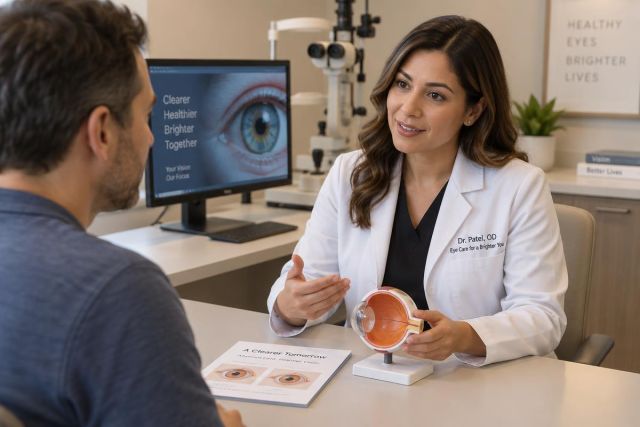
If you have concerns about LASIK reversibility or dissatisfaction with your vision after surgery, consulting a qualified eye care professional is essential. An ophthalmologist or optometrist can evaluate your eye health, measure your current vision, and discuss possible corrective options tailored to your needs. This consultation provides an opportunity to review your surgical history and assess how your eyes have responded to the initial LASIK procedure. Factors such as corneal thickness, healing progress, and any complications like dry eyes or visual disturbances will be carefully examined to determine the safest and most effective approach moving forward.
During your consultation, the specialist will explain the realistic outcomes of enhancement procedures or alternative treatments, helping you understand the potential benefits and risks involved. They can also discuss patient expectations, recovery timelines, and the likelihood of achieving your desired visual outcome. This personalized guidance is important because every patient’s eyes and vision needs are unique, and what works for one person may not be suitable for another.
Seeking professional advice ensures that you receive recommendations based on the latest clinical knowledge and technology, which can help you avoid unnecessary risks or ineffective treatments. Additionally, an eye care professional can monitor your overall eye health, detect any new issues early, and provide ongoing support throughout your vision correction journey. This comprehensive approach supports informed decision-making and helps you maintain optimal eye health in the long term.
Get expert support for your treatment
Let our coordination team prepare a personalized plan for you.
Contact information
Your information is only used to contact you and is never shared with third parties.
Your request has been received!
Your request has been received! Our coordination team will contact you as soon as possible.
Frequently Asked Questions
Q: Can LASIK eye surgery be completely reversed?
A: LASIK permanently reshapes the cornea, and there is no standard procedure to fully reverse the effects. However, enhancements or additional surgeries can sometimes improve or modify the results.
Q: What options are available if I am unhappy with my LASIK results?
A: Options include LASIK enhancements, PRK (photorefractive keratectomy), or other refractive procedures performed by an eye specialist.
Q: Is it possible to correct LASIK side effects or complications?
A: Yes, some side effects or complications can be addressed with additional treatments or procedures, but it depends on the specific issue and individual circumstances.
Q: How do I know if I am a good candidate for LASIK?
A: A comprehensive eye examination by an ophthalmologist can determine if your corneal thickness, eye health, and vision needs make you suitable for LASIK.
Q: What should I consider before choosing LASIK surgery?
A: Consider the permanence of the procedure, potential risks, your eye health, and realistic expectations about the outcomes.
The information provided is for educational purposes only and does not constitute medical advice. Always consult with a healthcare professional for medical guidance specific to your situation.