Quick Answer
The final safety check before LASIK surgery involves verifying patient identity, reviewing eye measurements, calibrating surgical equipment, and confirming informed consent to ensure patient safety and surgical accuracy.
- The final safety check is essential to confirm all preoperative data matches the patient and that equipment is correctly set for the procedure.
- This step prevents errors such as operating on the wrong eye or using incorrect laser settings, directly impacting surgical success.
- The process includes verifying identity, reviewing eye measurements, calibrating the laser, and confirming informed consent.
- Advanced technology and a skilled surgical team collaborate to ensure precise customization and equipment functionality.
- Common safety concerns addressed include eye health status, laser calibration, patient consent, and correct eye marking.
- Patients are encouraged to ask questions during the safety check to ensure they understand the procedure and risks.
- The final safety check builds trust by demonstrating the surgical team's commitment to accuracy, transparency, and patient safety.
What Happens During The Final Safety Check Before LASIK Eye Surgery Begins?
The final safety check before LASIK eye surgery is a critical step designed to confirm that every detail is correct and that patient safety is fully ensured before the procedure begins. This involves a series of precise verifications including confirming your identity, reviewing your eye measurements, calibrating surgical equipment, and obtaining your informed consent. These actions help prevent errors and promote the best possible surgical outcomes.
LASIK surgery is a highly precise procedure that reshapes the cornea to correct vision problems. Because the surgery involves delicate eye tissues and advanced laser technology, a thorough safety check immediately before surgery is essential. This final check acts as a safeguard, catching any potential issues that could affect the surgery’s success or your safety.
For patients considering LASIK, understanding what happens during this final safety inspection can ease anxiety and build confidence. It highlights the medical team's commitment to accuracy and transparency, reassuring you that your well-being is the highest priority at every stage of care.
Get expert support for your treatment
Let our coordination team prepare a personalized plan for you.
Contact information
Your information is only used to contact you and is never shared with third parties.
Your request has been received!
Your request has been received! Our coordination team will contact you as soon as possible.
The Importance of the Final Safety Check in LASIK Surgery
The final safety check in LASIK surgery is vital for ensuring that the procedure proceeds smoothly and safely. This step serves to confirm that all preoperative data matches the patient and that the equipment is perfectly set for your specific eye condition.
Patient safety is the primary concern during this check. It prevents errors such as operating on the wrong eye or using incorrect laser settings. Accuracy in this phase directly affects the quality of vision correction and reduces the risk of complications.
Because LASIK involves reshaping the cornea with a laser, even minor deviations can impact the outcome. The final safety check is a fail-safe to verify that the surgeon has all the correct information and that the environment is fully controlled. This meticulous process helps maintain the high success rates associated with LASIK by minimizing preventable errors and maximizing patient care precision.
Step-by-Step Process of the Final Safety Inspection
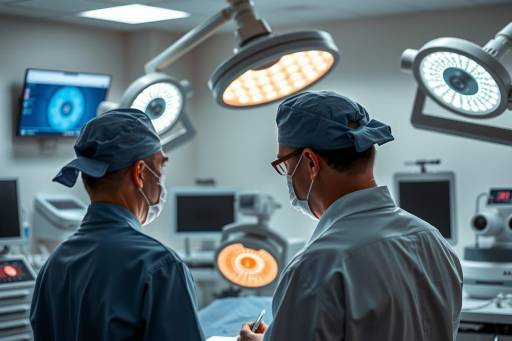
The final safety check includes several methodical steps to verify that everything is ready for your LASIK surgery. First, the surgical team confirms your identity by checking your name, date of birth, and medical records to ensure they match the procedure plan.
Next, your eye measurements are reviewed. This includes double-checking corneal thickness, pupil size, and refractive error from the preoperative tests. Any discrepancies are resolved before proceeding.
The surgical equipment, especially the laser system, undergoes calibration to confirm it matches your personalized treatment parameters. This step ensures the laser energy and focus will be accurate during surgery.
The team also confirms that you have signed informed consent forms after all your questions have been answered. This ensures you understand the procedure, risks, and expected outcomes.
This systematic verification process is designed to catch any inconsistencies or issues that could compromise safety or effectiveness before the laser is activated.
Role of Technology and Staff in Ensuring Safety
Advanced technology and a well-trained surgical team work closely together during the final safety check to ensure optimal safety. Modern LASIK systems incorporate computer-guided lasers that allow precise customization based on your unique eye measurements.
The surgical team, including your ophthalmologist and supporting staff, meticulously reviews this data and monitors the equipment calibration. Their expertise ensures that the technology functions perfectly and that the procedure is tailored specifically to your eyes.
In addition to using high-tech devices, the team follows strict protocols, including surgical checklists and cross-checks, to minimize human error. This collaboration between technology and human vigilance is key to maintaining the high standards of LASIK safety.
By combining precise instruments with expert oversight, the final safety check creates a controlled environment that significantly lowers risks and promotes consistent surgical success.
Common Safety Concerns Addressed During the Final Check
During the final safety check, several common concerns are specifically evaluated and addressed. One critical issue is confirming the overall health of your eyes, including ensuring there are no infections, inflammations, or other conditions that could affect healing.
Laser calibration is carefully reviewed to guarantee the laser’s settings correspond precisely to your treatment plan. Accurate calibration prevents errors in corneal reshaping that could lead to vision problems.
Patient consent is also reconfirmed to make sure you fully understand the procedure and have had the opportunity to ask questions. This consent process safeguards your rights and supports transparent communication.
Other concerns include verifying that the correct eye is marked for surgery and that any special patient needs or allergies have been noted. Addressing these points before starting surgery helps prevent complications and supports a smooth procedure.
Patient Preparation and What to Expect During the Final Check
Before the final safety check, you will be guided on how to prepare to ensure the process goes smoothly. This includes arriving on time, avoiding makeup or lotions around the eyes, and following any medication instructions provided.
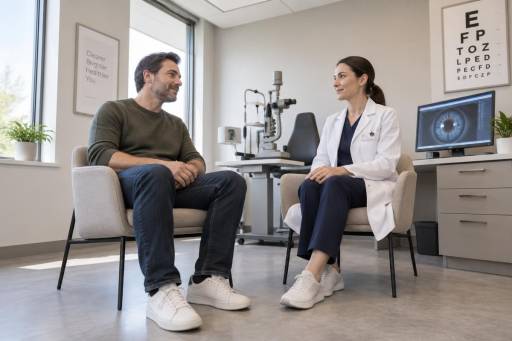
During the safety check, you will be asked to verify your identity and confirm your understanding of the procedure. The staff may review your medical history and ask about any changes in your health since your last visit.
You might feel the surgeon or technician measure your eyes again, using painless instruments. These checks are quick and help verify that nothing has changed since your initial evaluation.
You should expect clear explanations and be encouraged to voice any last-minute questions or concerns. The environment will be calm and professional, designed to reassure you as you prepare for surgery.
Knowing what happens during this final stage can make you feel more comfortable and confident heading into your LASIK procedure.
Ensuring Safety: The Final Check as a Trust Builder in LASIK Surgery
The thoroughness of the final safety check plays a significant role in building trust between you and your surgical team. When you see the careful attention to detail and the multiple verification steps, it reinforces that your safety is the top priority.
This transparency helps reduce anxiety by showing that the team is committed to avoiding preventable errors and that your care is personalized. Knowing that technology and human expertise are combined to protect your vision fosters confidence in the procedure.
By fully engaging you in the consent process and encouraging questions, the final check also respects your role in decision-making. This collaborative approach strengthens trust and helps you feel informed and supported.
Get expert support for your treatment
Let our coordination team prepare a personalized plan for you.
Contact information
Your information is only used to contact you and is never shared with third parties.
Your request has been received!
Your request has been received! Our coordination team will contact you as soon as possible.
Ultimately, the final safety inspection is more than just a checklist, it exemplifies the professionalism and care that underpin successful LASIK outcomes and patient satisfaction.
Frequently Asked Questions
Q: What specific safety checks are performed before LASIK surgery?
A: Before LASIK, the surgical team verifies patient identity, reviews eye measurements, checks laser calibration, and confirms informed consent to ensure safety.
Q: How long does the final safety check take?
A: The safety check typically takes a few minutes, as it involves multiple verification steps to ensure all conditions are optimal for surgery.
Q: Can patients ask questions during the safety check?
A: Yes, patients are encouraged to ask questions and clarify any concerns during the safety verification to ensure they are fully informed.
Q: What happens if a safety concern is identified during the check?
A: If a safety issue is detected, the surgery may be postponed until the concern is resolved to ensure patient safety.
Q: Is the safety check different for first-time LASIK patients versus repeat procedures?
A: The safety protocols are similar for all patients, focusing on verifying current eye health and measurements regardless of prior LASIK procedures.
Q: Should I be nervous about the safety check?
A: No, the safety check is a routine and essential part of LASIK that ensures your safety and the best possible outcome.
The information provided is for educational purposes only and does not constitute medical advice. Always consult with a healthcare professional for medical guidance specific to your situation.