Quick Answer
International patients should bring comprehensive and up-to-date eye health records including recent eye examination reports, corneal topography maps, visual acuity test results, and any previous eye surgery records for their LASIK consultation in Turkey. These documents help ophthalmologists assess suitability and plan safe, personalized surgery.
- Patients must bring recent comprehensive eye exam reports to provide a detailed overview of their eye health.
- Corneal topography maps and visual acuity test results are essential for assessing corneal shape and vision level.
- Previous eye surgery records, such as past LASIK or cataract surgery, should be included if applicable.
- Medical records should ideally be from within the last 6 to 12 months to reflect current eye condition.
- Translating medical records into English or Turkish is recommended to facilitate communication with the surgeon.
- Organizing all documents into a single folder or digital file streamlines the consultation process.
- Complete and accurate medical records support safe surgical planning and help minimize risks during LASIK in Turkey.
What Medical Records Should International Patients Bring For LASIK Eye Surgery In Turkey?
International patients considering LASIK eye surgery in Turkey should prioritize bringing comprehensive and up-to-date medical records related to their eye health. These documents are vital for ophthalmologists to accurately assess your suitability for the procedure and to tailor the surgical plan to your unique anatomical and visual needs. Having detailed pre-operative eye documents on hand streamlines the consultation process and supports safe, effective treatment tailored to your individual circumstances.
Turkey has become a popular destination for LASIK due to its combination of advanced technology, experienced surgeons, and competitive pricing. However, as an international patient, careful preparation of your eye health documentation before traveling is essential to ensure a smooth and successful experience. This preparation includes gathering recent eye exams, corneal imaging results, and any prior surgical records to provide your Turkish surgeon with a complete and accurate picture of your eye condition.
Proper documentation not only reduces the risk of delays but also enhances the quality of your LASIK experience by enabling a thorough pre-operative assessment. Understanding which medical records to bring and how to organize them will give you greater confidence and peace of mind as you embark on your vision correction journey in Turkey, helping you make informed decisions and set realistic expectations for your outcomes.
Get expert support for your treatment
Let our coordination team prepare a personalized plan for you.
Contact information
Your information is only used to contact you and is never shared with third parties.
Your request has been received!
Your request has been received! Our coordination team will contact you as soon as possible.
Essential Pre-Operative Eye Documents for LASIK in Turkey
For your LASIK consultation in Turkey, it is essential to bring key pre-operative eye documents that provide a comprehensive overview of your eye health. These typically include detailed reports from your most recent comprehensive eye examination, corneal topography maps that illustrate the shape and curvature of your cornea, and visual acuity test results that document your current level of vision. These documents collectively offer critical information about your eye’s anatomy, corneal thickness, prescription, and overall health status.
If you have undergone previous eye surgeries, such as earlier LASIK procedures, cataract surgery, or other refractive treatments, it is important to bring those records as well. This historical information helps your ophthalmologist assess the current condition of your eyes and determine the safety and feasibility of performing LASIK.
Your ophthalmologist will use these records to evaluate the corneal structure and rule out contraindications such as keratoconus or severe dry eye syndrome, both of which can affect the safety and success of LASIK. Additionally, documentation of any current medications, allergies, or systemic health conditions provided by your general practitioner may be relevant, especially if these factors could impact healing or eye health.
Having these documents organized and easily accessible facilitates a smooth and efficient evaluation process. Bringing recent prescription history and any notes regarding fluctuations in your vision ensures your surgeon fully understands your visual needs and history. This thorough documentation is vital for safe, personalized LASIK surgery planning in Turkey, helping to optimize your surgical outcomes and minimize risks.
How Your Eye Health History Impacts LASIK Eligibility and Planning
Your eye health history is a fundamental factor in determining whether you are a suitable candidate for LASIK surgery in Turkey and in shaping the surgical plan. Surgeons require detailed information about any past or current eye conditions such as glaucoma, cataracts, corneal diseases like keratoconus, or retinal issues. These conditions may necessitate further evaluation, specialized treatment, or alternative vision correction methods if LASIK is deemed unsafe or inappropriate.
Documentation of chronic symptoms such as dry eye, recurrent infections, or ocular inflammation is also crucial because these factors can significantly affect healing and the overall success of the surgery. Surgeons will carefully examine your records to assess corneal thickness, the stability of your refractive error over time, and any history of visual disturbances such as halos or glare.
This comprehensive review helps the surgeon determine whether LASIK is a safe and effective option for you or if other procedures, such as PRK or lens-based surgeries, might better suit your eye health profile. A complete and accurate eye health history ensures that your surgical plan is customized to your specific needs, minimizing risks such as poor healing or vision regression and optimizing your chances for a successful outcome and long-term visual satisfaction.
Preparing Your Medical Records for a Seamless LASIK Consultation in Turkey
Preparing your medical records thoroughly before traveling to Turkey for your LASIK consultation is essential to ensure an efficient and productive appointment. It is important that all documents are clear, legible, and preferably translated into English or Turkish to facilitate effective communication with your ophthalmologist and their medical team.
To streamline the process, compile your records into a single organized folder or digital file. This should include your most recent comprehensive eye examination reports, corneal imaging such as topography or tomography scans, prescription history detailing any changes in your vision over time, and any previous surgical reports if applicable. Including contact information for your prior eye care providers can also be helpful in case your Turkish surgeon needs to verify details or request additional information.
If you discover that your records are incomplete or outdated, it is advisable to contact your current eye doctor well in advance to update or obtain any missing documents before your trip. Having well-prepared and complete documentation expedites the evaluation process, allowing your surgeon to provide a timely and accurate surgical plan without unnecessary delays.
Presenting your eye health history clearly and comprehensively also builds trust and confidence with your Turkish surgeon, fostering a collaborative relationship that makes your LASIK journey smoother and more reassuring from consultation through to post-operative care.
What to Expect During Your LASIK Eye Surgery Consultation in Turkey
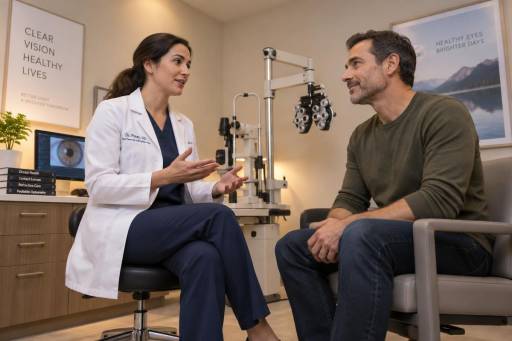
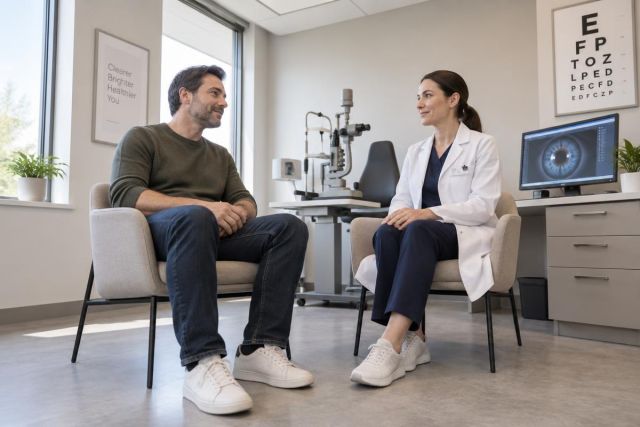
During your LASIK consultation in Turkey, the surgeon will conduct a thorough review of your medical records alongside a comprehensive eye examination. This detailed assessment includes verifying your visual acuity to understand the sharpness of your vision, measuring corneal thickness to ensure your cornea is suitable for reshaping, and performing corneal topography to map the surface of your cornea and detect any abnormalities such as irregularities or thinning that could impact surgery outcomes.
Your pre-operative medical documents play a critical role in the surgeon’s evaluation of your LASIK candidacy. These records help identify any underlying conditions that may require treatment prior to surgery or that could contraindicate the procedure altogether. The consultation also provides an opportunity for you to discuss your visual goals and lifestyle needs, such as whether you engage in activities requiring sharp distance vision or have concerns about night vision or dry eyes. This dialogue allows the surgeon to tailor recommendations based on your expectations and daily habits.
Based on the comprehensive information gathered, the surgeon will explain the recommended LASIK procedure, including the specific technique best suited for your eyes, potential risks such as dry eye or visual disturbances, and the expected outcomes you can realistically anticipate. It is important to understand that while LASIK can significantly improve vision, results may vary and some patients may still require glasses for certain tasks.
Having thorough and up-to-date medical records readily available ensures a detailed and personalized consultation, reducing the need for repeated testing and minimizing delays. This collaborative process between you and your surgeon forms the foundation for safe, effective, and well-planned LASIK surgery in Turkey, helping you make informed decisions about your eye care.
Post-Consultation Steps: Ensuring Your Medical Records Support Your LASIK Journey
Following your initial LASIK consultation in Turkey, there may be additional steps required to ensure your eligibility and readiness for the procedure. This often involves providing supplementary documentation or undergoing further diagnostic tests to confirm the stability of your vision and the health of your eyes. Maintaining updated and comprehensive eye health records throughout this process supports ongoing evaluation and allows your surgeon to monitor any changes or developments that could influence surgical planning.
Additional follow-up documents might include recent measurements of intraocular pressure to rule out glaucoma, tear film assessments to evaluate for dry eye syndrome, or updated corneal imaging to confirm corneal thickness and shape remain suitable for LASIK. If your surgeon prescribes pre-operative treatments such as medicated eye drops to manage inflammation or dryness, keeping detailed records of these treatments helps ensure coordinated care and optimal eye condition before surgery.
It is important to organize and retain all medical records related to your eye health during your LASIK journey in Turkey. This continuity of documentation not only aids in managing your treatment safely but also allows for efficient addressing of any post-operative concerns or complications should they arise. Proper record-keeping is an essential component of achieving the best possible outcomes from your LASIK procedure, as it facilitates clear communication between you and your healthcare providers and supports personalized care tailored to your evolving needs.
Get expert support for your treatment
Let our coordination team prepare a personalized plan for you.
Contact information
Your information is only used to contact you and is never shared with third parties.
Your request has been received!
Your request has been received! Our coordination team will contact you as soon as possible.
Frequently Asked Questions
Q: What specific eye health documents should I bring for my LASIK consultation?
A: You should bring recent eye examination reports, corneal topography maps, visual acuity test results, and any previous LASIK or eye surgery records if applicable.
Q: How recent should my eye health records be for LASIK eligibility?
A: Ideally, your records should be from within the last 6 to 12 months to ensure they reflect your current eye condition.
Q: Can I have LASIK if I have a history of eye disease?
A: A detailed review of your eye health history is necessary. Some conditions may require additional evaluation or treatment before proceeding with LASIK.
Q: Do I need to translate my medical records into Turkish or English?
A: It is recommended to have your records translated into English or Turkish to facilitate understanding by the Turkish ophthalmologist.
Q: What should I do if I don’t have complete medical records?
A: Contact your previous eye care provider to request your records. Incomplete documentation may delay your evaluation or require additional testing.
The information provided is for educational purposes only and does not constitute medical advice. Always consult with a healthcare professional for medical guidance specific to your situation.