Quick Answer
Asthma can be diagnosed without symptoms through lung function tests, allergy testing, and evaluation of medical and family history. Proactive testing and communication with healthcare providers are essential for early detection and management.
- Asthma diagnosis without symptoms is possible but challenging and relies heavily on comprehensive testing.
- Lung function tests, such as spirometry, are primary tools used to assess lung capacity and airflow in asymptomatic individuals.
- Family history and environmental factors are significant risk factors considered during the asthma diagnosis process.
- Allergy tests help identify triggers that may contribute to asthma even when symptoms are not present.
- Early detection of asthma without symptoms allows for better management and prevention of complications.
- Regular check-ups and proactive discussions with healthcare providers improve the chances of diagnosing asthma early.
- Documenting medical and family history and discussing any respiratory concerns with a doctor facilitates timely asthma diagnosis and care.
Can Asthma Be Diagnosed Without Symptoms?
Asthma diagnosis can be complex, especially when symptoms are absent. Many individuals live with asthma without realizing it, which can lead to serious health issues. Understanding how asthma can be diagnosed without symptoms is crucial for timely intervention and management. The ability to identify asthma early, even without clear symptoms, can significantly improve the quality of life for patients.
Doctors often rely on various asthma testing options to reach a diagnosis. These may include lung function tests and detailed medical histories. Effective communication with healthcare providers plays a vital role in this process. A proactive approach can help identify potential asthma risk factors, leading to appropriate treatment plans.
Recognizing the importance of an asthma diagnosis process allows patients to take control of their health. Engaging with medical professionals about concerns, even in the absence of symptoms, is essential. Armed with knowledge, individuals can navigate their health journey more effectively. For those curious about how to address asthma concerns, further reading can offer valuable insights.
Get expert support for your treatment
Let our coordination team prepare a personalized plan for you.
Contact information
Your information is only used to contact you and is never shared with third parties.
Your request has been received!
Your request has been received! Our coordination team will contact you as soon as possible.
5 Crucial Facts About Diagnosing Asthma Without Symptoms
Diagnosing asthma without symptoms can be challenging yet essential for many patients. Many individuals suffer from asymptomatic asthma, where they do not exhibit noticeable signs. This absence of symptoms makes early detection difficult but not impossible. Comprehensive testing is vital in these cases to ensure proper management and care.
Healthcare providers often use lung function tests in the asthma diagnosis process. These tests measure how well your lungs are working, even without observable symptoms. By evaluating airflow and lung capacity, doctors can gather important information. Identifying issues early can prevent future complications associated with untreated asthma.
Family history is another significant factor in diagnosing asthma without symptoms. If family members have asthma, the likelihood of developing it increases. Health professionals consider this risk factor when assessing patients. Understanding personal and family health histories allows for a more tailored approach to asthma testing.
Taking proactive steps can aid in identifying asthma even when symptoms are absent. Schedule regular check-ups and discuss any concerns with your doctor. If you suspect asthma, ask about testing options that can help clarify your condition. Engaging with your healthcare provider about the asthma diagnosis process can lead to better outcomes and improved quality of life.
How Doctors Use Asthma Testing When Symptoms Are Absent
Doctors use asthma testing when symptoms are absent to provide accurate diagnoses. These specialized tests help identify underlying issues even without visible signs. Through this approach, healthcare providers can effectively assess each patient's unique situation. This method is crucial for diagnosing asthma without symptoms.
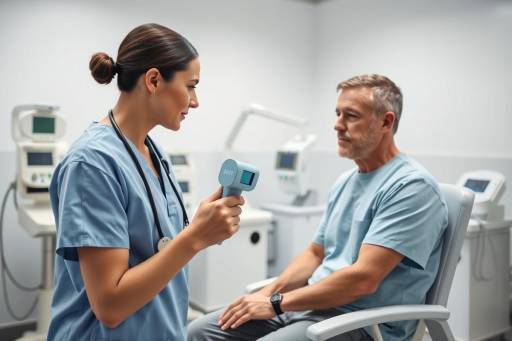
Lung function tests are among the primary asthma testing options available. These tests measure how well air moves in and out of the lungs. Patients may be asked to breathe into a device called a spirometer, which records lung capacity and airflow. This information is essential for diagnosing asthma, especially in asymptomatic patients.
Allergy tests also play a significant role in this process. By identifying specific allergens that may trigger asthma, doctors can better understand a patient's condition. Skin tests and blood tests can reveal sensitivities that are not always apparent. Utilizing these tests enhances the accuracy of diagnosing asthma without symptoms.
Being proactive about asthma testing is essential for individuals at risk. If you suspect asthma, communicate your concerns with your healthcare provider. Requesting lung function tests can provide critical insights into your respiratory health. Engaging in discussions about asthma testing options can lead to timely diagnosis and effective management strategies.
Top 4 Risk Factors That May Trigger a Silent Asthma Diagnosis
Top risk factors may trigger a silent asthma diagnosis in many individuals. Identifying these factors is crucial for proactive health management. Even without obvious symptoms, being aware of these risks can lead to timely diagnosis. Knowing these asthma risk factors can help ensure you receive the necessary care.
Family history of asthma is a significant risk factor to consider. If relatives have asthma, your chances of developing it increase. Genetic predisposition plays a vital role in this condition. Discussing your family health history with your doctor can aid in early diagnosis.
Environmental factors can also contribute to silent asthma. Exposure to allergens such as dust, mold, and pollen can trigger asthma symptoms. Pollutants like smoke and strong odors may aggravate respiratory issues. Identifying these environmental triggers is essential for diagnosing asthma without symptoms.
Lifestyle choices may influence the likelihood of developing asthma. Smoking or exposure to secondhand smoke can damage lung function. Regular exercise, while beneficial, can also trigger asthma in some individuals. Maintaining a healthy lifestyle is vital for managing asthma risk factors. If you suspect that you are at risk, consult your healthcare provider for a thorough evaluation.
Why Early Asthma Detection Is Vital Even Without Symptoms
Early asthma detection is vital even without symptoms for many reasons. Identifying asthma at an early stage can significantly improve long-term health. Patients who are diagnosed early often experience better management of their condition. This proactive approach can prevent serious complications in the future.
The asthma diagnosis process can be enhanced by routine check-ups. Regular evaluations can help in recognizing subtle changes in lung function. For instance, a lung function test may reveal underlying issues that are not immediately apparent. Such assessments are essential for diagnosing asthma without symptoms and ensuring appropriate care.
Long-term asthma management is much easier with early detection. Patients with early diagnoses can implement treatment plans that minimize flare-ups. Effective management can lead to improved quality of life and reduced healthcare costs. Early intervention allows individuals to maintain their daily activities without significant interruptions.
Taking action is crucial if you suspect you may have asthma. Consult with your healthcare provider about any concerns, even if you feel fine. Engaging in discussions about early asthma detection can lead to timely interventions. Prioritizing your respiratory health is essential for a healthier future.
Get expert support for your treatment
Let our coordination team prepare a personalized plan for you.
Contact information
Your information is only used to contact you and is never shared with third parties.
Your request has been received!
Your request has been received! Our coordination team will contact you as soon as possible.
How to Talk to Your Doctor About Asthma Without Symptoms
How to talk to your doctor about asthma without symptoms is crucial for your health. Effective communication can lead to a timely diagnosis and proper management. Being proactive helps ensure that even subtle signs are not overlooked. Preparing for this conversation can significantly impact your asthma diagnosis process.
Start by documenting your medical history related to asthma. Include any family history of asthma or related conditions. Additionally, note any environmental factors that may affect your breathing. Having this information ready can facilitate a focused discussion with your healthcare provider.
When you meet with your doctor, express your concerns clearly. Discuss any potential symptoms you may have experienced. Even minor issues like shortness of breath or wheezing should be mentioned. This openness can help your doctor consider how to diagnose asthma without symptoms.
Consider asking specific questions during your appointment. Inquire about asthma testing options and what they involve. Discuss which tests might be appropriate based on your medical history. This proactive approach can help you feel empowered in managing your respiratory health. Engaging in these conversations can lead to early detection and effective long-term asthma management.
Frequently Asked Questions
Q: What are the common asthma symptoms to watch for?
A: Common asthma symptoms include coughing, wheezing, and shortness of breath. Chest tightness is also a frequent issue. These symptoms may vary in intensity over time. Recognizing these signs is crucial for early asthma diagnosis.
Q: How can doctors diagnose asthma without symptoms?
A: Doctors can diagnose asthma without symptoms through various tests. Lung function tests measure airflow in and out of the lungs. Allergy testing can identify potential triggers that may affect breathing. This is a critical part of the asthma diagnosis process.
Q: When should I seek asthma testing options?
A: Seek asthma testing options if you experience any respiratory issues. If you have a family history of asthma, it is wise to consult a doctor. Early intervention is key for effective asthma management. Regular check-ups can help monitor your lung health.
Q: Can you diagnose asthma without visible symptoms?
A: Yes, you can diagnose asthma without visible symptoms. Healthcare providers rely on tests to evaluate lung function. They may also consider your medical history and risk factors. This comprehensive approach aids in diagnosing asthma accurately.
Q: How does the asthma diagnosis process work?
A: The asthma diagnosis process typically begins with a medical history review. Your doctor will ask about symptoms and family history. Lung function tests are then performed to assess breathing capacity. This process helps confirm or rule out asthma.
The information provided is for educational purposes only and does not constitute medical advice. Always consult with a healthcare professional for medical guidance specific to your situation.