How do viral infections impact chronic lung conditions?
When viruses enter the body they can make these conditions worse and cause new issues. It's like a one-two punch where the lungs are already down from one hit and then the virus lands another.
Explore common lung diseases, their symptoms, causes, risk factors, diagnostic methods, treatment options, and strategies for protecting respiratory health and managing long-term breathing conditions.
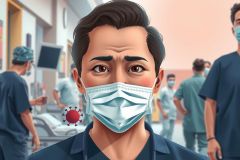
When viruses enter the body they can make these conditions worse and cause new issues. It's like a one-two punch where the lungs are already down from one hit and then the virus lands another.

Understanding the role of these tests is very important. It helps people see their own health better. Patients learn why they take deep breaths during a test or why they must hold their breath at times.

Support comes in many forms each valuable in its own way. Whether it's learning new ways to manage your health or finding financial aid these resources aim to lighten the load.
Get a free consultation and talk through symptoms, treatment options, and possible care paths with our coordination team.
Get Free Consultation
When we breathe in dirty air it can hurt our lungs and cause health issues. This effect on people with lung diseases like asthma can make their condition worse.
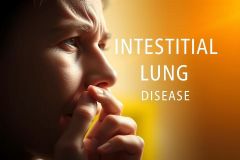
For someone with this lung issue keeping up with the latest options is key. New drugs come out that may improve health or ease symptoms. There are also special programs designed to boost your lungs' work.

Living with lung disease means you need to take care of your health every day. You can feel better and breathe easier by making some small changes.
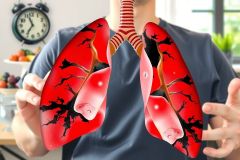
Smoking is a habit that many people find hard to quit. It's clear that it hurts your lungs over time. When you smoke chemicals go into your airways and can cause harm

Living with COPD means finding ways to breathe easier and improve your quality of life. Treatment options aim to reduce symptoms, slow progress, and make daily tasks less hard.

These tests help them see inside the body without having to make any cuts. They can spot trouble spots on the lungs that might not be working right.
Lung disease is a broad term used to describe disorders that affect the lungs, airways, blood vessels within the lungs, or other structures involved in breathing. These conditions can interfere with airflow, reduce the lungs’ ability to transfer oxygen into the bloodstream, make it difficult to remove carbon dioxide, or limit the normal expansion of the lungs.
Lung diseases range from temporary respiratory infections to chronic and progressive conditions that require long-term medical care. Asthma, chronic obstructive pulmonary disease, pneumonia, tuberculosis, pulmonary fibrosis, bronchiectasis, pulmonary hypertension, cystic fibrosis, occupational lung diseases, and lung cancer are among the many conditions that may affect breathing and respiratory health. Some lung diseases can also lead to respiratory failure when the lungs cannot provide the body with enough oxygen or remove carbon dioxide effectively.
The symptoms, severity, treatment needs, and long-term outlook can vary considerably between different pulmonary conditions. An accurate diagnosis is therefore essential for determining the most appropriate care plan.
The lungs are the main organs of the respiratory system. When a person breathes in, air travels through the nose or mouth, down the trachea, and into tubes called the bronchi. The bronchi divide into progressively smaller airways that eventually lead to millions of tiny air sacs known as alveoli.
Inside the alveoli, oxygen passes into the bloodstream while carbon dioxide moves from the blood into the lungs to be breathed out. Diseases that narrow the airways, damage the alveoli, scar the lung tissue, affect the pulmonary blood vessels, or weaken the muscles involved in breathing can interrupt this process.
The impact of lung disease may range from mild breathing discomfort to significant limitations in physical activity and everyday life.
Lung diseases may be classified according to the part of the respiratory system they affect and how they interfere with breathing.
Obstructive lung diseases make it difficult to move air out of the lungs because the airways become narrowed, inflamed, blocked, or damaged. Asthma and chronic obstructive pulmonary disease, commonly known as COPD, are two of the most common chronic respiratory diseases worldwide.
Asthma causes episodes of airway inflammation and narrowing that may result in coughing, wheezing, chest tightness, and shortness of breath. COPD is a progressive group of conditions, primarily including chronic bronchitis and emphysema, that restrict airflow and make breathing increasingly difficult over time.
Bronchiectasis, chronic bronchitis, and some forms of bronchiolitis may also affect airflow through the bronchial tubes.
Restrictive lung diseases can make it difficult for the lungs to expand fully. Interstitial lung diseases are a large group of conditions that cause inflammation or scarring within the lung tissue. This scarring, known as pulmonary fibrosis, can make the lungs stiff and reduce the transfer of oxygen into the bloodstream.
Interstitial lung disease may develop because of autoimmune conditions, occupational exposure, environmental particles, certain medications, radiation therapy, or other identifiable causes. In some cases, the cause cannot be determined.
Respiratory infections may affect the airways, lung tissue, or both. Pneumonia, influenza, tuberculosis, COVID-19, acute bronchitis, and other bacterial, viral, or fungal infections may cause inflammation and breathing difficulties.
Some infections resolve with appropriate treatment, while others can become severe, recur, or cause permanent lung damage. Infants, older adults, people with weakened immune systems, and patients with existing lung or heart conditions may have a higher risk of complications.
Pulmonary vascular diseases affect the blood vessels that carry blood between the heart and lungs. Pulmonary embolism occurs when a blood clot blocks an artery in the lungs. Pulmonary hypertension involves increased pressure within the pulmonary arteries and may place additional strain on the right side of the heart.
These conditions may cause shortness of breath, chest discomfort, dizziness, fatigue, fainting, or reduced exercise capacity.
Some lung diseases are linked to inherited genetic changes. Cystic fibrosis affects the production of mucus and can cause repeated lung infections and progressive respiratory damage. Alpha-1 antitrypsin deficiency may increase the risk of developing emphysema, particularly in people exposed to tobacco smoke or other lung irritants.
Genetic testing and family medical history may contribute to diagnosis when an inherited lung condition is suspected.
Lung cancer begins when abnormal cells grow uncontrollably within the lungs. Different types of lung cancer may behave differently and require different treatment approaches.
Diagnosis may involve imaging, bronchoscopy, biopsy, molecular testing, and evaluation to determine whether the cancer has spread. Treatment may include surgery, radiation therapy, chemotherapy, targeted therapy, immunotherapy, or a combination of approaches.
Symptoms differ depending on the condition, but common warning signs may include:
Interstitial lung diseases, for example, may cause shortness of breath, dry cough, chest discomfort, unusual breathing sounds, and extreme tiredness.
The presence of these symptoms does not identify a specific disease. Similar symptoms can occur in respiratory infections, heart conditions, anaemia, anxiety disorders, and other medical problems. Persistent, worsening, or unexplained breathing symptoms should therefore be assessed by a healthcare professional.
Lung disease can develop because of genetic, environmental, infectious, occupational, behavioural, or immune-related factors. In many patients, more than one risk factor may be involved.
Tobacco smoke is a major preventable cause of respiratory disease. Smoking can damage the airways and lung tissue and is strongly associated with COPD and lung cancer. Exposure to second-hand smoke may also affect respiratory health.
Air pollution, indoor smoke, chemical fumes, dust, asbestos, silica, mould, allergens, and workplace particles may contribute to chronic respiratory problems. WHO identifies tobacco smoke, air pollution, occupational chemicals and dust, and frequent lower respiratory infections during childhood as important risk factors for chronic respiratory disease.
Other possible risk factors include:
In some conditions, such as idiopathic pulmonary fibrosis, healthcare professionals may be unable to identify a definite cause even after extensive evaluation.
The diagnostic process usually begins with a detailed review of symptoms, medical history, family history, smoking history, occupation, environmental exposure, medications, previous infections, and existing health conditions.
A physical examination may include listening to the lungs, measuring oxygen saturation, checking the breathing rate, examining the chest, and looking for signs such as swelling, cyanosis, or changes in the fingertips.
Lung function tests can measure how much air a person can breathe in and out, how quickly air can be expelled, and how effectively oxygen moves from the lungs into the blood. Spirometry is commonly used when asthma or COPD is suspected.
Additional diagnostic tests may include:
The tests selected depend on the suspected condition. Some patients may need assessment by a pulmonologist, radiologist, cardiologist, thoracic surgeon, allergist, infectious disease specialist, or oncologist.
Treatment depends on the diagnosis, disease severity, underlying cause, general health, and the extent to which breathing or daily activities are affected. Some acute lung conditions can be treated successfully and resolve completely. Chronic conditions may require ongoing management to control symptoms, prevent complications, and slow disease progression.
Medications used in respiratory care may include bronchodilators, inhaled or oral corticosteroids, antibiotics, antifungal medicines, antiviral treatments, mucus-thinning medications, allergy treatments, immune-modifying drugs, antifibrotic therapies, anticoagulants, or pulmonary hypertension medications.
Some patients may need supplemental oxygen when oxygen levels in the blood are consistently low. Pulmonary rehabilitation may combine supervised exercise, breathing techniques, education, nutritional support, and strategies for managing daily activities. NHLBI identifies oxygen therapy and pulmonary rehabilitation among the treatments that may be used for lung diseases and respiratory conditions.
Other procedures and treatments may include:
No single treatment is appropriate for every lung condition. Patients should receive an individualized treatment plan based on specialist evaluation and relevant diagnostic testing.
Chronic lung disease can affect mobility, sleep, work, emotional well-being, and the ability to perform everyday tasks. Long-term management often involves more than medication alone.
Patients may benefit from learning how to use inhalers correctly, monitoring symptoms, attending scheduled follow-up appointments, staying physically active within safe limits, and recognizing early signs of infection or worsening disease.
Smoking cessation is one of the most important measures for people who smoke. Avoiding second-hand smoke, air pollution, workplace irritants, and known allergens may also help reduce respiratory symptoms.
Vaccination may be recommended for certain patients to reduce the risk of serious respiratory infection. Nutritional support, breathing exercises, mental health care, sleep management, and rehabilitation may form part of a comprehensive care plan.
Patients who use oxygen, ventilation devices, inhalers, nebulizers, or airway-clearance equipment should receive appropriate training and maintenance guidance.
Not every lung disease can be prevented. However, several measures may help protect lung function and reduce avoidable risks:
Early diagnosis is important because some lung diseases can progress before symptoms become severe. People with significant exposure histories, long-term smoking, recurrent infections, or a family history of pulmonary disease may need a more detailed respiratory assessment.
Sudden or severe breathing difficulty requires urgent medical assessment. Emergency care may be necessary when a person experiences:
These symptoms may be associated with respiratory failure, pulmonary embolism, severe infection, asthma attack, collapsed lung, heart disease, or another potentially serious condition.
Some patients consider international medical care when they require specialist evaluation, advanced diagnostic testing, thoracic surgery, lung cancer treatment, pulmonary rehabilitation, or a second medical opinion.
Before travelling, patients should obtain a clear diagnosis whenever possible and provide recent medical reports, imaging results, lung function tests, pathology records, medication lists, and information about previous treatments. A preliminary specialist review may help determine whether international treatment is appropriate, although the final plan may change after an in-person assessment.
Patients should consider the hospital’s respiratory and critical-care capabilities, specialist experience, diagnostic technology, infection-control standards, rehabilitation services, and approach to follow-up care. Complex lung conditions may require coordination between pulmonology, thoracic surgery, oncology, cardiology, radiology, pathology, rehabilitation, and intensive-care teams.
Travel itself may present risks for people with reduced oxygen levels, recent surgery, active infection, pulmonary hypertension, blood-clot risk, or advanced respiratory disease. Medical approval may be required before flying, and some patients may need in-flight oxygen or additional assistance.
A responsible international treatment plan should include pre-travel evaluation, realistic treatment timelines, potential risks, estimated recovery requirements, post-treatment monitoring, and communication with the patient’s local healthcare professionals.
Lung disease includes a wide range of conditions with different causes, treatments, and outcomes. Symptoms such as chronic cough, wheezing, chest discomfort, repeated infections, or shortness of breath should not be ignored, particularly when they persist or interfere with normal activity.
Accurate diagnosis, early specialist evaluation, appropriate treatment, and long-term follow-up can help many patients control symptoms and protect their remaining lung function. HealthNode provides general educational information about lung diseases, diagnostic options, treatments, and international care pathways. This information should not replace individual medical advice, diagnosis, or emergency treatment from a qualified healthcare professional.