Quick Answer
The best low-calorie foods for obesity management include fruits, vegetables, lean proteins like chicken and fish, legumes, and healthy snacks such as Greek yogurt and air-popped popcorn. These foods help reduce calorie intake while providing essential nutrients and promoting satiety.
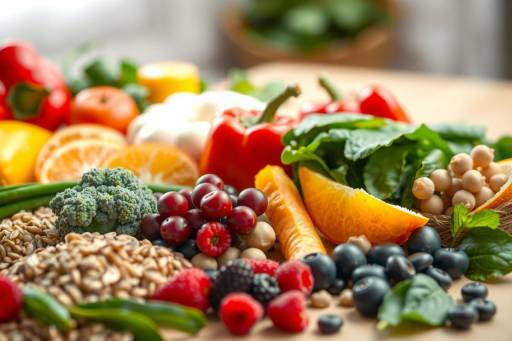
- Fruits and vegetables, especially leafy greens and berries, are top low-calorie foods rich in fiber and antioxidants.
- Lean proteins such as chicken breast, turkey, fish, and legumes support fullness and muscle maintenance with low calories.
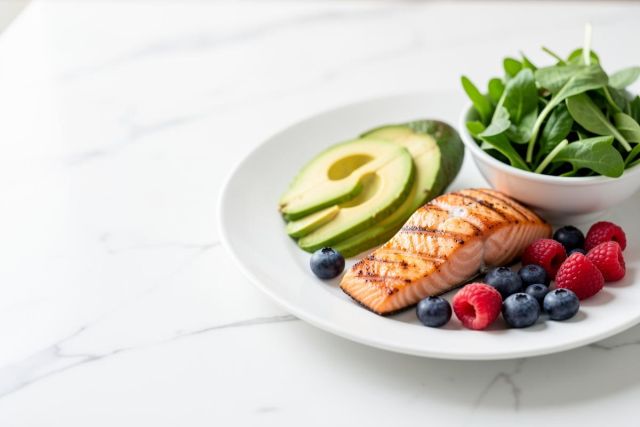
- Balanced low-calorie meals should combine lean proteins, vegetables, and healthy fats like avocado or nuts for satiety and nutrition.
- Healthy low-calorie snacks like Greek yogurt with fruit, veggies with hummus, and air-popped popcorn help curb cravings without excess calories.
- Incorporating low-calorie foods promotes satiety, reduces hunger, and supports energy levels for an active lifestyle.
- Awareness of hidden calories in sauces, dressings, and processed snacks is important to avoid sabotaging weight management efforts.
- Planning meals and snacks ahead with nutrient-dense, low-calorie foods aids in effective obesity management and lasting health benefits.
What Are the Best Low-Calorie Foods for Obesity Management?
What you eat plays a crucial role in managing obesity. For those seeking to shed extra pounds, low-calorie foods can make a substantial difference. Incorporating these foods into your diet is essential for effective weight management. Choosing the right low-calorie foods can help you maintain energy levels while reducing overall calorie intake.
Exploring the best low-calorie meal options allows you to enjoy satisfying meals without guilt. Focusing on nutrient-dense choices ensures that you receive important vitamins and minerals. These foods aid in weight loss and promote better health overall. Many healthy weight loss snacks are available to keep you feeling full between meals.
Being aware of hidden calories in everyday foods is vital for success. Learning to read food labels helps you make informed decisions when shopping. By selecting the best low-calorie options for your diet, you can take control of your health. The right choices lead to lasting results and a healthier lifestyle. Continue reading to discover practical strategies for effective obesity management.
Find the Right Weight Loss Treatment for You
Answer a few quick questions and receive a personalized obesity treatment assessment from Healthnode.
Your Health Background
These details help us understand which treatment options may be suitable for you.
Your Treatment Goals
Tell us what kind of support you are looking for.
Contact information
Your information is only used to contact you and is never shared with third parties.
Your request has been received!
Thank you. For a more accurate assessment, a HealthNode consultant may ask about your BMI, medical history, and previous weight loss attempts before matching you with a suitable specialist.
Essential Low-Calorie Foods for Weight Loss Success
Low-calorie foods are vital for achieving weight loss success. These foods help you maintain a lower calorie intake while still feeling satisfied. Including a variety of nutrient-dense foods in your diet can greatly enhance your weight management efforts. Emphasizing the best foods for obesity can lead to healthier eating habits.
Fruits and vegetables are among the top choices for low-calorie foods. Leafy greens such as spinach and kale offer essential nutrients and are very low in calories. Berries, like strawberries and blueberries, are also excellent options. They provide fiber and antioxidants while keeping your calorie count in check.
Lean proteins should also be part of your meal plan. Foods like chicken breast, turkey, and fish are low in calories and high in protein. These nutrient-dense foods help you feel full longer and support muscle maintenance. Incorporating legumes, such as lentils and chickpeas, is another fantastic way to add protein and fiber.
Meal planning can help you incorporate these low-calorie foods effectively. Create a balanced diet that prioritizes foods for weight management. Focus on colorful plates filled with fresh produce, lean proteins, and whole grains. Making these smart choices can lead to lasting weight loss success. Explore your options and take the first step toward a healthier lifestyle today.
How to Create Balanced Low-Calorie Meals for Obesity Control
Creating balanced low-calorie meals for obesity control is essential for effective weight management. These meals should include a variety of nutrients while keeping calorie counts low. Incorporating a mix of proteins, healthy fats, and fiber-rich carbohydrates can make a significant difference. Focusing on low-calorie meal options ensures you stay satisfied without overeating.
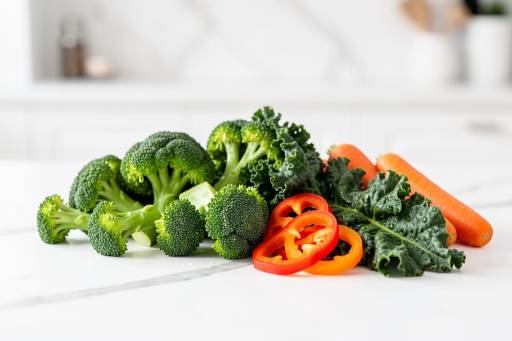
Start by selecting lean proteins as the foundation of your meals. Chicken breast, turkey, and fish are excellent choices. Pair these proteins with plenty of vegetables to increase volume and nutrients. Leafy greens, bell peppers, and broccoli provide essential vitamins while contributing very few calories.
Healthy fats also play a crucial role in meal balance. Incorporating avocado or nuts can enhance flavor and satiety. These ingredients add richness to meals and help you feel full longer. Portion control tips indicate that even small amounts of healthy fats can offer significant benefits without excessive calories.
Planning your meals ahead can simplify the process of creating balanced meals. Aim to include healthy weight loss snacks between meals to curb hunger. Simple snacks like Greek yogurt or fresh fruit are nutritious and satisfying. Focus on incorporating diverse low-calorie meal options into your diet. Start making these changes today for lasting health benefits and effective obesity control.
Filling Low-Calorie Snacks That Curb Cravings Fast
Filling low-calorie snacks that curb cravings fast are vital for weight management. Choosing the right snacks can help you stay on track with your diet. These healthy weight loss snacks not only satisfy hunger but also keep calorie counts low. Incorporating these options can make a significant difference in your obesity management efforts.
Greek yogurt is an excellent choice for a low-calorie snack. Packed with protein, it keeps you full for longer periods. Adding fresh fruit like berries can enhance flavor and add essential nutrients. This combination serves as a delicious and nutritious option among low-calorie snacks for obesity.
Veggies and hummus provide another satisfying snack option. Carrot sticks, bell pepper slices, and cucumber pairs perfectly with hummus. This snack delivers fiber and protein, making it both filling and healthy. Choosing these foods to reduce obesity can lead to better eating habits.
Popcorn is also a fantastic low-calorie snack when prepared correctly. Air-popped popcorn is light and crunchy, making it perfect for satisfying cravings. Seasoning it with herbs or spices can enhance flavor without adding calories. Opt for these low-calorie snack ideas to stay satisfied between meals. Incorporating these smart choices can help you maintain your weight loss journey. Start enjoying these snacks today for lasting health benefits.
Crucial Benefits of Incorporating Low-Calorie Foods Into Your Diet
Incorporating low-calorie foods into your diet offers crucial benefits for health. These foods support effective weight management while providing essential nutrients. A focus on low-calorie options can significantly aid in achieving obesity management goals. Adopting these foods for weight management is a smart choice for anyone.
One major benefit of low-calorie foods is their ability to promote satiety. Foods rich in fiber, such as fruits and vegetables, fill you up without adding many calories. This helps control hunger and reduces the likelihood of overeating. Choosing these nutrient-dense options can effectively enhance your overall well-being.
Low-calorie diets also contribute to improved energy levels. Consuming fewer empty calories allows your body to function more efficiently. Foods for weight management often provide vitamins and minerals that keep you energized throughout the day. This energy boost supports an active lifestyle and better overall health.
Planning meals with low-calorie foods can lead to lasting benefits. Focus on incorporating a variety of fruits, vegetables, and lean proteins into your daily meals. These obesity management tips can create a balanced diet that promotes health and wellness. Begin making these changes today to experience the positive effects of a low-calorie diet.
Find the Right Weight Loss Treatment for You
Answer a few quick questions and receive a personalized obesity treatment assessment from Healthnode.
Your Health Background
These details help us understand which treatment options may be suitable for you.
Your Treatment Goals
Tell us what kind of support you are looking for.
Contact information
Your information is only used to contact you and is never shared with third parties.
Your request has been received!
Thank you. For a more accurate assessment, a HealthNode consultant may ask about your BMI, medical history, and previous weight loss attempts before matching you with a suitable specialist.
How to Avoid Common Pitfalls When Choosing Low-Calorie Foods
How to avoid common pitfalls when choosing low-calorie foods is essential for success. Many people overlook hidden calories that can sabotage their efforts. Awareness of these pitfalls can help you make informed decisions about your diet. Selecting the best low-calorie options for your diet is crucial for effective weight management.
Hidden calories often lurk in sauces and dressings. Many condiments contain sugar and unhealthy fats that add up quickly. When choosing low-calorie foods, always check food labels for these extras. Food label tips indicate that serving sizes can be misleading, so be cautious.
Snacking can also lead to unintentional overeating. Many snacks marketed as healthy can contain more calories than expected. Opt for whole foods like fruits and veggies instead of processed varieties. Choosing low-calorie foods in their natural state is often the best strategy.
Planning meals ahead can help you avoid common pitfalls. Create a shopping list that focuses on whole, nutrient-dense foods. This will make it easier to stick to your low-calorie meal plan. By staying informed and making smart choices, you can successfully navigate your weight management journey. Start implementing these tips today for a healthier future.
Frequently Asked Questions
Q: What are the best low-calorie foods for weight loss?
A: The best low-calorie foods include fruits and vegetables. Lean proteins like chicken and fish are also great choices. These foods for weight management help you feel full without excess calories. Incorporating these options can support your weight loss journey.
Q: How can low-calorie meal options help reduce obesity?
A: Low-calorie meal options help manage overall calorie intake. These meals provide essential nutrients while keeping calories low. Focusing on healthy weight loss snacks can also curb cravings. This approach is effective for obesity management.
Q: When should I choose low-calorie snacks?
A: Opt for low-calorie snacks when feeling hungry between meals. These snacks can prevent overeating at meal times. Healthy weight loss snacks keep energy levels steady throughout the day. Choose options like fruits and nuts for best results.
Q: Why are low-calorie foods important for a healthy diet?
A: Low-calorie foods are crucial for maintaining a healthy diet. They help manage weight while providing vital nutrients. Incorporating these foods to reduce obesity is beneficial for overall health. A balanced diet includes a variety of low-calorie options.
Q: Can I substitute high-calorie foods with low-calorie options?
A: Yes, substituting high-calorie foods with low-calorie options is effective. This can significantly lower your daily calorie intake. Focus on replacing snacks and meals with healthier alternatives. This strategy supports effective weight management.
The information provided is for educational purposes only and does not constitute medical advice. Always consult with a healthcare professional for medical guidance specific to your situation.