Table of Contents
How Does Smoking Affect Oral Surgery Planning?
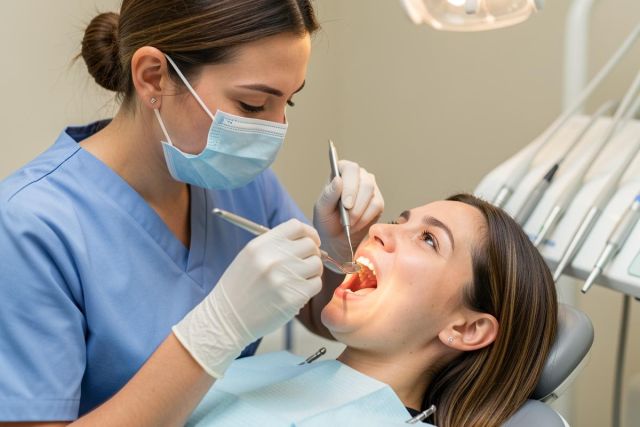
Smoking significantly affects oral surgery planning because it increases the risk of complications such as delayed healing, infection, and poor surgical outcomes. These risks arise from smoking’s harmful effects on critical physiological processes including blood flow, immune response, and tissue repair mechanisms, all of which are essential for successful surgical recovery. As a result, smokers often face more challenging and prolonged healing periods compared to non-smokers.
Understanding the impact of smoking is crucial when preparing for oral surgery. Smoking reduces oxygen delivery to tissues by constricting blood vessels and impairing circulation, which limits the supply of vital nutrients needed for tissue regeneration. This compromised blood flow can lead to complications such as dry socket, a painful condition that occurs when the blood clot protecting a tooth extraction site dislodges prematurely. Additionally, smokers have a higher risk of infections due to a weakened immune response, which can further delay healing and increase the likelihood of surgical failure.
Because of these significant risks, oral surgeons often advise patients to quit smoking prior to surgery to improve the healing environment and increase the chances of a successful procedure. This recommendation is based on a comprehensive understanding of the biological mechanisms by which smoking impairs recovery. This article explores these underlying scientific reasons and provides guidance on effective smoking cessation strategies to help patients achieve better surgical outcomes and promote long-term oral health.
Get Support From an Oral and Maxillofacial Surgeon
Answer a few short questions and HealthNode will help you connect with the right oral and maxillofacial surgery specialist.
Symptoms and Urgency
This helps us understand whether you may need routine surgical planning or a higher-priority review.
Previous Tests or Surgical Planning
A few details help the surgeon understand what has already been checked and what type of surgical care may be needed.
Health and Surgery Factors
These details help the specialist understand any factors that may affect surgery, anesthesia, or healing.
Contact information
Your information is only used to contact you and is never shared with third parties.
Your request has been received!
Thank you. If you have dental X-rays, panoramic X-ray, CBCT or 3D scan, CT or MRI, referral notes, pathology reports, implant records, previous surgery records, or photos of swelling or injury, please keep them ready. A HealthNode consultant will guide you through the next step.
The Science Behind Smoking and Oral Surgery Risks
Smoking causes significant damage to oral tissues and impairs the body’s natural ability to heal, which directly impacts the success of oral surgery. The chemicals found in cigarette smoke, including nicotine and carbon monoxide, reduce blood flow by causing blood vessels to narrow. This vasoconstriction limits the delivery of oxygen and essential nutrients to the surgical site, which are critical for tissue regeneration and repair. Without sufficient oxygen, the healing process is delayed, increasing the risk of complications.
In addition to reducing blood flow, smoking suppresses the immune system, weakening the body’s defense mechanisms against infection. This immunosuppression makes it more difficult for the body to fight off bacteria and other pathogens at the surgical site. As a result, infections such as abscess formation or bone loss can occur, potentially requiring further treatment and prolonging recovery.
The combined effects of reduced blood flow and immune suppression also heighten the risk of developing dry socket, a painful condition commonly seen after tooth extractions. Dry socket occurs when the blood clot that protects the exposed bone and nerves at the extraction site dislodges prematurely, leaving the area vulnerable to pain and infection.
Overall, smoking creates an oral environment that is less conducive to healing and more prone to infection and tissue damage. This scientific understanding underscores why oral surgeons carefully consider a patient’s smoking history when planning procedures and strongly encourage smoking cessation to improve surgical outcomes and reduce postoperative complications.
How Smoking Interferes with Healing After Oral Surgery
The detrimental effects of smoking on healing after oral surgery are primarily due to nicotine and other toxic substances found in tobacco smoke that impair tissue regeneration. Nicotine causes blood vessels to constrict, which reduces blood flow to wounds and limits the delivery of oxygen and essential nutrients necessary for cell repair and growth at the surgical site. This constriction slows the formation of new blood vessels, a critical step in the healing process.
In addition to nicotine’s effects, smoke exposure introduces carbon monoxide into the bloodstream. Carbon monoxide binds to hemoglobin more readily than oxygen does, effectively reducing the amount of oxygen available to tissues. This further exacerbates oxygen deprivation, delaying wound healing and increasing the risk of tissue damage.
Smoking also disrupts the normal function of immune cells such as macrophages and neutrophils. These cells are vital for clearing debris, fighting infections, and orchestrating the healing response. When their activity is compromised by smoking, the risk of post-surgical infections rises significantly, which can prolong recovery times and lead to additional complications such as abscesses or graft failures.
Because tissue regeneration is slowed and infection risk is higher, smokers often experience longer recovery periods accompanied by increased postoperative pain and discomfort compared to non-smokers. Understanding these biological mechanisms provides important context for why smoking cessation is strongly encouraged before oral surgery to optimize healing and improve overall surgical outcomes.
Pre-Surgery Smoking Cessation: Why It Matters
Quitting smoking before oral surgery plays a critical role in improving surgical outcomes and accelerating the healing process. Even stopping smoking a few weeks prior to surgery can lead to measurable improvements in blood flow and oxygen delivery to oral tissues, which creates a healthier environment for healing and reduces the risk of complications.
Smoking cessation helps lower the risk of infection and complications such as dry socket by allowing the immune system to regain its full functionality. When you quit, your body is better able to form stable blood clots and regenerate tissue, both of which are essential for effective wound healing. These physiological improvements can significantly reduce postoperative pain, swelling, and the likelihood of needing additional interventions.
To support quitting, various strategies are available including counseling, nicotine replacement therapies like patches or gum, and medications prescribed by healthcare providers. It’s often recommended to set a quit date at least one to two weeks before surgery to maximize the benefits, although longer periods of abstinence are even more advantageous. Patients should also be aware that quitting smoking can be challenging, and seeking professional support can improve success rates.
Beyond the immediate surgical benefits, quitting smoking also improves overall oral health by reducing the risks of gum disease, tooth loss, and oral cancers. Taking these steps prior to surgery not only enhances your chances of a smooth and successful recovery but also promotes better oral and systemic health in the long term.
Consulting Your Oral Surgeon: Personalized Advice and Planning
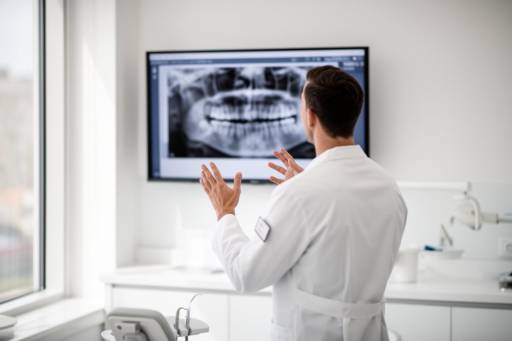
Discussing your smoking habits openly with your oral surgeon is a crucial step toward personalized surgical planning and comprehensive risk assessment. When you provide accurate information about your tobacco use, your surgeon can better evaluate how smoking might specifically impact your planned procedure, taking into account factors such as the type of surgery, your overall health, and any other risk elements.
This open dialogue allows your surgeon to recommend tailored strategies to minimize potential complications. For example, they may suggest enhanced monitoring during your recovery period or propose alternative treatment options that carry lower risks for smokers. Your surgeon might also offer resources or referrals for smoking cessation programs, highlighting the importance of quitting not just for the surgery but for your long-term health.
Being upfront about your smoking habits helps your surgical team anticipate possible complications such as delayed healing or infections and schedule appropriate follow-up care to address these issues promptly. It also fosters a trusting relationship, ensuring that you receive the most appropriate advice and support based on your individual health status.
By collaborating closely with your oral surgeon, you can develop a comprehensive surgical plan that addresses the challenges associated with smoking. This partnership empowers you to take proactive steps to optimize your surgical outcome, reduce risks, and improve your overall oral health through informed decision-making and personalized care.
Long-Term Oral Health Benefits of Quitting Smoking
Quitting smoking offers far-reaching benefits for your oral health that extend well beyond the immediate surgical period. When you stop using tobacco, you significantly reduce your risk of developing serious oral health problems such as gum disease, tooth decay, and various forms of oral cancers. These conditions are closely linked to the harmful effects of smoking on the tissues and immune defenses within your mouth.
One of the key benefits of quitting is the restoration of better blood flow to your gums. Improved circulation enhances the delivery of oxygen and nutrients, which supports stronger immune function and healthier gum tissue. This helps prevent the progression of gum disease, which can otherwise lead to tooth loss and other complications. Additionally, without the constant exposure to tobacco smoke, your teeth are less likely to become stained or accumulate plaque buildup, making it easier to maintain good oral hygiene.
Beyond cosmetic improvements, quitting smoking also boosts your mouth’s natural healing capacity. This means that any future dental treatments, including surgeries, are more likely to have successful outcomes with fewer complications such as infections or delayed healing. The enhanced healing environment helps reduce the risk of chronic inflammation and other issues that can compromise oral health over time.
These oral health improvements also contribute to a healthier overall lifestyle and can enhance your quality of life by reducing discomfort, improving breath, and preserving your natural teeth. The long-term advantages of quitting smoking reinforce why it is one of the most beneficial steps you can take not only to support oral surgery success but also to maintain lifelong oral wellness and prevent serious health problems associated with tobacco use.
Get Support From an Oral and Maxillofacial Surgeon
Answer a few short questions and HealthNode will help you connect with the right oral and maxillofacial surgery specialist.
Symptoms and Urgency
This helps us understand whether you may need routine surgical planning or a higher-priority review.
Previous Tests or Surgical Planning
A few details help the surgeon understand what has already been checked and what type of surgical care may be needed.
Health and Surgery Factors
These details help the specialist understand any factors that may affect surgery, anesthesia, or healing.
Contact information
Your information is only used to contact you and is never shared with third parties.
Your request has been received!
Thank you. If you have dental X-rays, panoramic X-ray, CBCT or 3D scan, CT or MRI, referral notes, pathology reports, implant records, previous surgery records, or photos of swelling or injury, please keep them ready. A HealthNode consultant will guide you through the next step.
Frequently Asked Questions
Q: Can smoking affect the success of my oral surgery?
A: Yes, smoking can significantly impair healing and increase the risk of complications, affecting the overall success of your oral surgery.
Q: How long should I stop smoking before my oral surgery?
A: It is generally recommended to stop smoking at least 1-2 weeks before surgery, but your oral surgeon can provide personalized advice based on your health.
Q: What are the risks if I continue smoking during recovery?
A: Continuing to smoke can lead to delayed healing, higher infection risk, and possible failure of the surgical procedure.
Q: Are there any resources to help me quit smoking before surgery?
A: Yes, your healthcare provider can recommend cessation programs, medications, or support groups to assist you in quitting smoking.
Q: Does quitting smoking improve my oral health long-term?
A: Absolutely, quitting smoking greatly enhances oral health, reduces disease risk, and promotes better healing and overall well-being.
The information provided is for educational purposes only and does not constitute medical advice. Always consult with a healthcare professional for medical guidance specific to your situation.