Table of Contents
What Problems Require Referral to an Oral and Maxillofacial Surgeon?
Referral to an oral and maxillofacial surgeon is necessary when dental or facial conditions require specialized surgical treatment beyond the scope of general dentistry. These surgeons possess advanced training that equips them to manage complex problems involving the mouth, jaws, face, and related structures with precision and expertise.
Common reasons for referral include impacted teeth that cannot erupt properly, jaw misalignment causing functional or aesthetic issues, facial injuries such as fractures or soft tissue trauma, and the presence of cysts or tumors within the oral or facial regions. In such cases, your general dentist may recommend evaluation by an oral and maxillofacial surgeon who can offer expert diagnosis and tailored surgical options.
Understanding when to seek a referral helps ensure you receive timely, appropriate care that addresses the root cause of your condition effectively. Early specialist involvement can prevent complications, reduce pain, and improve long-term outcomes.
Get Support From an Oral and Maxillofacial Surgeon
Answer a few short questions and HealthNode will help you connect with the right oral and maxillofacial surgery specialist.
Symptoms and Urgency
This helps us understand whether you may need routine surgical planning or a higher-priority review.
Previous Tests or Surgical Planning
A few details help the surgeon understand what has already been checked and what type of surgical care may be needed.
Health and Surgery Factors
These details help the specialist understand any factors that may affect surgery, anesthesia, or healing.
Contact information
Your information is only used to contact you and is never shared with third parties.
Your request has been received!
Thank you. If you have dental X-rays, panoramic X-ray, CBCT or 3D scan, CT or MRI, referral notes, pathology reports, implant records, previous surgery records, or photos of swelling or injury, please keep them ready. A HealthNode consultant will guide you through the next step.
Being informed about what to expect from the referral process and specialist consultation can reduce uncertainties and help you prepare mentally and practically for treatment. This includes understanding the types of procedures that may be involved, potential risks, recovery timelines, and postoperative care requirements.
Overall, oral and maxillofacial surgeons play a vital role in managing complex dental and facial conditions, offering patients advanced surgical solutions that promote health, function, and appearance.
Expert Surgical Care by Oral and Maxillofacial Surgeons
An oral and maxillofacial surgeon is a dental specialist who has undergone extensive training in both dentistry and surgery to manage a broad spectrum of conditions affecting the mouth, jaws, face, and neck. After completing dental school, these surgeons typically undertake several years of surgical residency training focused on the diagnosis, surgical treatment, and management of diseases, injuries, and defects in these regions.
Their expertise encompasses a wide range of procedures, including the removal of impacted or problematic teeth such as wisdom teeth, corrective jaw surgery (orthognathic surgery) to address jaw misalignment or deformities, and treatment of facial trauma including fractures of the jaw and facial bones. They also manage cysts, tumors, and infections affecting oral and facial tissues.
In addition to these, oral and maxillofacial surgeons perform complex dental implant placements and reconstructive surgeries to restore form and function after injury or disease. Their specialized surgical training equips them to handle cases that require interventions beyond the scope of general dentistry, ensuring comprehensive care.
The role of an oral and maxillofacial surgeon bridges dental care and surgical treatment, providing patients with expert management of complex oral and facial problems. They work closely with other dental and medical professionals to develop individualized treatment plans that optimize outcomes and patient safety.
Common Dental and Facial Problems Requiring Surgical Expertise
Several dental and facial issues commonly require referral to an oral and maxillofacial surgeon due to their surgical complexity or potential risks if left untreated. Impacted teeth, particularly wisdom teeth that fail to erupt properly, often necessitate surgical extraction to prevent pain, infection, cyst formation, or damage to adjacent teeth and structures.
Facial trauma is another major indication for specialist care. Injuries such as fractures of the jaw, cheekbones, or other facial bones require prompt surgical evaluation and repair to restore both function and appearance. Timely intervention reduces the risk of malunion, infection, and long-term deformity.
Jaw disorders involving misalignment or deformities can significantly impact chewing, speech, and facial aesthetics. Corrective jaw surgery, also known as orthognathic surgery, is often needed to realign the jaws and improve function and appearance.
Cysts and tumors within the jaw or oral tissues also require specialist assessment and surgical removal to prevent complications such as bone destruction or spread of disease. Chronic infections that do not resolve with standard dental treatment, temporomandibular joint disorders causing severe symptoms, and complex dental implant cases involving bone grafting or reconstruction are additional conditions necessitating surgical expertise.
Referral to an oral and maxillofacial surgeon ensures that these complex problems are managed safely and effectively by a specialist trained in advanced surgical techniques tailored to individual patient needs.
Signs and Symptoms Indicating the Need for Specialist Referral
Certain signs and symptoms indicate that your dental or facial problem may require evaluation by an oral and maxillofacial surgeon. Persistent pain or swelling around a tooth could suggest underlying issues such as impaction, infection, or cyst formation that necessitate surgical intervention. These symptoms often do not resolve with routine dental treatment alone.
Difficulty opening your mouth fully, jaw locking, or noticeable changes in how your teeth fit together (bite alignment) may signal temporomandibular joint disorders or jaw abnormalities that require specialist care. These conditions can affect chewing, speech, and overall oral function.
Visible deformities or numbness in the face following trauma should prompt urgent referral to assess for fractures or nerve injury. Recurrent infections that do not respond to antibiotics, unusual lumps or growths in the oral cavity, and unexplained facial pain that persists despite standard dental treatments are also warning signs.
If your general dentist identifies any of these issues or if your condition involves complex surgical needs, they will recommend referral to an oral and maxillofacial surgeon for further evaluation and management. Early specialist assessment helps ensure appropriate treatment is initiated promptly, reducing the risk of complications and improving outcomes.
The Referral Process: What Patients Can Expect
When your general dentist refers you to an oral and maxillofacial surgeon, the process typically begins with a consultation appointment designed to thoroughly evaluate your condition. During this visit, the surgeon will review your complete dental and medical history to identify any factors that may influence treatment options or surgical risks.
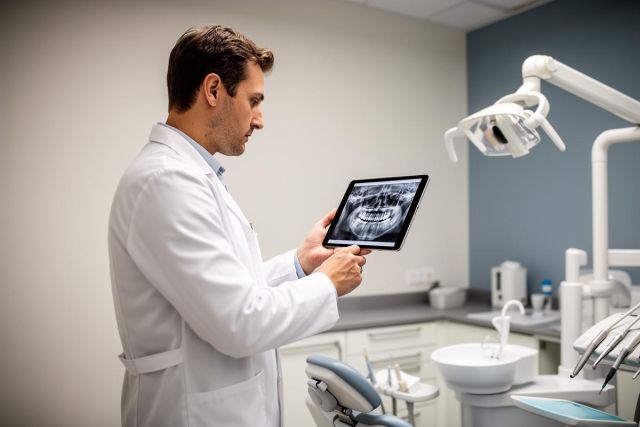
A detailed examination of the affected area will be conducted, which may include assessing jaw movement, facial symmetry, and oral tissues. To gain a comprehensive understanding of the problem, the surgeon may request imaging studies such as X-rays, panoramic radiographs, or advanced scans like CT or cone-beam computed tomography (CBCT). These images help visualize bone structures, tooth positions, and any pathology.
During the consultation, the surgeon will explain the diagnosis in clear terms and discuss possible treatment options, including non-surgical and surgical approaches. They will outline the benefits and potential risks associated with each option, as well as what you can expect during recovery. This discussion allows you to make an informed decision about your care.
You will have the opportunity to ask questions, express concerns, and clarify any uncertainties about the procedure, anesthesia, pain management, and postoperative care. Preparing for the consultation by bringing previous dental records, a list of current medications, and noting any symptoms or questions you have will help facilitate a productive visit.
The referral process ensures you receive specialized care tailored to your unique condition, delivered safely and effectively by a surgeon trained in managing complex oral and facial problems.
Choosing the Right Oral and Maxillofacial Surgeon for Your Needs
Selecting a qualified oral and maxillofacial surgeon is crucial to receiving safe, effective, and personalized treatment for complex dental and facial conditions. Board certification by recognized surgical boards indicates that the surgeon has met rigorous standards of education, training, and clinical competency. Additionally, completion of accredited residency programs ensures comprehensive surgical training.
When choosing a surgeon, patients can begin by asking their general dentist for trusted recommendations or seeking referrals from other healthcare professionals familiar with their specific needs. It is also helpful to research surgeons’ experience with the particular condition or procedure you require, as some surgeons may specialize in areas such as facial trauma, corrective jaw surgery, or dental implants.
Patient reviews and testimonials can provide insight into the surgeon’s communication style, bedside manner, and overall patient satisfaction. During your initial consultation, it is important to ask about the surgeon’s credentials, their approach to treatment planning, pain management options during and after surgery, and the nature of postoperative care and follow-up.
Feeling comfortable and confident with your surgeon fosters trust and can improve treatment outcomes. Consider whether the surgeon takes time to answer your questions thoroughly, explains risks and benefits clearly, and respects your preferences. Ultimately, choosing the right oral and maxillofacial surgeon involves balancing expertise, experience, and personal rapport to support a positive treatment experience and successful recovery.
When to Seek Emergency Care for Facial and Dental Injuries
Certain facial and dental injuries require immediate emergency care from an oral and maxillofacial surgeon to prevent serious complications and preserve function. These include any injury accompanied by significant bleeding that cannot be controlled with basic first aid measures, visible deformity of the face or jaw indicating possible bone displacement, or suspected fractures of the jaw, cheekbones, or other facial bones. Prompt evaluation in these cases is essential to avoid long-term damage.
Other urgent signs warranting emergency care include difficulty breathing or swallowing, which may indicate airway obstruction or swelling; severe pain that is unrelieved by over-the-counter or prescribed pain medications; and loss of sensation or numbness in parts of the face, which could signal nerve injury. Additionally, if there is persistent bleeding from the mouth or nose, or if teeth have been knocked out or displaced, immediate specialist intervention is necessary.
Get Support From an Oral and Maxillofacial Surgeon
Answer a few short questions and HealthNode will help you connect with the right oral and maxillofacial surgery specialist.
Symptoms and Urgency
This helps us understand whether you may need routine surgical planning or a higher-priority review.
Previous Tests or Surgical Planning
A few details help the surgeon understand what has already been checked and what type of surgical care may be needed.
Health and Surgery Factors
These details help the specialist understand any factors that may affect surgery, anesthesia, or healing.
Contact information
Your information is only used to contact you and is never shared with third parties.
Your request has been received!
Thank you. If you have dental X-rays, panoramic X-ray, CBCT or 3D scan, CT or MRI, referral notes, pathology reports, implant records, previous surgery records, or photos of swelling or injury, please keep them ready. A HealthNode consultant will guide you through the next step.
Patients should understand that delaying emergency care after trauma can lead to increased risk of infection, poor healing, permanent nerve damage, or impaired function such as difficulty chewing or speaking. Emergency treatment may involve controlling bleeding, stabilizing fractures, repairing soft tissue injuries, and ensuring the airway remains open.
If you experience any of these symptoms following trauma or dental injury, it is critical to seek emergency medical attention promptly. Early intervention by an oral and maxillofacial surgeon helps ensure timely specialist management, reduces the risk of complications, and improves the chances of achieving the best possible functional and aesthetic outcome.
Frequently Asked Questions
Q: What are common problems that require referral to an oral and maxillofacial surgeon?
A: Common problems include impacted wisdom teeth, facial trauma, jaw misalignment, cysts or tumors in the jaw, and complex facial pain.
Q: How do I know if I need a specialist for my dental issue?
A: If your general dentist recommends it or if your problem involves complex surgical procedures, you should consider seeing an oral and maxillofacial surgeon.
Q: What should I expect during my first consultation with a specialist?
A: The specialist will review your medical and dental history, perform an examination, and discuss potential treatment options.
Q: Are procedures performed by oral and maxillofacial surgeons painful?
A: Most procedures are performed under anesthesia or sedation, minimizing discomfort. Your surgeon will discuss pain management options with you.
Q: How do I find a qualified oral and maxillofacial surgeon?
A: Look for board-certified surgeons with good reviews and referrals from trusted healthcare providers.
Q: When is facial trauma considered an emergency?
A: Any facial injury involving bleeding, deformity, or suspected fracture should be treated as an emergency.
The information provided is for educational purposes only and does not constitute medical advice. Always consult with a healthcare professional for medical guidance specific to your situation.