Table of Contents
Can Orthodontic Treatment Improve Bite Function?
Orthodontic treatment can significantly improve bite function by correcting malocclusions and aligning teeth properly. This improvement enhances not just the appearance of your smile but also your overall oral health. Proper bite alignment helps ensure efficient chewing, reduces jaw strain, and prevents long-term dental problems.
Bite function, also called occlusion, refers to how your upper and lower teeth come together when you close your mouth. When this alignment is off, it can cause discomfort, uneven wear on teeth, and issues such as jaw pain or headaches. Orthodontists use a variety of treatments, including braces and clear aligners, to gradually reposition teeth and improve bite mechanics.
For patients considering orthodontic options, whether locally or abroad, understanding how these treatments work and the benefits they offer is key. Improving bite function goes beyond cosmetic enhancement; it supports dental longevity and comfort in everyday activities like eating and speaking.
Find the Right Orthodontic Treatment for Your Smile
Answer a few short questions and HealthNode will help you connect with the right orthodontist for braces, clear aligners, or bite correction.
Treatment Preferences
This helps us understand which orthodontic option may fit your lifestyle and expectations.
Dental and Bite Details
A few details help the orthodontist understand whether you may need simple alignment, bite correction, or a more detailed treatment plan.
Contact information
Your information is only used to contact you and is never shared with third parties.
Your request has been received!
Thank you. If you have recent dental photos, dental X-rays, panoramic X-ray, cephalometric X-ray, intraoral scan, previous braces or aligner records, retainer records, or orthodontic treatment plans, please keep them ready. A HealthNode consultant will guide you through the next step.
How Bite Function Affects Your Oral Health and Well-being
Bite function involves the way your upper and lower teeth fit together when your jaws close, which is medically termed occlusion. Proper occlusion ensures that your teeth meet correctly to allow for efficient biting, chewing, and speaking. When bite function is compromised, it often results in malocclusion, a condition where the teeth are misaligned.
Malocclusion can negatively impact dental health by causing excessive wear on certain teeth, leading to fractures or decay. It can also contribute to gum disease because crooked or crowded teeth are harder to clean effectively. Jaw muscles may become strained trying to compensate for poor alignment, leading to discomfort or temporomandibular joint (TMJ) problems.
Maintaining proper bite alignment is crucial because it supports the overall function and health of your mouth. This alignment helps distribute chewing forces evenly and reduces the risk of long-term damage to teeth, gums, and jaw joints. Proper occlusion also supports facial aesthetics and speech clarity, which are important for quality of life.
How Orthodontic Treatment Can Correct Bite Issues
Orthodontic treatment aims to correct bite problems by gradually moving teeth into better positions and improving jaw alignment. Common options include traditional metal braces, ceramic braces, and clear aligners. Each method applies controlled pressure over time to shift teeth and adjust bite mechanics.
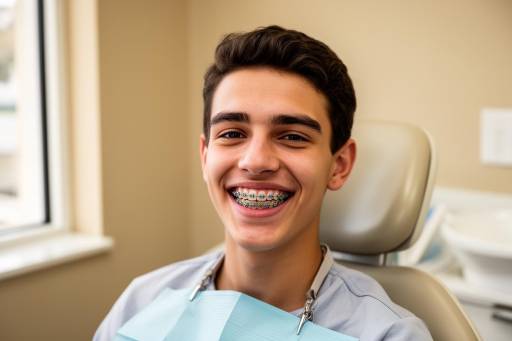
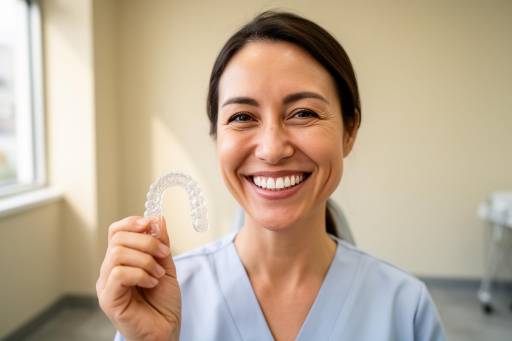
Braces use brackets bonded to teeth connected by wires and sometimes elastic bands to guide teeth movement. Clear aligners are removable plastic trays custom-made to fit your teeth and adjusted periodically to continue aligning them. Both methods can address various bite issues such as overbite, underbite, crossbite, and open bite.
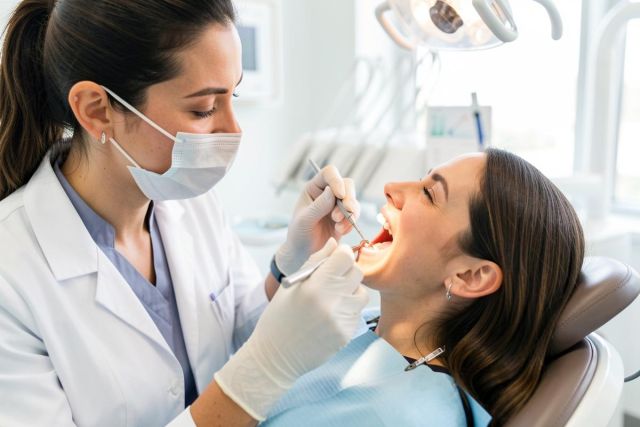
The treatment plan depends on the severity and type of bite problem, as well as patient preferences and lifestyle. Orthodontists will conduct thorough assessments, including X-rays and dental impressions, to design a personalized approach. Over months to years, these treatments improve how your teeth fit together, enhancing function and comfort.
Orthodontic treatment not only straightens teeth but also improves the overall harmony between your teeth and jaws, which is essential for optimal bite function and oral health.
Benefits of Improving Your Bite Beyond Aesthetics
Correcting bite problems offers several health benefits that go beyond the appearance of your smile. One significant advantage is relief from jaw pain and discomfort caused by misaligned teeth or uneven bite forces. Properly aligned teeth reduce strain on the muscles and joints, lowering the risk of temporomandibular joint disorders.
Improved bite function enhances chewing efficiency, which aids digestion and overall nutrition. When your teeth fit together correctly, you can break down food more effectively, making eating more comfortable and less tiring. This also helps prevent uneven wear on teeth surfaces, reducing the likelihood of fractures or sensitivity.
Long-term dental stability is another key benefit. Correcting malocclusion helps preserve your natural teeth and prevent shifting or crowding that could lead to future dental problems. Patients often experience better oral hygiene because straighter teeth are easier to clean thoroughly, reducing cavities and gum disease risk.
Ultimately, orthodontic treatment supports both functional and preventive aspects of dental health, contributing to lasting oral well-being.
Choosing the Right Orthodontic Solution for Your Needs
Selecting the most suitable orthodontic treatment depends on several factors including the type and severity of your bite issues, lifestyle preferences, and budget considerations. Mild bite problems might be effectively addressed with clear aligners, which offer discreet treatment and removability. More complex cases may require traditional braces or specialized orthodontic appliances.
Your daily activities and comfort preferences matter. For example, if you play contact sports or play a musical instrument, certain orthodontic options may be more practical. Additionally, some treatments require more frequent office visits or longer wear times, which should be factored into your decision.
Cost is another consideration. While orthodontic treatment can be a significant investment, many find it cost-effective when considering the health benefits and improved quality of life. Discussing your goals and concerns with an orthodontist helps tailor a personalized treatment plan that fits your needs.
Personalized care ensures that your treatment addresses your unique bite function challenges while aligning with your lifestyle and expectations for the best possible outcomes.
What to Expect During Orthodontic Treatment for Bite Correction
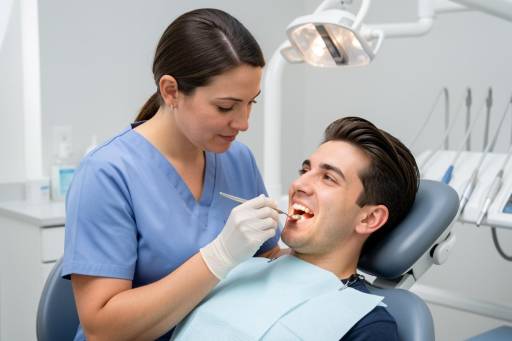
Orthodontic treatment for bite correction typically begins with a comprehensive evaluation including dental impressions, X-rays, and photographs. This allows your orthodontist to develop a customized treatment plan. Once treatment starts, appliances like braces or aligners are fitted, and adjustments are scheduled regularly.
The timeline varies widely but generally ranges from 12 to 24 months depending on the complexity of your bite issues. During this period, you may experience some discomfort as your teeth move, especially after adjustments. This is normal and usually manageable with over-the-counter pain relief.
Regular follow-up visits are essential to monitor progress and make necessary modifications. You will also receive instructions on oral hygiene, diet, and appliance care to support successful treatment.
Understanding this process helps reduce anxiety and prepares you for the commitment involved. With patience and cooperation, the journey can lead to significant improvements in bite function and oral health.
Maintaining Results and Long-term Care After Orthodontics
After completing orthodontic treatment, maintaining your improved bite function is crucial to prevent relapse. Retainers are commonly prescribed to hold teeth in their new positions while surrounding tissues stabilize. These may be removable or fixed, depending on your specific needs.
Consistent retainer use as directed by your orthodontist is vital for long-term success. Additionally, regular dental check-ups and cleanings help monitor your oral health and catch any issues early.
Good oral hygiene practices remain important to protect your teeth and gums. Avoiding habits like nail biting or chewing on hard objects also supports the durability of your treatment outcomes.
Find the Right Orthodontic Treatment for Your Smile
Answer a few short questions and HealthNode will help you connect with the right orthodontist for braces, clear aligners, or bite correction.
Treatment Preferences
This helps us understand which orthodontic option may fit your lifestyle and expectations.
Dental and Bite Details
A few details help the orthodontist understand whether you may need simple alignment, bite correction, or a more detailed treatment plan.
Contact information
Your information is only used to contact you and is never shared with third parties.
Your request has been received!
Thank you. If you have recent dental photos, dental X-rays, panoramic X-ray, cephalometric X-ray, intraoral scan, previous braces or aligner records, retainer records, or orthodontic treatment plans, please keep them ready. A HealthNode consultant will guide you through the next step.
Long-term maintenance ensures that the benefits of orthodontic care, from improved bite function to enhanced dental health, endure well beyond the active treatment phase.
Frequently Asked Questions
Q: Can orthodontic treatment completely fix my bite issues?
A: Orthodontic treatment can significantly improve bite function and correct many types of malocclusion. However, the extent of correction varies by individual case. Consulting with an orthodontist provides personalized information about what results you can expect.
Q: How long does orthodontic treatment for bite correction typically take?
A: The typical duration ranges from 12 to 24 months depending on the severity of your bite problem. Your orthodontist will give you a more precise timeline based on your specific treatment plan.
Q: Are there any non-brace options for improving bite function?
A: Yes, clear aligners and functional appliances serve as alternatives for many patients, especially those with mild to moderate bite issues. These options can be more discreet and convenient but may not suit all cases.
Q: Is orthodontic treatment safe for adults?
A: Orthodontic treatment is safe and effective for adults. Many adults achieve excellent bite correction results, and there are no upper age limits for orthodontic care as long as oral health is maintained.
Q: Will I need to wear retainers after treatment?
A: Wearing retainers post-treatment is generally recommended to maintain your new bite alignment and prevent teeth from shifting back. Your orthodontist will advise you on the type and duration of retainer use appropriate for you.
The information provided is for educational purposes only and does not constitute medical advice. Always consult with a healthcare professional for medical guidance specific to your situation.