Table of Contents
How Is Orthodontic Treatment Planned?
Orthodontic treatment planning begins with a thorough and methodical assessment designed to understand your unique dental structure and identify any alignment or bite issues. Your orthodontist uses this foundational information to develop a personalized treatment plan aimed at achieving optimal tooth alignment and correcting bite problems. This careful planning process ensures that your treatment is both effective and specifically tailored to meet your individual needs and goals.
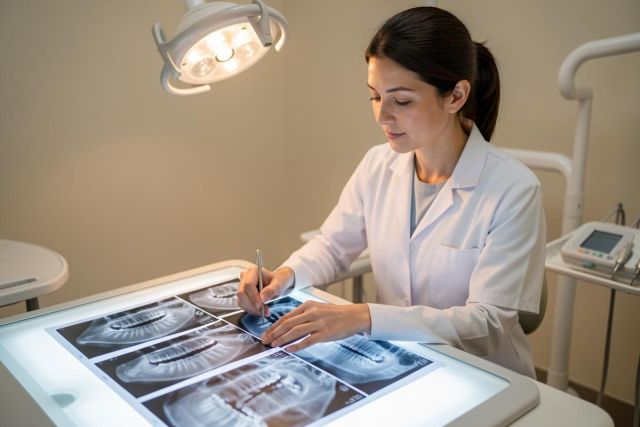
The initial steps in this process include gathering your comprehensive dental and medical history, which helps identify any factors that could influence treatment choices or outcomes. Clinical examinations provide a direct evaluation of your teeth, gums, and jaw function. Advanced imaging techniques such as X-rays and digital scans then provide detailed views of your teeth and jaw alignment, revealing aspects not visible during a standard examination.
These diagnostic tools enable your orthodontist to make informed decisions about the most appropriate appliances and the expected duration of treatment. Understanding the comprehensive nature of this planning process can help you feel more confident and informed as you embark on your orthodontic journey.
Find the Right Orthodontic Treatment for Your Smile
Answer a few short questions and HealthNode will help you connect with the right orthodontist for braces, clear aligners, or bite correction.
Treatment Preferences
This helps us understand which orthodontic option may fit your lifestyle and expectations.
Dental and Bite Details
A few details help the orthodontist understand whether you may need simple alignment, bite correction, or a more detailed treatment plan.
Contact information
Your information is only used to contact you and is never shared with third parties.
Your request has been received!
Thank you. If you have recent dental photos, dental X-rays, panoramic X-ray, cephalometric X-ray, intraoral scan, previous braces or aligner records, retainer records, or orthodontic treatment plans, please keep them ready. A HealthNode consultant will guide you through the next step.
Being aware of what to expect, from initial assessment through to treatment customization, empowers you to actively participate in your care. It also helps you maintain realistic expectations regarding treatment milestones and outcomes, contributing to better cooperation and satisfaction throughout the process.
Key Steps in the Initial Orthodontic Assessment
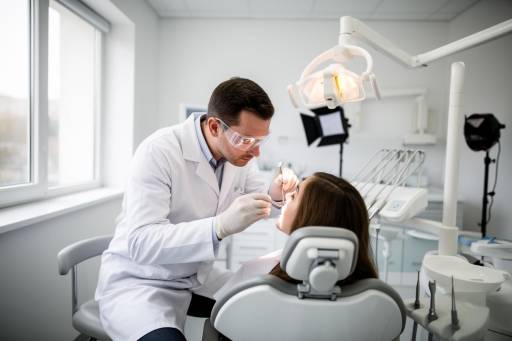
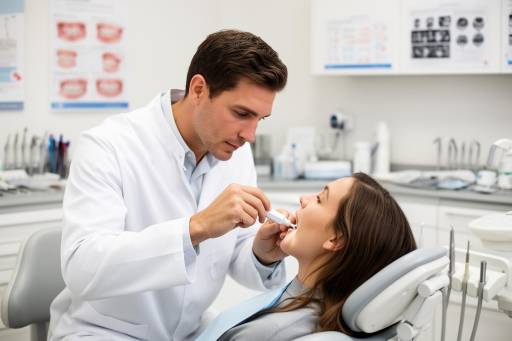
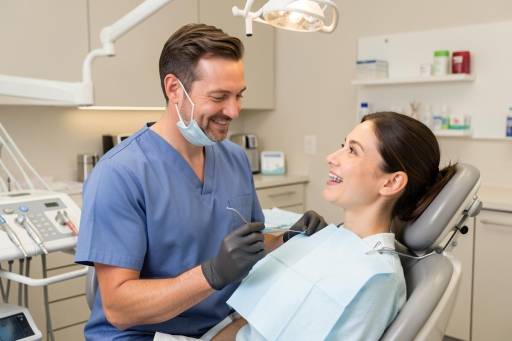
The initial orthodontic consultation is a critical first step in the treatment planning process. It involves a detailed clinical examination and a thorough review of your patient history to gather essential information. During this visit, your orthodontist will carefully evaluate the alignment of your teeth, the position of your jaws, and how your bite functions. This comprehensive assessment helps determine whether orthodontic treatment is necessary and, if so, what type of treatment would be most appropriate.
In addition to examining your dental structures, your orthodontist will consider any existing dental or medical conditions that might affect your treatment options or outcomes. For example, conditions such as gum disease, missing teeth, or temporomandibular joint disorders may require special attention or coordination with other healthcare providers.
This initial visit also provides an opportunity for you to discuss your concerns and treatment goals. Your orthodontist will listen carefully to understand your expectations and lifestyle factors, such as your work schedule or extracurricular activities. This collaborative approach ensures that the treatment plan developed aligns well with your personal preferences and needs.
The initial assessment is foundational because it helps detect any underlying issues, such as impacted teeth, jaw discrepancies, or skeletal abnormalities, that may require specialized treatment strategies. It also establishes a baseline against which your progress can be monitored throughout the course of treatment.
By starting with a comprehensive and individualized assessment, your orthodontist can design a treatment strategy that is both effective and safe, tailored to address your specific orthodontic challenges while minimizing risks and maximizing long-term benefits.
Diagnostic Tools and Imaging in Orthodontics
Diagnostic tools play a crucial role in capturing a precise and comprehensive image of your dental anatomy, which is essential for formulating an effective orthodontic treatment plan. Among the most common imaging techniques used are panoramic and cephalometric X-rays. Panoramic X-rays provide a broad view of your entire mouth, including the position of your teeth, roots, and jawbones, while cephalometric X-rays offer a side profile view that helps evaluate jaw relationships and facial structure. These images allow your orthodontist to assess bone structure, tooth root health, and detect any abnormalities such as impacted teeth or skeletal discrepancies.
In addition to traditional radiographs, digital scans and photographs are frequently utilized to create detailed three-dimensional models of your teeth and bite. These 3D models enable your orthodontist to perform in-depth analyses and simulate potential treatment outcomes with greater accuracy. The use of digital technology enhances precision in diagnosis and appliance fabrication, often resulting in more predictable and efficient treatment compared to conventional impressions.
Each diagnostic method contributes valuable information that influences critical decisions such as the selection of orthodontic appliances, the timing of treatment initiation, and the anticipated duration. By integrating multiple imaging techniques, your orthodontist gains a holistic understanding of your dental condition, which is vital for developing a customized and effective treatment plan.
It is important to note that these diagnostic procedures are generally safe, with radiation exposure minimized through modern equipment and protective measures. Your orthodontist will explain the purpose and benefits of each diagnostic tool to ensure you are comfortable and informed throughout the process.
Developing a Personalized Treatment Plan
After collecting comprehensive diagnostic data, your orthodontist develops a treatment plan that is specifically tailored to your unique dental needs and lifestyle considerations. This personalized plan outlines the most suitable type of orthodontic appliances for you, whether that be traditional metal braces, ceramic braces, clear aligners, or other specialized devices. The choice depends on factors such as the complexity of your dental misalignment, aesthetic preferences, and your daily routine.
The estimated duration of treatment is carefully calculated by considering the severity of your malocclusion and your individual biological response to tooth movement. Your orthodontist will explain the expected outcomes and key milestones throughout the treatment timeline, helping you understand what to anticipate during each phase. This transparency allows you to plan accordingly and stay motivated.
Customization also involves taking into account your personal preferences and any constraints you may have. For example, if you have concerns about the visibility of braces due to professional or social reasons, your orthodontist can recommend less conspicuous options. Scheduling limitations or lifestyle factors, such as travel or sports participation, are also considered to ensure that the treatment plan is practical and minimally disruptive.
By tailoring the treatment to your specific needs and circumstances, the orthodontist aims to make your experience as comfortable and efficient as possible. This approach not only enhances your satisfaction but also contributes to achieving the best functional and cosmetic results, ultimately improving your oral health and confidence.
Patient Education and Setting Expectations
Clear and open communication between you and your orthodontist is vital for ensuring a successful treatment experience from start to finish. During your consultations, your orthodontist will provide detailed information about the various treatment options available, including the advantages and limitations of each. This includes discussing potential challenges you may encounter, such as managing discomfort during initial appliance placement or after adjustments, as well as the importance of maintaining excellent oral hygiene throughout treatment.
Understanding your responsibilities, such as proper cleaning techniques for braces or aligners and avoiding certain foods that could damage appliances, empowers you to take an active role in your treatment. This involvement is crucial because patient compliance significantly influences treatment outcomes and duration. Additionally, setting realistic expectations about possible discomfort, the frequency and nature of adjustment visits, and the overall length of treatment can help reduce anxiety and improve your willingness to follow instructions.
Informed consent is a key component of this educational process. It ensures that you agree to the treatment plan with a full understanding of the anticipated benefits as well as the potential risks or side effects. This dialogue fosters trust between you and your orthodontist and empowers you to make decisions that best suit your health needs and lifestyle preferences.
Patient education also often includes guidance on what to expect during each phase of treatment, how to manage minor issues at home, and when to seek professional advice. This comprehensive approach not only enhances your confidence but also contributes to a smoother and more predictable treatment journey.
Monitoring and Adjusting the Treatment Plan
Orthodontic treatment is a dynamic process that requires ongoing monitoring to ensure that the progress aligns closely with the initial treatment plan. Regular follow-up visits are essential, as they allow your orthodontist to carefully assess how your teeth are moving and to determine whether any adjustments to your appliances are necessary. These appointments provide an opportunity to identify and address any issues that may arise during treatment, such as discomfort, irritation, or unexpected changes in dental alignment.
Adjustments to orthodontic appliances, whether braces or aligners, are critical to optimizing treatment efficiency. They help maintain the appropriate forces needed to guide teeth into their desired positions while minimizing potential side effects. For example, if a patient experiences excessive soreness or if teeth are not moving as expected, the orthodontist can modify the treatment approach to improve comfort and effectiveness.
Find the Right Orthodontic Treatment for Your Smile
Answer a few short questions and HealthNode will help you connect with the right orthodontist for braces, clear aligners, or bite correction.
Treatment Preferences
This helps us understand which orthodontic option may fit your lifestyle and expectations.
Dental and Bite Details
A few details help the orthodontist understand whether you may need simple alignment, bite correction, or a more detailed treatment plan.
Contact information
Your information is only used to contact you and is never shared with third parties.
Your request has been received!
Thank you. If you have recent dental photos, dental X-rays, panoramic X-ray, cephalometric X-ray, intraoral scan, previous braces or aligner records, retainer records, or orthodontic treatment plans, please keep them ready. A HealthNode consultant will guide you through the next step.
Progress assessments also serve to keep the treatment on track toward achieving the desired results within the estimated timeframe. However, it is important to recognize that individual responses to orthodontic forces can vary widely due to biological factors such as bone density and tissue response. Because of this variability, flexibility in the treatment plan is crucial. Your orthodontist will continuously evaluate your progress and adapt the plan as needed to maintain both the effectiveness and safety of your treatment journey.
This ongoing process of monitoring and adjustment not only enhances the likelihood of achieving optimal alignment and bite correction but also helps prevent complications such as root resorption or gum irritation. By maintaining open communication with your orthodontist and attending all scheduled visits, you contribute significantly to the success and long-term stability of your orthodontic treatment.
Frequently Asked Questions
Q: How long does orthodontic treatment planning usually take?
A: Orthodontic treatment planning typically occurs over one to two consultations. The initial assessment and diagnostic imaging can be completed in one visit, while the development of a personalized plan may take additional time for analysis. Overall, planning is usually completed within a few weeks before treatment begins.
Q: What factors influence the orthodontic treatment plan?
A: Several factors affect the treatment plan including the severity of dental misalignment, jaw structure, patient age, oral health status, and personal preferences. Diagnostic results and lifestyle considerations also guide appliance selection and treatment duration.
Q: Can treatment plans change during orthodontic care?
A: Yes, treatment plans may be adjusted based on how your teeth respond to the appliances. Regular monitoring allows orthodontists to modify the plan to improve effectiveness and address any challenges that arise during the process.
Q: How should I prepare for my initial orthodontic consultation?
A: Bring your dental and medical history records if available, and be ready to discuss your concerns and goals. Good oral hygiene before the visit helps the orthodontist perform a thorough examination. Being open about your expectations ensures a treatment plan that fits your needs.
The information provided is for educational purposes only and does not constitute medical advice. Always consult with a healthcare professional for medical guidance specific to your situation.