Table of Contents
How Is the Right Orthodontic Treatment Selected?
Choosing the right orthodontic treatment depends on a thorough evaluation of your dental condition, lifestyle, and personal preferences combined with professional guidance from an orthodontist. This selection process ensures that the treatment plan is tailored to your specific needs, ultimately achieving effective correction of dental misalignment while fitting your daily life.
Orthodontic treatment options vary widely, including traditional braces, clear aligners, and lingual braces, each offering distinct benefits and limitations. Factors such as the severity of your dental issues, age, budget, and aesthetic concerns play critical roles in determining the most suitable approach.
Understanding these treatment options and the considerations involved can empower you to engage in meaningful conversations with your orthodontist. This collaborative approach leads to a personalized treatment plan that balances clinical needs with your preferences and lifestyle, setting you up for a successful orthodontic journey.
Find the Right Orthodontic Treatment for Your Smile
Answer a few short questions and HealthNode will help you connect with the right orthodontist for braces, clear aligners, or bite correction.
Treatment Preferences
This helps us understand which orthodontic option may fit your lifestyle and expectations.
Dental and Bite Details
A few details help the orthodontist understand whether you may need simple alignment, bite correction, or a more detailed treatment plan.
Contact information
Your information is only used to contact you and is never shared with third parties.
Your request has been received!
Thank you. If you have recent dental photos, dental X-rays, panoramic X-ray, cephalometric X-ray, intraoral scan, previous braces or aligner records, retainer records, or orthodontic treatment plans, please keep them ready. A HealthNode consultant will guide you through the next step.
Exploring the Main Types of Orthodontic Treatments
Orthodontic treatments primarily include traditional metal braces, clear aligners, and lingual braces, each designed to address dental misalignment but differing in application and visibility. Traditional metal braces use brackets and wires to gradually move teeth into alignment and are highly effective for a wide range of cases, including complex ones. They are visible but often the most cost-effective and reliable option.
Clear aligners are transparent, removable trays custom-made to fit your teeth. They offer a discreet alternative and are popular among adults and teens who prioritize aesthetics and convenience. However, they may not be suitable for severe orthodontic problems and require patient discipline to wear them consistently.
Lingual braces are similar to traditional braces but are placed on the inner surfaces of the teeth, making them virtually invisible from the outside. This option combines the effectiveness of braces with the benefit of being hidden but can be more expensive and may cause initial speech or comfort challenges.
Each orthodontic option has advantages and limitations that should be weighed based on your dental needs, lifestyle, and budget. Discussing these options with your orthodontist helps clarify which treatment aligns best with your goals and oral health.
Factors to Consider When Choosing Orthodontic Treatment
Several critical factors influence how the right orthodontic treatment is selected for you. Age plays an important role because some treatments are more effective or easier to manage at certain life stages. For example, children and teenagers may respond well to traditional braces, while adults often prefer less visible options like clear aligners or lingual braces.
The severity of misalignment is another key consideration. Complex cases involving significant bite issues or tooth movement often require traditional braces or lingual braces for precise control, while mild to moderate misalignments might be well-managed with clear aligners.
Lifestyle factors, including your daily routine, job requirements, and personal preferences, impact treatment choice. If you prefer minimal disruption and value aesthetics, clear aligners might be suitable. However, if consistent appliance wear is a concern, fixed braces ensure continuous treatment without reliance on patient compliance.
Budget also influences decision-making as costs vary between treatment types. Traditional braces tend to be more affordable, whereas lingual braces and clear aligners generally come with higher price tags. It’s essential to balance cost considerations with expected outcomes and comfort.
Taking these factors together enables a comprehensive evaluation that guides you and your orthodontist in choosing the treatment best suited to your unique needs.
The Role of Professional Consultation in Treatment Planning
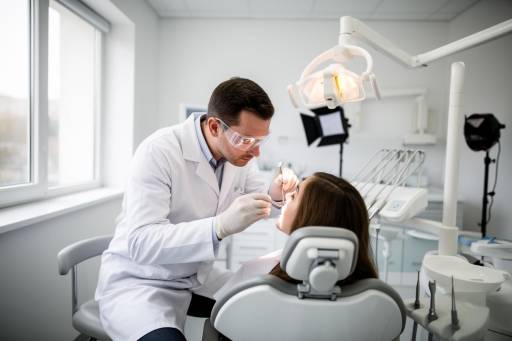
Consulting with a qualified orthodontist is essential for selecting the right orthodontic treatment. A professional assessment provides a detailed evaluation of your dental structure, bite alignment, and overall oral health, which informs the most effective treatment options.
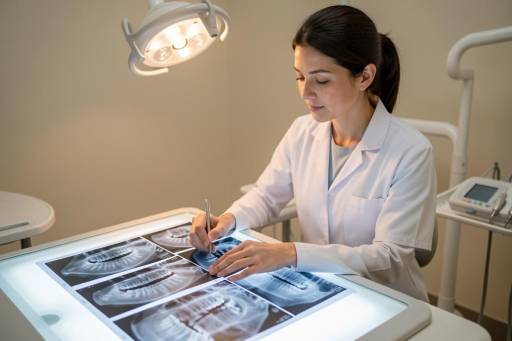
During the consultation, the orthodontist will often use diagnostic tools such as X-rays, photographs, and dental impressions or digital scans to understand the precise nature of your misalignment. This comprehensive assessment helps in crafting a personalized treatment plan tailored to your specific dental needs and lifestyle preferences.
Professional guidance also includes discussing the pros and cons of each treatment option, expected duration, maintenance requirements, and potential discomforts. This transparency helps you set realistic expectations and prepares you for the orthodontic journey ahead.
Your orthodontist’s expertise ensures that your treatment plan balances clinical effectiveness with your personal goals, fostering confidence and cooperation throughout the process. Engaging openly with your provider allows adjustments and optimization of your care as treatment progresses.
Comparing Costs and Treatment Durations
Orthodontic treatment costs and durations vary widely depending on the type of treatment chosen and the complexity of your case. Traditional braces usually have a moderate cost and are effective for a broad range of orthodontic issues, with treatment durations typically ranging from 18 to 36 months.
Clear aligners often come at a higher price and are popular for their discreet appearance and removability. Treatment time with aligners can be shorter in some cases, often between 12 to 24 months, but depends heavily on patient compliance. Lingual braces tend to be the most expensive option due to their customized placement and complexity, with treatment durations similar to traditional braces.
| Orthodontic Treatment Type | Typical Cost Range | Average Treatment Duration |
|---|---|---|
| Traditional Braces | Moderate | 18–36 months |
| Clear Aligners | Higher | 12–24 months |
| Lingual Braces | Highest | 18–36 months |
Financial considerations should include not only the upfront cost but also potential follow-up visits, adjustments, and retention appliances after active treatment. Understanding these factors helps you plan realistically and choose a treatment path that fits both your budget and lifestyle.
Preparing for Your Orthodontic Journey: What to Expect
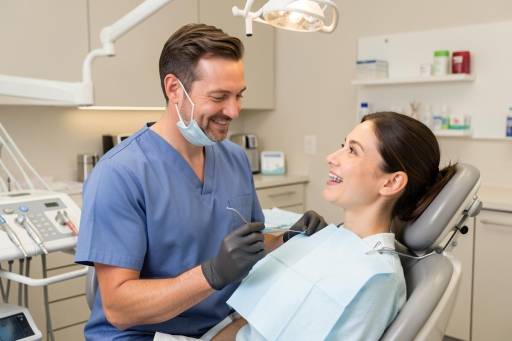
Starting orthodontic treatment begins with an initial assessment that includes a detailed oral examination and diagnostic imaging to map out your dental structure. This phase sets the foundation for a customized treatment plan tailored to your needs.
Treatment planning involves reviewing your options, discussing the expected outcomes, timeline, and any lifestyle adjustments necessary. Your orthodontist will explain how to care for your appliances and manage any discomfort during treatment.
Once the plan is finalized, the placement of your orthodontic appliances begins, whether that is fitting braces or providing your first set of clear aligners. You will receive guidance on maintenance, oral hygiene, and scheduling follow-up visits to monitor progress.
Throughout the process, communication with your orthodontist is key to addressing concerns and ensuring the treatment stays on track. Being prepared helps you navigate the journey confidently and achieve the best possible results.
Find the Right Orthodontic Treatment for Your Smile
Answer a few short questions and HealthNode will help you connect with the right orthodontist for braces, clear aligners, or bite correction.
Treatment Preferences
This helps us understand which orthodontic option may fit your lifestyle and expectations.
Dental and Bite Details
A few details help the orthodontist understand whether you may need simple alignment, bite correction, or a more detailed treatment plan.
Contact information
Your information is only used to contact you and is never shared with third parties.
Your request has been received!
Thank you. If you have recent dental photos, dental X-rays, panoramic X-ray, cephalometric X-ray, intraoral scan, previous braces or aligner records, retainer records, or orthodontic treatment plans, please keep them ready. A HealthNode consultant will guide you through the next step.
Frequently Asked Questions
Q: What factors determine the best orthodontic treatment for me?
A: The best orthodontic treatment depends on your age, the severity of your dental misalignment, lifestyle preferences, and budget. A professional orthodontic consultation is crucial to evaluate these factors and create a personalized plan.
Q: Are clear aligners suitable for severe orthodontic cases?
A: Clear aligners are typically effective for mild to moderate misalignments. Severe or complex cases often require traditional or lingual braces for more precise tooth movement.
Q: How long does orthodontic treatment usually take?
A: Treatment duration varies by type and complexity but generally ranges from 12 to 36 months. Your orthodontist will provide a more accurate timeline based on your specific condition.
Q: Will my insurance cover the cost of orthodontic treatment?
A: Insurance coverage for orthodontic treatment varies widely. It is best to check directly with your provider and orthodontic office to understand what costs may be covered.
Q: What should I expect during my first orthodontic consultation?
A: During your first consultation, the orthodontist will examine your teeth, take diagnostic images, and discuss your treatment options. This visit helps establish a tailored treatment plan and answers your questions.
The information provided is for educational purposes only and does not constitute medical advice. Always consult with a healthcare professional for medical guidance specific to your situation.