Table of Contents
How Often Are Orthodontic Appointments Needed?
Orthodontic appointments are generally scheduled every four to eight weeks during active treatment to monitor progress and make necessary adjustments. This schedule helps ensure that your orthodontic treatment stays on track and achieves the best possible results by allowing your orthodontist to respond promptly to how your teeth are moving. The exact frequency depends on your individual treatment plan, the type of appliances used, and your unique dental needs.
Regular visits allow your orthodontist to assess how your teeth are moving, tighten braces or change aligners, and address any concerns you might have about discomfort, appliance fit, or oral hygiene. Sticking to this schedule is important because it helps prevent complications such as unwanted tooth movement, appliance damage, or prolonged treatment time, keeping your treatment timeline predictable and efficient.
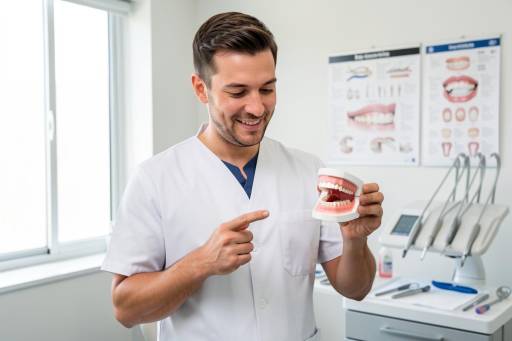
Understanding what to expect from your orthodontic appointments can help you prepare mentally and physically for the process. Knowing that adjustments may cause temporary discomfort or that you will need to maintain good oral hygiene can set realistic expectations. Open communication with your orthodontist is key to tailoring your treatment schedule to your unique needs and ensuring a smooth journey toward a healthier, more aligned smile. Being informed and proactive can reduce anxiety and improve your overall experience throughout your orthodontic care.
Find the Right Orthodontic Treatment for Your Smile
Answer a few short questions and HealthNode will help you connect with the right orthodontist for braces, clear aligners, or bite correction.
Treatment Preferences
This helps us understand which orthodontic option may fit your lifestyle and expectations.
Dental and Bite Details
A few details help the orthodontist understand whether you may need simple alignment, bite correction, or a more detailed treatment plan.
Contact information
Your information is only used to contact you and is never shared with third parties.
Your request has been received!
Thank you. If you have recent dental photos, dental X-rays, panoramic X-ray, cephalometric X-ray, intraoral scan, previous braces or aligner records, retainer records, or orthodontic treatment plans, please keep them ready. A HealthNode consultant will guide you through the next step.
Typical Schedule of Orthodontic Appointments During Treatment
Most patients visit their orthodontist approximately every four to eight weeks during active treatment. These appointments are crucial for adjusting braces, changing wires, or providing new aligners to guide your teeth into their desired positions. Early in treatment, visits might be more frequent to initiate movement or address specific concerns such as discomfort or appliance issues. As your teeth begin to align and treatment progresses, the intervals between visits may lengthen slightly to accommodate slower adjustments.
The treatment timeline varies depending on the complexity of your case but typically lasts between 12 to 24 months. Throughout this period, consistent appointments help monitor your progress and make timely modifications to your treatment plan. Your orthodontist will also check for any issues such as discomfort, appliance damage, or oral hygiene concerns during each visit to ensure your treatment remains safe and effective.
After active treatment concludes, follow-up visits become less frequent but remain important. Your orthodontist will schedule these to ensure your teeth remain stable, often involving retainer checks and adjustments. Maintaining this schedule supports long-term success and prevents relapse, which can occur if retainers are not used properly or if follow-up care is neglected.
It is important to understand that orthodontic treatment is a dynamic process requiring ongoing evaluation and care. Your commitment to attending regular appointments and following your orthodontist’s recommendations plays a significant role in achieving and maintaining the best possible results for your smile and oral health.
Factors Influencing Appointment Frequency
The frequency of orthodontic appointments depends on several individual factors that your orthodontist considers when designing your treatment plan. Age plays a role because younger patients, such as children and adolescents, may experience faster tooth movement due to more active bone remodeling. This sometimes requires more frequent visits to monitor progress and make timely adjustments. Meanwhile, adults might have longer intervals between appointments depending on factors like bone density, overall health, and treatment goals.
The type of orthodontic treatment also affects scheduling. For example, traditional braces usually require monthly tightening and adjustments to wires and brackets, whereas clear aligner therapy involves periodic delivery of new aligners and progress checks, often every four to six weeks. More complex cases involving additional appliances, such as expanders or headgear, or surgical interventions may necessitate closer monitoring with more frequent visits.
Severity of dental issues influences how often adjustments are needed. A more complicated bite, significant crowding, or severe misalignment may require shorter intervals between visits to carefully control tooth movement and minimize risks. Your orthodontist will design a personalized schedule based on these factors to optimize your treatment effectiveness and comfort.
Other considerations include your oral hygiene status, compliance with appliance use, and any unexpected issues that arise during treatment. Open communication with your orthodontist about your lifestyle and preferences can also influence appointment frequency, helping to balance treatment efficiency with your convenience and comfort.
Preparing for Your Orthodontic Visits: Tips for Patients
Preparation can make your orthodontic appointments more productive and comfortable, contributing to a smoother treatment experience. Before each visit, ensure your teeth are thoroughly clean by brushing and flossing well. This helps your orthodontist assess your oral health accurately and prevents complications such as plaque buildup or gum inflammation, which can interfere with treatment.
Bring a list of any questions or concerns you have about your treatment or symptoms you may be experiencing, such as discomfort, appliance issues, or changes in your bite. This helps your orthodontist address issues promptly and tailor care to your needs, ensuring that your treatment plan remains appropriate and effective.
Also, follow any specific instructions provided for the appointment, such as avoiding certain foods, medications, or behaviors that could affect your orthodontic appliances or oral health. For example, some orthodontists recommend avoiding hard or sticky foods before appointments to prevent appliance damage.
Between visits, maintain your appliances carefully by cleaning them as instructed and avoiding behaviors that could cause damage. Report any damage, unusual discomfort, or changes in fit as soon as possible to prevent delays or complications in your treatment.
Staying engaged and informed about your treatment plan empowers you to get the most out of each appointment and supports successful outcomes. Being proactive in your care helps build a collaborative relationship with your orthodontist and contributes to a more positive overall experience.
What to Expect During Orthodontic Appointments
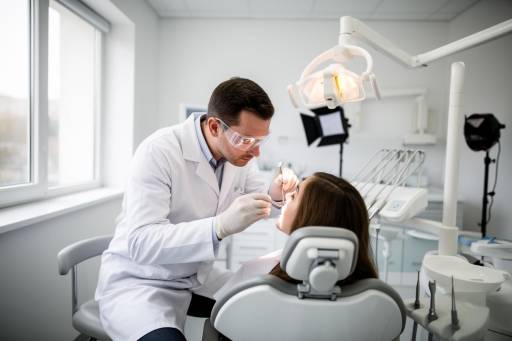
During your orthodontic visits, your orthodontist will perform a series of routine procedures tailored to the stage of your treatment and your individual needs. These often include tightening or replacing wires, adjusting brackets, or providing new sets of clear aligners. Such adjustments are carefully designed to guide your teeth gradually into their proper position, ensuring controlled and predictable movement.
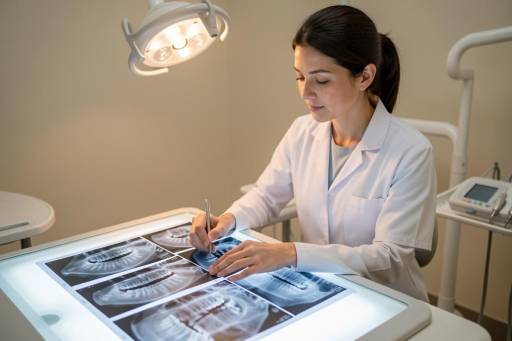
Progress is carefully assessed through clinical examination and sometimes imaging techniques such as X-rays or photographs to ensure your treatment is advancing as planned. Your orthodontist may discuss your treatment timeline and any changes needed based on your response to therapy, including potential modifications to appliance settings or treatment goals.
If you have concerns such as pain, appliance breakage, difficulty with oral hygiene, or any other discomfort, your orthodontist will address these during the appointment. These visits provide a valuable opportunity to clarify expectations, discuss any challenges you are experiencing, and receive professional advice tailored to your situation. This ongoing communication helps reduce anxiety, build confidence in your care, and encourages adherence to treatment protocols.
It is important to understand that some discomfort or soreness is normal after adjustments, but severe pain or appliance damage should be reported promptly. Your orthodontist can provide guidance on managing minor discomfort and recommend solutions if appliances are causing issues. Overall, these appointments are essential checkpoints that keep your treatment on track while supporting your comfort and oral health throughout the process.
Long-term Commitment and Follow-up Care
Orthodontic treatment does not end when braces come off or aligner therapy concludes. Follow-up visits are essential to maintain the results achieved and to ensure that the alignment and positioning of your teeth remain stable over time. These appointments typically focus on monitoring retainer fit and function since retainers play a key role in preventing teeth from shifting back to their original positions. Without proper retainer use and regular check-ups, there is a risk that teeth may gradually move, undermining the time and effort invested in treatment.
Your orthodontist will schedule retainer check-ups at regular intervals, which may start monthly or every few months and then become annual once stability is confirmed. These visits also provide an opportunity to address any issues with your retainer, such as wear, damage, or discomfort, as well as to evaluate your overall oral health. If you experience any changes in fit or notice your teeth shifting, it is important to communicate this promptly to your orthodontist.
Long-term commitment to follow-up care ensures your beautiful new smile lasts a lifetime. Staying consistent with these appointments is one of the best investments you can make in your dental health, as it helps maintain the function and aesthetics of your teeth. Additionally, these visits allow your orthodontist to monitor for any other dental concerns that may arise, providing a comprehensive approach to your oral well-being. Understanding that retention is an ongoing process rather than a one-time event can help set realistic expectations and encourage adherence to your orthodontist’s recommendations.
Find the Right Orthodontic Treatment for Your Smile
Answer a few short questions and HealthNode will help you connect with the right orthodontist for braces, clear aligners, or bite correction.
Treatment Preferences
This helps us understand which orthodontic option may fit your lifestyle and expectations.
Dental and Bite Details
A few details help the orthodontist understand whether you may need simple alignment, bite correction, or a more detailed treatment plan.
Contact information
Your information is only used to contact you and is never shared with third parties.
Your request has been received!
Thank you. If you have recent dental photos, dental X-rays, panoramic X-ray, cephalometric X-ray, intraoral scan, previous braces or aligner records, retainer records, or orthodontic treatment plans, please keep them ready. A HealthNode consultant will guide you through the next step.
Frequently Asked Questions
Q: How often will I need to visit my orthodontist during treatment?
A: Typically, visits are scheduled every 4 to 8 weeks, but this can vary based on individual treatment plans.
Q: Can my appointment schedule change during treatment?
A: Yes, your orthodontist may adjust the frequency of visits depending on your progress and specific needs.
Q: What should I do if I experience discomfort between appointments?
A: Contact your orthodontist promptly to discuss your symptoms and get advice on managing discomfort.
Q: Are follow-up visits necessary after my braces are removed?
A: Yes, follow-up appointments are important to monitor retainer fit and ensure long-term results.
Q: How can I prepare for my orthodontic appointments?
A: Keep your teeth clean, note any concerns or questions, and follow any specific instructions from your orthodontist.
The information provided is for educational purposes only and does not constitute medical advice. Always consult with a healthcare professional for medical guidance specific to your situation.