Table of Contents
Is There an Age Limit for Orthodontic Treatment?
Orthodontic treatment is no longer confined to a specific age group; there is no strict upper or lower age limit for receiving orthodontic care. People of virtually any age, from children and teenagers to adults and seniors, can benefit from orthodontic interventions. Advances in dental technology, materials, and treatment options have made it possible for older patients to achieve improved dental health, function, and aesthetics effectively and comfortably.
Orthodontic treatment involves the correction of misaligned teeth and jaws to enhance bite function, facial appearance, and overall oral health. Traditionally associated with adolescents, orthodontics is increasingly sought by adults who wish to address long-standing dental issues, improve their smile, or resolve functional problems such as difficulty chewing or jaw discomfort. The benefits of orthodontic treatment at any age include better bite alignment, reduced risk of dental diseases like cavities and gum disease, and enhanced self-confidence.
Understanding how age factors into treatment planning is important for making informed decisions about care. Your orthodontist will evaluate your individual dental health status, bone quality, gum health, and personal goals to recommend the most appropriate treatment approach tailored to your needs, regardless of your age.
Find the Right Orthodontic Treatment for Your Smile
Answer a few short questions and HealthNode will help you connect with the right orthodontist for braces, clear aligners, or bite correction.
Treatment Preferences
This helps us understand which orthodontic option may fit your lifestyle and expectations.
Dental and Bite Details
A few details help the orthodontist understand whether you may need simple alignment, bite correction, or a more detailed treatment plan.
Contact information
Your information is only used to contact you and is never shared with third parties.
Your request has been received!
Thank you. If you have recent dental photos, dental X-rays, panoramic X-ray, cephalometric X-ray, intraoral scan, previous braces or aligner records, retainer records, or orthodontic treatment plans, please keep them ready. A HealthNode consultant will guide you through the next step.
This article explores the relationship between age and orthodontic treatment, common options available for adults and seniors, important preparation steps, and what patients can expect in terms of long-term care and maintenance. By gaining a clear understanding of these factors, individuals can make confident, well-informed choices about pursuing orthodontic care at any stage of life.
The Benefits and Impact of Orthodontic Treatment
Orthodontic treatment is a specialized branch of dentistry focused on correcting the alignment of teeth and jaws to improve both function and aesthetics. Using various appliances such as traditional metal braces, ceramic braces, or clear aligners, orthodontists apply controlled forces to gradually move teeth into more optimal positions. This realignment can enhance chewing efficiency, improve speech clarity, and facilitate better oral hygiene by making teeth easier to clean and less prone to plaque accumulation.
Beyond these functional benefits, orthodontic treatment can significantly enhance facial aesthetics by creating a more balanced smile and jawline. Improved dental appearance often leads to increased self-confidence and emotional well-being, positively impacting social interactions and quality of life.
Adults considering orthodontic treatment frequently question whether the benefits justify the time and effort involved. Indeed, adult orthodontics can effectively address common issues such as crowding, spacing, overbites, underbites, crossbites, and other malocclusions that may have developed or worsened over time. Correcting these problems not only improves appearance but also helps prevent future dental complications, including tooth decay, gum disease, temporomandibular joint disorders, and chronic jaw pain.
Modern orthodontic solutions are designed to accommodate adult lifestyles and preferences. For example, ceramic braces offer a less noticeable alternative to traditional metal braces, while clear aligners provide a nearly invisible, removable option that allows for easier oral hygiene and minimal disruption to daily activities. These advances have made orthodontic treatment more accessible and appealing to adults of all ages.
Regardless of age, improving dental alignment contributes substantially to overall oral health by reducing the risk of periodontal disease and tooth wear. It also enhances bite function, which can alleviate strain on the jaw muscles and joints. Ultimately, orthodontic treatment offers a valuable opportunity to improve both dental health and personal confidence at any stage of life.
Age Factors in Orthodontic Treatment: What the Evidence Shows
Scientific research and clinical guidelines consistently show that there is no absolute upper age limit for orthodontic treatment. Successful outcomes depend much more on individual factors such as the health of the teeth, gums, and supporting bone rather than chronological age alone. Adults with healthy periodontal tissues and adequate bone density can achieve orthodontic results comparable to those seen in younger patients (PubMed ID: 12494559).
Studies indicate that treatment duration for adults may sometimes be slightly longer due to age-related changes in bone remodeling and cellular activity. However, advances in orthodontic biomechanics, appliance design, and treatment protocols have helped mitigate these differences, allowing efficient tooth movement even in older patients (PubMed ID: 9071049).
Careful treatment planning is essential to accommodate any pre-existing dental restorations, missing teeth, or other oral health conditions. Addressing periodontal disease before initiating orthodontics is critical, as inflamed or compromised gums can increase the risk of complications and reduce treatment success (PubMed ID: 17087395).
Older patients should be especially diligent with oral hygiene and maintain regular dental visits throughout treatment to minimize risks such as gum inflammation or tooth decay. Close monitoring by the orthodontist and dentist ensures that any issues are promptly managed.
Overall, the evidence supports that orthodontic treatment can be both effective and safe across a broad age range when thorough evaluation, individualized planning, and proper care are provided. Age alone should not be a barrier to pursuing orthodontic care if the patient is motivated and medically suitable (PubMed ID: 1962605).
Common Orthodontic Options for Adults and Older Patients
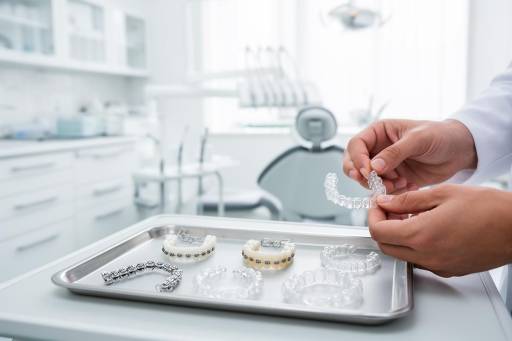
Adults and older patients have access to a variety of orthodontic treatment options tailored to their unique dental needs, aesthetic preferences, and lifestyle considerations. Traditional metal braces remain a highly effective choice, especially for complex or severe malocclusions, due to their durability and precise control over tooth movement. However, some adults may find metal braces less appealing because of their visibility.
Ceramic braces provide a less conspicuous alternative by using tooth-colored or clear brackets that blend with natural teeth. They offer similar effectiveness to metal braces but may require more careful maintenance to prevent staining.
Clear aligners, made from transparent plastic materials, have become increasingly popular among adult patients. These removable appliances offer the advantage of near invisibility, allowing patients to maintain a natural appearance during treatment. Aligners facilitate easier oral hygiene since they can be taken out for brushing and flossing, reducing the risk of plaque buildup and gum problems. They are particularly well-suited for mild to moderate malocclusions but may not be appropriate for more complex cases.
Lingual braces, which are attached to the inner surfaces of the teeth, provide a fully hidden treatment option for patients seeking maximum discretion. While effective, lingual braces may require an adjustment period due to tongue irritation or speech changes and can be more challenging to clean.
Additional orthodontic appliances such as palatal expanders, headgear, or specialized retainers might be recommended depending on the specific dental condition and treatment goals. Your orthodontist will carefully evaluate your oral health, age, and desired outcomes to recommend the most suitable appliance or combination of appliances.
Ultimately, the choice of orthodontic treatment involves balancing effectiveness, aesthetics, comfort, and lifestyle compatibility. Open discussion with your orthodontist about your priorities and concerns will help determine the best approach for your individual situation.
Preparing for Orthodontic Treatment at Any Age
Before beginning orthodontic treatment at any age, a comprehensive dental examination is essential to ensure that your mouth is healthy enough to support tooth movement. This evaluation typically includes a thorough assessment of your teeth, gums, jaw joints, and overall oral health status. Diagnostic tools such as X-rays, panoramic radiographs, and digital 3D scans provide detailed images that help the orthodontist analyze tooth positions, bone structure, and any underlying issues.
Adults should provide a full medical and dental history during the consultation, including any chronic health conditions, medications, or previous dental treatments. Certain systemic diseases or medications can affect bone metabolism and healing, influencing treatment planning and timing. Additionally, periodontal health must be stable before starting orthodontics, as inflamed or diseased gums can worsen with tooth movement and compromise treatment success.
During your initial consultation, your orthodontist will discuss the various treatment options available based on your specific dental needs and personal preferences. This includes explaining the expected duration of treatment, the types of appliances that may be used, care requirements, and potential outcomes. Understanding the level of commitment involved, including daily oral hygiene practices and regular office visits, helps set realistic expectations and promotes patient cooperation.
Maintaining excellent oral hygiene before and throughout orthodontic treatment is critical to prevent complications such as cavities, gum inflammation, or infections. Patients should be prepared to adopt enhanced cleaning techniques and possibly use adjunctive tools like interdental brushes or water flossers. Regular dental cleanings and checkups with your general dentist complement orthodontic care by addressing any emerging issues promptly.
Overall, thorough preparation and open communication between patient and provider lay the foundation for safe, effective treatment and a positive orthodontic experience regardless of age.
Risks, Expectations, and Long-term Care
Orthodontic treatment is generally considered safe and effective for improving dental alignment and function. However, like any medical or dental procedure, it carries certain risks and potential side effects that patients should be aware of before beginning treatment. Common mild side effects include discomfort or soreness in the teeth and gums, especially after adjustments or when new appliances are placed. This discomfort typically subsides within a few days and can be managed with over-the-counter pain relievers and soft foods.
More specific risks include root resorption, which is a shortening of the tooth roots caused by the pressure applied during tooth movement. While usually minimal and not clinically significant, in rare cases it can affect tooth stability. Gum irritation or inflammation may also occur, particularly if oral hygiene is not adequately maintained. This underscores the importance of diligent brushing, flossing, and regular dental cleanings throughout treatment.
Inadequate oral hygiene during orthodontic care can increase the risk of tooth decay and gum disease, as braces and other appliances can trap food and plaque. Patients must be committed to maintaining excellent oral care routines and attending regular checkups to minimize these risks.
Setting realistic expectations about the duration and outcomes of orthodontic treatment is crucial. Treatment times vary depending on the complexity of the case, patient age, and biological response to tooth movement, often ranging from several months to a few years. While orthodontics can significantly improve dental alignment, bite function, and aesthetics, certain limitations exist based on individual dental anatomy, bone density, and pre-existing conditions.
Find the Right Orthodontic Treatment for Your Smile
Answer a few short questions and HealthNode will help you connect with the right orthodontist for braces, clear aligners, or bite correction.
Treatment Preferences
This helps us understand which orthodontic option may fit your lifestyle and expectations.
Dental and Bite Details
A few details help the orthodontist understand whether you may need simple alignment, bite correction, or a more detailed treatment plan.
Contact information
Your information is only used to contact you and is never shared with third parties.
Your request has been received!
Thank you. If you have recent dental photos, dental X-rays, panoramic X-ray, cephalometric X-ray, intraoral scan, previous braces or aligner records, retainer records, or orthodontic treatment plans, please keep them ready. A HealthNode consultant will guide you through the next step.
After the active phase of treatment, wearing retainers as prescribed is vital to preserve the corrected position of teeth and prevent relapse. Long-term follow-up appointments with your orthodontist and general dentist help monitor oral health and the stability of results.
Overall, achieving the best possible outcome requires a collaborative effort between patient and provider. Commitment to care, open communication, and adherence to professional guidance throughout treatment and beyond will maximize benefits and maintain oral health regardless of your age.
Frequently Asked Questions
Q: Is there an age limit for getting braces?
A: No, there is no strict age limit for orthodontic treatment. Many adults and seniors successfully undergo orthodontic procedures.
Q: Can older adults benefit from orthodontic treatment?
A: Yes, older adults can benefit from improved dental health, better bite function, and enhanced appearance with suitable orthodontic options.
Q: Are there specific orthodontic treatments for adults?
A: Yes, options like clear aligners and lingual braces are popular among adults due to their discreet appearance.
Q: What should I consider before starting orthodontic treatment?
A: Consult with an orthodontist to evaluate your dental health, discuss treatment options, and understand the commitment involved.
Q: Are there any health conditions that might affect orthodontic treatment at an older age?
A: Certain health conditions may influence treatment planning; it’s important to discuss your overall health with your orthodontist.
Q: How long does orthodontic treatment typically take for adults?
A: Treatment duration varies but generally ranges from 12 to 24 months, depending on individual cases.
The information provided is for educational purposes only and does not constitute medical advice. Always consult with a healthcare professional for medical guidance specific to your situation.