Table of Contents
What Are Functional Orthodontic Appliances?
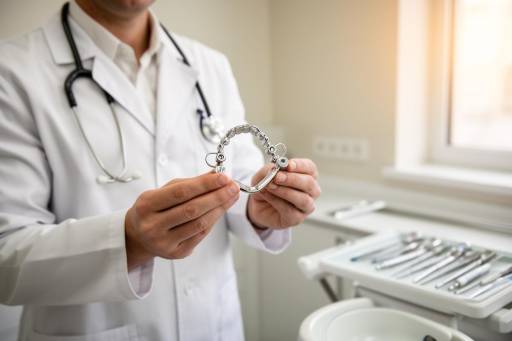
Functional orthodontic appliances are specialized devices designed to correct jaw alignment and improve dental function by influencing the growth and position of the jaw and teeth. Unlike traditional braces that primarily move teeth, these appliances work by modifying muscle activity and guiding jaw development, which can lead to improvements in both dental health and facial structure.
These appliances are often used during the growing years to harness natural growth patterns for more effective correction of skeletal discrepancies. They are a valuable option in orthodontics because they address underlying jaw issues that braces alone might not correct, potentially reducing the need for surgical interventions later.
Understanding functional orthodontic appliances can help you appreciate how orthodontic treatments can be tailored beyond just straightening teeth, aiming for harmonious jaw relationships and improved overall oral health.
Find the Right Orthodontic Treatment for Your Smile
Answer a few short questions and HealthNode will help you connect with the right orthodontist for braces, clear aligners, or bite correction.
Treatment Preferences
This helps us understand which orthodontic option may fit your lifestyle and expectations.
Dental and Bite Details
A few details help the orthodontist understand whether you may need simple alignment, bite correction, or a more detailed treatment plan.
Contact information
Your information is only used to contact you and is never shared with third parties.
Your request has been received!
Thank you. If you have recent dental photos, dental X-rays, panoramic X-ray, cephalometric X-ray, intraoral scan, previous braces or aligner records, retainer records, or orthodontic treatment plans, please keep them ready. A HealthNode consultant will guide you through the next step.
How Functional Orthodontic Appliances Correct Jaw Growth and Bite Alignment
Functional orthodontic appliances are orthodontic devices designed to influence jaw growth and muscle function to correct dental and skeletal malocclusions. They differ from traditional braces, which focus on repositioning teeth within the jawbone. Instead, functional appliances aim to modify the relationship between the upper and lower jaws, often by encouraging or redirecting growth in younger patients.
These devices work by utilizing the forces generated by muscles during activities like swallowing or speaking to gently reposition the jaw and teeth over time. This approach can improve bite alignment and facial aesthetics by addressing the skeletal causes of malocclusion.
Because they work with natural growth processes, functional appliances are typically most effective during childhood and adolescence but can sometimes be adapted for adults depending on their specific dental conditions. Their use supports overall dental health by promoting proper jaw function and alignment, which can reduce strain on teeth and supporting structures.
Types of Functional Orthodontic Appliances and How They Work
There are several types of functional orthodontic appliances, each designed to target specific jaw and dental alignment issues. Common examples include activators, twin blocks, and myofunctional appliances.
Activators are among the earliest types used; they work by positioning the lower jaw forward to encourage growth and improve bite. Twin block appliances consist of two separate pieces that fit in the upper and lower jaws and work together to posture the jaw forward, making them effective for correcting overbites.
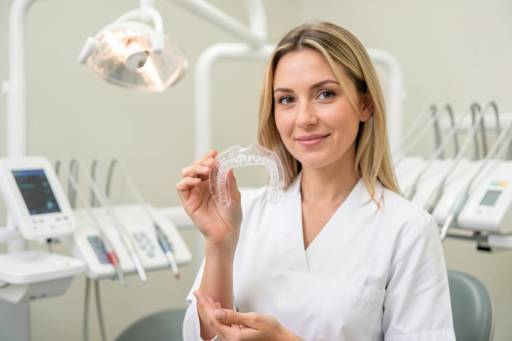
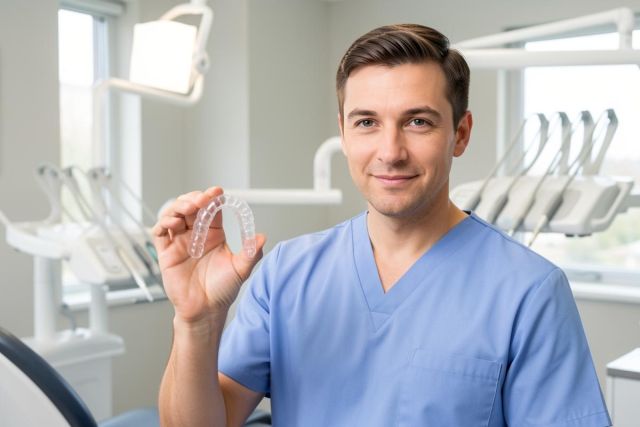
Myofunctional appliances focus on retraining oral muscles to support proper jaw positioning and function. They help correct habits like tongue thrusting or mouth breathing that can affect dental development. These appliances are typically removable and can be adjusted throughout treatment.
Each type uses the body's natural muscle movements to exert gentle forces that promote desirable changes in jaw and dental structure, making functional appliances a dynamic and adaptable orthodontic option.
Benefits and Limitations of Functional Orthodontic Appliances
Functional orthodontic appliances offer several benefits, including improved jaw alignment, enhanced facial aesthetics, and better dental function. They can reduce or eliminate skeletal discrepancies by guiding jaw growth during critical developmental periods. This can lead to a more balanced facial profile and a healthier bite.
These appliances can also reduce the need for more invasive treatments like jaw surgery by addressing problems early. They promote proper muscle function and oral habits, which supports long-term dental health.
However, functional appliances have limitations. They are most effective in growing patients, which means their use in adults may be restricted or less predictable. Patient compliance is crucial, as many appliances are removable and require consistent wear. Some cases may still require braces or surgical intervention if the skeletal issues are severe.
Setting realistic expectations about treatment outcomes and understanding the scope of functional appliances helps patients appreciate their role within comprehensive orthodontic care.
Who Can Benefit from Functional Orthodontic Treatment?
Functional orthodontic appliances are typically best suited for children and adolescents because they rely on active jaw growth to achieve correction. Ideal candidates often present with skeletal discrepancies such as overbites, underbites, or crossbites caused by jaw misalignment rather than just dental crowding.
Patients with habits that negatively influence jaw development, like mouth breathing or tongue thrusting, may also benefit from functional appliances that help retrain muscles and promote healthier oral function. Early intervention during growth phases can maximize the effectiveness of treatment.
Adults with mild jaw misalignments might sometimes use functional appliances, but this depends on individual assessments by an orthodontist. In cases where growth modification is no longer possible, other orthodontic or surgical options may be more appropriate.
Consulting a qualified orthodontic specialist helps determine if functional appliances are a suitable option based on age, dental condition, and treatment goals.
The Treatment Process and What to Expect
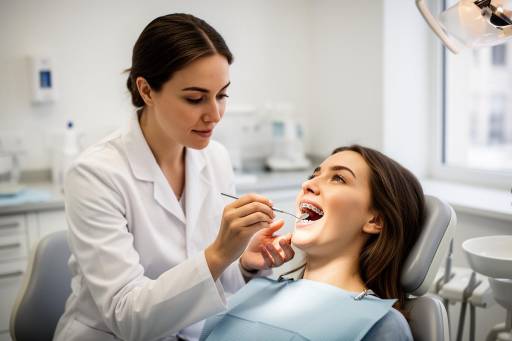
Beginning treatment with functional orthodontic appliances involves a thorough consultation where your orthodontist evaluates jaw alignment, dental health, and growth potential. Imaging and dental impressions may be taken to design a customized appliance suited to your needs.
Once the appliance is fitted, you will receive instructions on wear time, which often requires several hours daily or overnight use. Regular follow-up visits allow the orthodontist to monitor progress and make necessary adjustments to optimize outcomes.
You may experience some initial discomfort or pressure as your jaw adapts to the appliance, but this typically subsides as you get used to it. The overall treatment timeline can range from several months to a couple of years depending on the severity of the condition and growth rates.
Throughout treatment, maintaining good oral hygiene is essential, and your orthodontist will guide you on care routines. Staying compliant with appliance wear and appointments is key to achieving the best results.
Maintaining Results and Long-Term Care
After completing treatment with functional orthodontic appliances, maintaining the results is crucial to prevent relapse. Orthodontic retention often involves wearing retainers or other devices as directed by your orthodontist to keep jaws and teeth in their new positions.
Good oral hygiene practices remain important to support long-term dental health. Regular dental check-ups help monitor your bite and overall oral condition over time.
Sometimes, follow-up visits are needed to ensure that growth and stability continue as expected. Being attentive to any changes in bite or jaw function allows timely intervention if necessary.
With proper aftercare, the improvements gained from functional orthodontic treatment can last a lifetime, supporting both function and aesthetics in your smile.
Find the Right Orthodontic Treatment for Your Smile
Answer a few short questions and HealthNode will help you connect with the right orthodontist for braces, clear aligners, or bite correction.
Treatment Preferences
This helps us understand which orthodontic option may fit your lifestyle and expectations.
Dental and Bite Details
A few details help the orthodontist understand whether you may need simple alignment, bite correction, or a more detailed treatment plan.
Contact information
Your information is only used to contact you and is never shared with third parties.
Your request has been received!
Thank you. If you have recent dental photos, dental X-rays, panoramic X-ray, cephalometric X-ray, intraoral scan, previous braces or aligner records, retainer records, or orthodontic treatment plans, please keep them ready. A HealthNode consultant will guide you through the next step.
Frequently Asked Questions
Q: Are functional orthodontic appliances suitable for adults?
A: While functional appliances are most effective in children and adolescents due to jaw growth, some types can be adapted for adults based on individual dental conditions. An orthodontist can evaluate your specific needs to determine suitability.
Q: How long does treatment with functional appliances typically last?
A: The duration of treatment varies by individual but generally ranges from six months to two years. Factors like age, severity of misalignment, and compliance influence the timeline.
Q: Do functional appliances hurt or cause discomfort?
A: Initial discomfort or pressure is normal as your jaw adjusts to the appliance, especially during the first few days or after adjustments. However, pain should be minimal and tends to decrease with adaptation.
Q: Can functional appliances correct jaw misalignment without surgery?
A: Many cases of jaw misalignment, especially in growing patients, can be improved with functional appliances without the need for surgery. However, severe cases might still require surgical intervention.
Q: Are functional orthodontic appliances visible when worn?
A: Visibility depends on the type of appliance. Some functional appliances are removable and less noticeable, while others may be more visible but are designed to be as discreet as possible.
Q: What are the costs associated with functional orthodontic treatment?
A: Costs vary depending on the type of appliance used and the length of treatment. Consulting an orthodontist will provide a detailed cost estimate tailored to your treatment plan.
The information provided is for educational purposes only and does not constitute medical advice. Always consult with a healthcare professional for medical guidance specific to your situation.