Table of Contents
What Are Lingual Braces?
Lingual braces are a type of orthodontic appliance designed to straighten teeth discreetly by attaching the brackets and wires to the back (lingual side) of your teeth rather than the front. This hidden placement makes lingual braces an invisible option compared to traditional braces, providing effective tooth alignment without affecting the appearance of your smile during treatment.
These braces work similarly to conventional braces by applying gentle pressure to move teeth into proper alignment over time. However, because they are fixed behind the teeth, they require specialized customization and expertise in fitting and adjustments. Lingual braces have become a popular choice for people seeking orthodontic treatment that is both effective and aesthetically subtle.
If you are considering orthodontic options and value discretion, understanding how lingual braces function, their benefits, and what to expect during treatment can help you decide if this invisible orthodontic solution is right for you. This knowledge is particularly useful if you are exploring treatment abroad, where different clinics may offer this innovative option as part of medical tourism services.
Find the Right Orthodontic Treatment for Your Smile
Answer a few short questions and HealthNode will help you connect with the right orthodontist for braces, clear aligners, or bite correction.
Treatment Preferences
This helps us understand which orthodontic option may fit your lifestyle and expectations.
Dental and Bite Details
A few details help the orthodontist understand whether you may need simple alignment, bite correction, or a more detailed treatment plan.
Contact information
Your information is only used to contact you and is never shared with third parties.
Your request has been received!
Thank you. If you have recent dental photos, dental X-rays, panoramic X-ray, cephalometric X-ray, intraoral scan, previous braces or aligner records, retainer records, or orthodontic treatment plans, please keep them ready. A HealthNode consultant will guide you through the next step.
Lingual Braces: The Invisible Solution for Discreet Orthodontic Treatment
Lingual braces are orthodontic devices that are bonded to the inner surfaces of your teeth, facing the tongue, which makes them virtually invisible from the outside. Unlike traditional braces that sit on the front of the teeth, lingual braces offer a discreet way to correct misalignment, crowding, or bite issues without displaying metal brackets during your smile.
The mechanism behind lingual braces is similar to conventional braces: brackets are attached to each tooth and connected with archwires that apply steady pressure to guide teeth into the desired positions. However, because they are placed in a more confined space behind your teeth, they require precise customization to fit comfortably and effectively.
Orthodontists use advanced imaging and molding techniques to create braces tailored to the contours of your teeth’s backs. This customization ensures that lingual braces fit snugly and work efficiently to achieve your orthodontic goals. The treatment duration and outcomes are comparable to traditional braces, although the initial adjustment period might differ due to their placement.
Choosing lingual braces means you can enjoy orthodontic correction with minimal impact on your appearance, making them a preferred choice for adults and professionals who want to maintain a natural look throughout their treatment.
Advantages of Choosing Lingual Braces Over Traditional Options
One of the most significant benefits of lingual braces is their invisibility. Since they are mounted behind the teeth, they remain hidden from view, allowing you to undergo orthodontic treatment without altering your smile’s appearance. This makes them an excellent option for individuals who feel self-conscious about wearing braces.
Lingual braces also provide a customized fit because each bracket is specifically designed to match the shape of your teeth’s inner surfaces. This tailored approach can enhance comfort and precision in tooth movement compared to generic bracket systems.
Another advantage is that lingual braces do not interfere with your front teeth’s aesthetics, which is important for social or professional interactions. This discreet nature is why lingual braces are often called "esthetic dental treatment" and are favored by adults and those in public-facing roles.
While lingual braces may require some adaptation, such as adjusting speech or managing initial tongue discomfort, many patients find that these issues diminish with time. Additionally, because they are less exposed to external elements, lingual braces reduce the risk of visible staining or damage often seen with traditional braces.
Overall, choosing lingual braces offers a balance of effective orthodontic correction with a focus on discretion and personalized comfort, which many patients find appealing.
What to Expect During Treatment with Lingual Braces
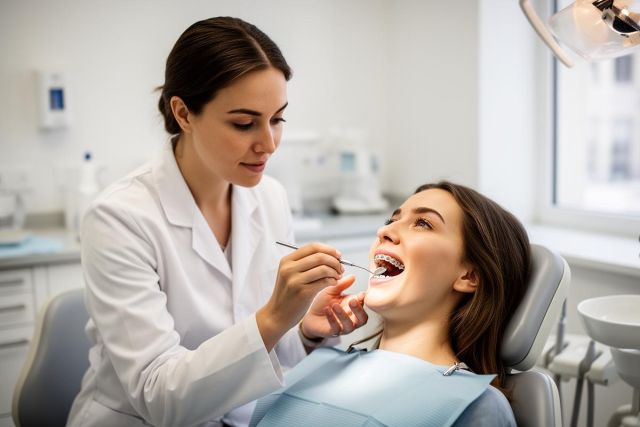
The treatment process with lingual braces begins with a thorough consultation where your orthodontist evaluates your oral health and discusses your aesthetic preferences. Detailed impressions or digital scans of your teeth are taken to design custom braces that fit precisely behind your teeth.
Once your lingual braces are fabricated, your orthodontist bonds the brackets to the back surfaces of your teeth and connects them with archwires. This initial fitting can take longer than traditional braces due to the complexity of placement and customization.
During the first few weeks, you may notice some discomfort or changes in speech caused by the braces’ position near your tongue. These symptoms usually improve as you adjust. Regular follow-up visits are necessary to tighten and adjust the braces, ensuring steady progress in tooth movement.
After completing the active treatment phase, the braces are removed, and you will likely receive a retainer to maintain your new smile alignment. Post-treatment care involves maintaining good oral hygiene and attending routine dental checkups to preserve your results.
Understanding each step of the orthodontic journey with lingual braces helps you prepare for the experience and set realistic expectations for your treatment timeline and adaptation period.
Is Lingual Braces Right for You? Key Factors to Consider
Not everyone is an ideal candidate for lingual braces, so assessing your suitability involves several important considerations. Your oral health status, including the presence of gum disease or significant tooth decay, must be evaluated before starting treatment.
The complexity of your orthodontic issues also matters. Lingual braces effectively address many alignment and bite problems but may not be suitable for extremely severe cases or certain malocclusions that require alternative approaches.
Lifestyle factors such as your professional environment and personal comfort with the initial adaptation phase should also be weighed. Since lingual braces can affect speech initially, individuals who rely heavily on clear communication might want to factor this into their decision.
Your commitment to rigorous oral hygiene is critical because cleaning behind the teeth can be more challenging with lingual braces. If you are diligent about dental care and willing to attend regular orthodontic visits, lingual braces could be a fitting choice.
Discussing your goals and concerns with an experienced orthodontist will help you determine whether lingual braces align well with your needs and expectations, ensuring a positive treatment experience.
Cost and Accessibility of Lingual Braces Abroad
Lingual braces tend to be more expensive than traditional braces due to the customization, specialized materials, and expertise required. When considering treatment abroad, you might find cost-effective options that offer quality care at a lower price than in your home country.
Many international dental clinics provide lingual braces as part of their orthodontic services, particularly in countries known for medical tourism. These clinics often combine experienced orthodontists and modern technology, making treatment accessible to international patients seeking discreet orthodontic solutions.
However, when exploring dental tourism for lingual braces, it is important to research the clinic’s credentials, the orthodontist’s expertise, and the scope of follow-up care. Orthodontic treatment requires multiple visits over time, so planning for ongoing care either abroad or locally is essential.
The overall affordability of lingual braces abroad depends on factors such as travel expenses, treatment duration, and the quality of materials used. Some patients find that combining treatment with travel offers both financial savings and access to advanced orthodontic options.
Thoroughly comparing costs and service quality in different countries can help you make an informed decision that balances cost, convenience, and treatment outcomes.
Find the Right Orthodontic Treatment for Your Smile
Answer a few short questions and HealthNode will help you connect with the right orthodontist for braces, clear aligners, or bite correction.
Treatment Preferences
This helps us understand which orthodontic option may fit your lifestyle and expectations.
Dental and Bite Details
A few details help the orthodontist understand whether you may need simple alignment, bite correction, or a more detailed treatment plan.
Contact information
Your information is only used to contact you and is never shared with third parties.
Your request has been received!
Thank you. If you have recent dental photos, dental X-rays, panoramic X-ray, cephalometric X-ray, intraoral scan, previous braces or aligner records, retainer records, or orthodontic treatment plans, please keep them ready. A HealthNode consultant will guide you through the next step.
Frequently Asked Questions
Q: Are lingual braces suitable for all ages?
A: Lingual braces can be suitable for many age groups, but suitability depends on individual oral health and specific orthodontic needs. Consult with an orthodontist to determine the best option.
Q: How long does treatment with lingual braces typically last?
A: Treatment duration varies depending on individual cases but generally ranges from 12 to 24 months. Your orthodontist will provide an estimated timeline based on your needs.
Q: Are lingual braces more uncomfortable than traditional braces?
A: Some patients experience initial discomfort or speech adjustment challenges, but most find lingual braces comparable to traditional braces once accustomed.
Q: Can lingual braces fix all orthodontic issues?
A: Lingual braces are effective for many orthodontic problems, but complex cases may require alternative or additional treatments. A consultation with an orthodontist can clarify suitability.
Q: What are the maintenance requirements for lingual braces?
A: Maintaining good oral hygiene is essential. Regular dental check-ups and proper cleaning routines are necessary to prevent issues like plaque buildup.
Q: Is it possible to get lingual braces through medical tourism?
A: Yes, some clinics abroad offer lingual braces as part of their orthodontic services, often at a lower cost. Ensure the clinic is reputable and qualified.
The information provided is for educational purposes only and does not constitute medical advice. Always consult with a healthcare professional for medical guidance specific to your situation.