Table of Contents
What Are Traditional Metal Braces?
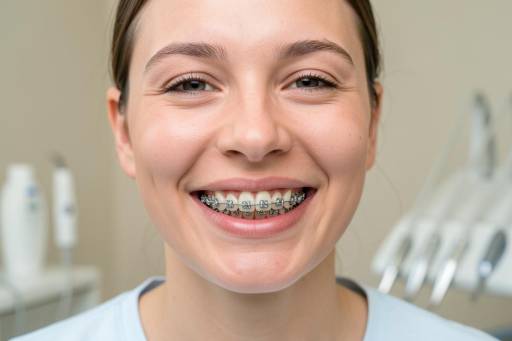
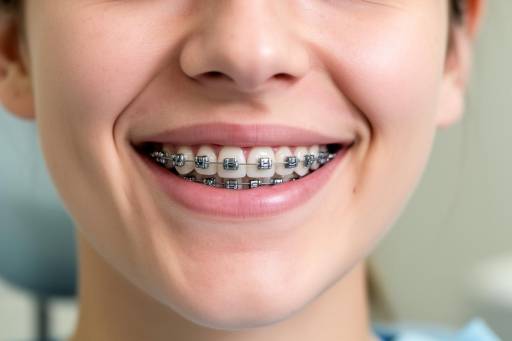
Traditional metal braces are a common and effective orthodontic treatment designed to straighten teeth and correct bite issues. They consist of metal brackets attached to the teeth and connected by wires that apply gentle pressure over time to move teeth into proper alignment. This method has been used successfully for decades and remains a popular choice for patients of all ages seeking reliable results.
These braces work by gradually adjusting the position of your teeth through controlled force. Your orthodontist will customize the treatment plan based on your specific dental needs, ensuring that the movement occurs safely and efficiently. Although metal braces are noticeable, their effectiveness and affordability make them a preferred option compared to newer alternatives.
Understanding how traditional metal braces function and what to expect during treatment can help you feel more confident if you or a loved one is considering this orthodontic option. This overview covers their design, benefits, treatment journey, care tips, and how they compare with other available orthodontic solutions.
Find the Right Orthodontic Treatment for Your Smile
Answer a few short questions and HealthNode will help you connect with the right orthodontist for braces, clear aligners, or bite correction.
Treatment Preferences
This helps us understand which orthodontic option may fit your lifestyle and expectations.
Dental and Bite Details
A few details help the orthodontist understand whether you may need simple alignment, bite correction, or a more detailed treatment plan.
Contact information
Your information is only used to contact you and is never shared with third parties.
Your request has been received!
Thank you. If you have recent dental photos, dental X-rays, panoramic X-ray, cephalometric X-ray, intraoral scan, previous braces or aligner records, retainer records, or orthodontic treatment plans, please keep them ready. A HealthNode consultant will guide you through the next step.
How Traditional Metal Braces Correct Your Smile
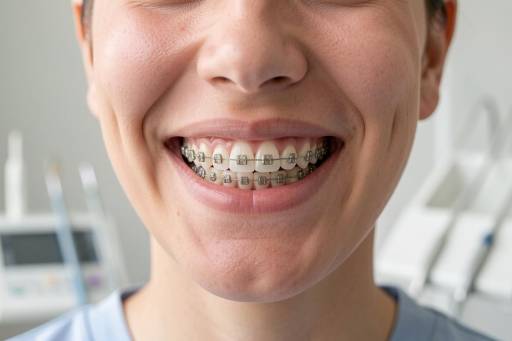
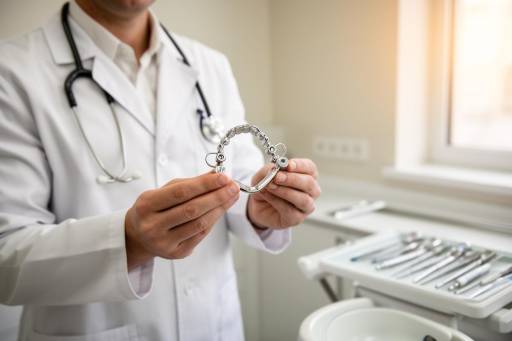
Traditional metal braces consist of small metal brackets that are bonded to the front surfaces of your teeth. These brackets serve as anchors for a thin metal archwire that runs through them. The archwire applies continuous, gentle pressure on your teeth, guiding them into the desired position over time.
The orthodontist adjusts the tension of the archwire during regular visits, which gradually moves the teeth by remodeling the bone surrounding them. Small elastic bands or metal ties hold the wire in place and may be changed periodically to maintain effective pressure.
Applying the braces usually involves cleaning and drying your teeth, then carefully cementing the brackets with dental adhesive. The entire procedure is generally pain-free, although you might experience some initial discomfort as your mouth adjusts.
This mechanism is effective for correcting a wide range of orthodontic issues, including crowding, gaps, overbites, underbites, and crossbites. Because the brackets are made of durable stainless steel, they can withstand the forces necessary for proper alignment while remaining safe for your oral health.
Benefits and Drawbacks of Metal Braces
Traditional metal braces offer several advantages that make them a dependable choice for orthodontic treatment. They are highly effective for complex dental corrections and can address a broader range of alignment issues compared to some alternatives. Metal braces typically cost less than newer options like clear aligners or ceramic braces, making them a cost-effective solution.
One of the main benefits is their durability; metal brackets and wires are strong and less likely to break during treatment. Additionally, treatment times with metal braces can be shorter for certain cases because they allow more precise control over tooth movement.
However, metal braces are visible, which some patients may find less aesthetically pleasing. They can also cause mild irritation to the cheeks and lips initially, and require careful cleaning to prevent plaque buildup around the brackets.
Here’s a balanced look at the pros and cons:
| Benefits of Metal Braces | Drawbacks of Metal Braces |
|---|---|
| Effective for complex orthodontic issues | Noticeable appearance on teeth |
| Generally more affordable than other options | Possible initial mouth irritation |
| Durable and less prone to damage | Require diligent oral hygiene |
| Can shorten treatment duration for some cases | Dietary restrictions to avoid damage |
These factors can help you weigh metal braces against other orthodontic options based on your priorities and lifestyle.
What to Expect During Your Metal Braces Treatment
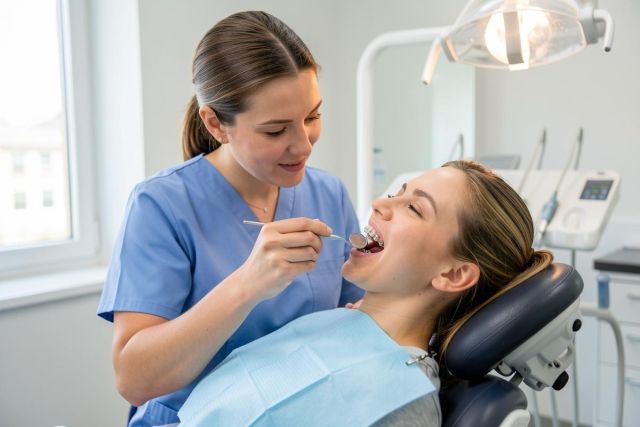
The process of getting traditional metal braces begins with a consultation where your orthodontist evaluates your teeth and bite. They may take X-rays, photos, and dental impressions to develop a personalized treatment plan.
Once your braces are applied, you’ll experience an adjustment period where your mouth gets used to the brackets and wires. Your orthodontist will schedule regular follow-up visits every 4 to 8 weeks to tighten or adjust the wires, which helps continue moving your teeth gradually.
Throughout treatment, you might feel mild soreness after adjustments, but this usually lasts only a few days. Maintaining good oral hygiene is important to prevent cavities and gum issues, as braces can trap food particles.
At the end of your treatment period, your orthodontist will remove the braces and typically provide a retainer to keep your teeth in their new position. The entire journey usually spans 1 to 3 years, depending on your individual case and treatment goals.
Caring for Your Metal Braces: Tips for Success
Good care during your time with metal braces is essential for achieving the best results and maintaining oral health. Brushing your teeth thoroughly after every meal helps remove food debris and reduce plaque buildup around the brackets and wires.
Using a soft-bristled toothbrush and fluoride toothpaste is recommended. Interdental brushes or floss threaders can assist in cleaning between teeth and under the wires where regular brushing may miss.
You should avoid hard, sticky, or chewy foods that could damage the braces or cause brackets to loosen. Examples include popcorn, nuts, caramel, and chewing gum.
Regular visits to your orthodontist and dentist ensure your braces are functioning well and your teeth and gums remain healthy. Staying mindful of these care tips will support an effective treatment process and a confident, healthy smile once your braces come off.
Comparing Metal Braces to Other Orthodontic Options
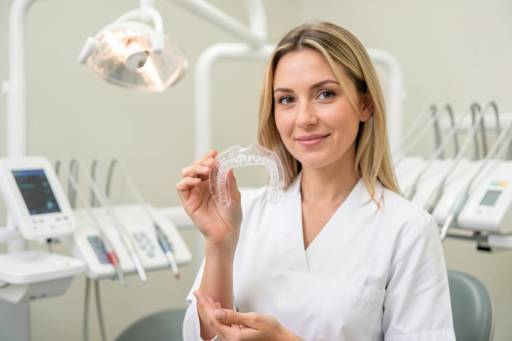
Traditional metal braces remain one of the most effective methods for correcting a wide range of orthodontic issues, but several other options are available depending on your preferences and treatment needs. Clear aligners, such as Invisalign, use a series of removable, nearly invisible trays to gradually move teeth. They offer aesthetic benefits and the convenience of removal for eating and cleaning but may not be suitable for complex cases.
Ceramic braces work similarly to metal braces but use tooth-colored or clear brackets that blend in more naturally with your teeth. They are less noticeable but can be more fragile and typically cost more.
Lingual braces are attached to the back surfaces of the teeth, making them invisible from the front. However, they can be less comfortable initially and may require a specialized orthodontist.
Each method has its strengths and considerations. Metal braces offer durability, cost-effectiveness, and broad applicability, while alternatives may provide aesthetic or comfort advantages depending on your priorities.
Evaluating these options with your orthodontist will help determine the best approach for your unique dental needs.
Find the Right Orthodontic Treatment for Your Smile
Answer a few short questions and HealthNode will help you connect with the right orthodontist for braces, clear aligners, or bite correction.
Treatment Preferences
This helps us understand which orthodontic option may fit your lifestyle and expectations.
Dental and Bite Details
A few details help the orthodontist understand whether you may need simple alignment, bite correction, or a more detailed treatment plan.
Contact information
Your information is only used to contact you and is never shared with third parties.
Your request has been received!
Thank you. If you have recent dental photos, dental X-rays, panoramic X-ray, cephalometric X-ray, intraoral scan, previous braces or aligner records, retainer records, or orthodontic treatment plans, please keep them ready. A HealthNode consultant will guide you through the next step.
Frequently Asked Questions
Q: Are traditional metal braces suitable for adults?
A: Yes, metal braces are suitable for both children and adults. They effectively treat orthodontic issues across all age groups. Treatment plans may be tailored to fit adult dental needs.
Q: How long do I need to wear metal braces?
A: Typically, metal braces are worn for 1 to 3 years. The exact duration depends on the complexity of your orthodontic case and your orthodontist’s treatment plan.
Q: Do metal braces hurt?
A: Some discomfort or soreness is common after adjustments, but it usually subsides within a few days. Using recommended pain relief methods and following care instructions can help minimize discomfort.
Q: How often do I need to visit the orthodontist?
A: Orthodontic visits are generally scheduled every 4 to 8 weeks. These appointments allow for adjustments and monitoring of your treatment progress.
Q: Can I still eat my favorite foods with braces?
A: You should avoid hard, sticky, or chewy foods that can damage your braces. Most other foods can be eaten safely with proper care and attention to oral hygiene.
Q: Are metal braces visible?
A: Yes, traditional metal braces are visible when you smile or talk. Despite this, they are highly effective and often more affordable than less visible options.
The information provided is for educational purposes only and does not constitute medical advice. Always consult with a healthcare professional for medical guidance specific to your situation.