Table of Contents
What Is Interceptive Orthodontic Treatment?
Interceptive orthodontic treatment is a proactive approach in pediatric dentistry focused on identifying and addressing dental and jaw irregularities early during a child's development. This treatment aims to guide proper dental growth, prevent more severe orthodontic problems, and reduce the complexity of future treatments by intervening at an optimal time when a child's bones and teeth are still developing.
Early orthodontics plays a crucial role in pediatric care by allowing dentists and orthodontists to monitor dental development closely and apply corrective measures when necessary. By taking action during the formative years, interceptive treatment can improve function, aesthetics, and long-term oral health outcomes.
Understanding this early intervention approach helps parents and caregivers recognize its value in maintaining a healthy developmental trajectory for children's teeth and jaws. It empowers families to seek timely professional advice and make informed decisions about their child's dental care journey. Interceptive orthodontics is tailored to each child’s unique needs and growth patterns, addressing issues such as misaligned bites, abnormal tooth eruption, and harmful oral habits to promote a balanced and healthy smile.
Find the Right Orthodontic Treatment for Your Smile
Answer a few short questions and HealthNode will help you connect with the right orthodontist for braces, clear aligners, or bite correction.
Treatment Preferences
This helps us understand which orthodontic option may fit your lifestyle and expectations.
Dental and Bite Details
A few details help the orthodontist understand whether you may need simple alignment, bite correction, or a more detailed treatment plan.
Contact information
Your information is only used to contact you and is never shared with third parties.
Your request has been received!
Thank you. If you have recent dental photos, dental X-rays, panoramic X-ray, cephalometric X-ray, intraoral scan, previous braces or aligner records, retainer records, or orthodontic treatment plans, please keep them ready. A HealthNode consultant will guide you through the next step.
Key Concepts of Interceptive Orthodontic Treatment
Interceptive orthodontic treatment refers to orthodontic care provided during the early stages of dental development, typically between the ages of 6 and 10. It involves identifying and managing potential problems before they fully develop, which can include issues with tooth eruption, jaw growth, and bite alignment. This early intervention aims to address concerns while the facial bones and teeth are still growing and more adaptable, allowing for less invasive and more effective treatment.
The goal of interceptive orthodontics is to guide the growth of the jaw and the incoming permanent teeth to reduce or eliminate the need for more extensive orthodontic work later. By intervening early, this treatment can correct habits such as thumb sucking, address crowding or spacing problems, and improve bite relationships. This proactive approach supports healthier dental development and can simplify or shorten traditional orthodontic treatments in the future.
Interceptive orthodontic treatment also helps prevent complications like impacted teeth, jaw misalignment, or uneven wear on teeth, which can result from untreated early orthodontic issues. Parents should understand that early treatment does not always mean braces immediately but may involve appliances or habit correction strategies designed to optimize growth and development. Overall, interceptive orthodontics aims to create a stable foundation for a healthy, functional, and aesthetically pleasing smile as the child matures.
Why Early Intervention Matters in Pediatric Orthodontics
Early intervention in pediatric orthodontics is important because it allows for the correction of developmental issues before they become more severe or complex. Children's bones and teeth are more malleable during early childhood, which means that treatments can be more effective and less invasive at this stage.
When dental growth is guided properly at an early age, it can prevent problems such as severe crowding, crossbites, and jaw misalignments that might otherwise require extensive orthodontic procedures later. This not only improves the child's oral function and appearance but can also reduce the emotional and financial burden associated with prolonged orthodontic treatment later in life.
Pediatric orthodontists recommend early assessments, usually by age 7, to detect any signs of abnormal dental development. This allows timely planning and execution of interceptive orthodontic treatments that support healthier dental trajectories and reduce the risk of complicated interventions as the child matures.
Early intervention can also improve speech development, chewing efficiency, and overall oral health by addressing issues before they impact other structures. Parents should understand that early treatment does not always mean immediate braces but may involve appliances or habit modification to set the stage for successful long-term outcomes.
Early orthodontic care can also enhance self-esteem by improving dental appearance during formative years, contributing to a child's confidence and social well-being.
Common Devices Used in Interceptive Orthodontic Treatment
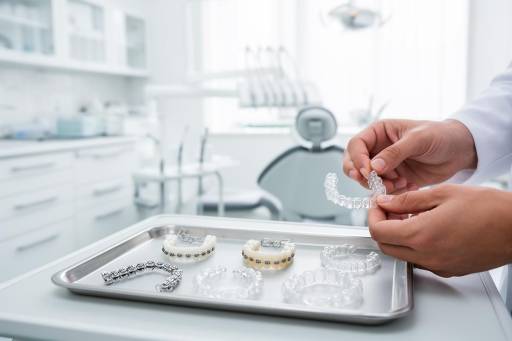
Interceptive orthodontic treatment utilizes various devices designed to guide proper dental and jaw development. One common device is the space maintainer, which holds the space left by a prematurely lost baby tooth. This prevents adjacent teeth from shifting and ensures enough room for permanent teeth to erupt correctly. Space maintainers can be custom-made and may be fixed or removable depending on the child's needs.
Palatal expanders are another important appliance used to widen the upper jaw when it is too narrow. By gradually applying pressure to the palate, these devices encourage bone growth, improving bite alignment and creating adequate space for teeth. They are especially helpful in cases of crowding or crossbite.
Other appliances include habit breakers, which help discourage thumb sucking or tongue thrusting habits that can negatively affect dental development by altering tooth position or jaw growth. Additionally, partial braces or removable orthodontic appliances may be used to adjust tooth position or jaw growth gradually. These are often employed to correct minor misalignments or guide erupting teeth.
Each device is selected based on the child's specific orthodontic needs and developmental stage, with the goal of creating a balanced and functional bite. Orthodontists provide guidance on caring for these devices, managing any discomfort during adjustment periods, and emphasize the importance of compliance to achieve the best results.
Safety considerations include monitoring for irritation or allergic reactions and ensuring that the devices do not interfere with normal oral hygiene practices.
Signs That Indicate a Child Might Need Interceptive Orthodontics
Parents and caregivers can watch for several signs that suggest a child may benefit from interceptive orthodontic treatment. Early functional indicators include difficulty chewing or biting, thumb sucking beyond the age of 5, mouth breathing, and speech difficulties such as lisping or unclear pronunciation. These signs often point to underlying dental or jaw alignment issues that require professional evaluation.
Visible dental problems also warrant attention. Crowded or crooked teeth, early or late loss of baby teeth, crossbites (where upper and lower teeth do not align properly), open bites (where front teeth do not touch when biting), and asymmetrical jaw growth are all signs that an orthodontic specialist should assess.
Additional signals include frequent biting of the cheeks or the roof of the mouth, persistent jaw clicking or popping sounds, and discomfort when closing the mouth. These symptoms may indicate underlying orthodontic concerns that could lead to more serious problems if left untreated.
Recognizing these signs early allows for timely consultation and intervention, which can improve treatment outcomes and reduce the need for more complex procedures later. Early detection also helps minimize discomfort and prevents potential issues with speech, chewing, and self-esteem related to dental appearance.
While regular dental check-ups provide opportunities for professionals to identify these signs, parental observation plays a crucial role in initiating earlier orthodontic assessments when necessary.
Consulting with an Orthodontist: What to Expect
When you take your child for an orthodontic consultation, the orthodontist will begin with a thorough evaluation. This includes reviewing your child's dental and medical history, performing a clinical examination, and often taking diagnostic images such as X-rays. These steps help the orthodontist understand your child’s unique dental structure and identify any underlying issues that might not be visible during a routine dental check-up.
The specialist will assess your child's bite, jaw alignment, and tooth development to determine whether interceptive orthodontic treatment is appropriate. They will look for signs such as crowding, misalignment, or abnormal jaw growth patterns that could benefit from early intervention. Based on this assessment, the orthodontist will discuss various treatment options, expected timelines, and goals tailored specifically to your child's needs and developmental stage.
During the consultation, it is important to ask questions about the benefits and risks of early treatment, the types of devices that might be used, care instructions, and how the treatment fits into your child's overall dental health plan. Understanding potential side effects, maintenance requirements, and how treatment might affect your child’s daily routine will help you prepare for the journey ahead.
The orthodontist will also explain the expected duration of treatment and any necessary follow-up visits. This information provides a clearer picture of what to expect throughout the process.
Find the Right Orthodontic Treatment for Your Smile
Answer a few short questions and HealthNode will help you connect with the right orthodontist for braces, clear aligners, or bite correction.
Treatment Preferences
This helps us understand which orthodontic option may fit your lifestyle and expectations.
Dental and Bite Details
A few details help the orthodontist understand whether you may need simple alignment, bite correction, or a more detailed treatment plan.
Contact information
Your information is only used to contact you and is never shared with third parties.
Your request has been received!
Thank you. If you have recent dental photos, dental X-rays, panoramic X-ray, cephalometric X-ray, intraoral scan, previous braces or aligner records, retainer records, or orthodontic treatment plans, please keep them ready. A HealthNode consultant will guide you through the next step.
Being well-informed about the consultation process helps you feel confident and prepared to support your child's orthodontic journey. It ensures that you can make informed decisions alongside your orthodontist to achieve the best possible outcomes for your child’s oral health.
Frequently Asked Questions
Q: At what age should interceptive orthodontic treatment begin?
A: Interceptive orthodontic treatment typically begins between ages 6 and 10, when children have a mix of baby and permanent teeth. Early assessment by age 7 is recommended to identify potential issues. Starting treatment during this window takes advantage of bone growth and tooth development for better results.
Q: What are the benefits of interceptive orthodontic treatment?
A: This treatment can prevent more severe orthodontic problems later by guiding jaw growth and tooth eruption early. It often reduces the need for braces or complex procedures in adolescence. Early intervention also improves oral function, appearance, and long-term dental health.
Q: Are interceptive orthodontic devices comfortable for children?
A: Most devices used in interceptive treatment are designed to fit comfortably and are removable in many cases. Children may experience some initial adjustment or mild discomfort, which usually subsides quickly. Orthodontists provide instructions to ensure proper use and care to maintain comfort.
Q: How long does interceptive orthodontic treatment usually last?
A: Treatment duration varies based on the child's specific issues but often ranges from several months to a couple of years. The goal is to create the ideal conditions for permanent teeth to erupt properly. Follow-up visits are essential to monitor progress and adjust treatment as needed.
Q: Can interceptive orthodontic treatment replace traditional braces later?
A: Interceptive treatment aims to reduce or simplify later orthodontic needs but does not always replace the need for braces entirely. Some children may still require braces during adolescence for final alignment. However, early treatment often results in shorter, less complicated orthodontic procedures later.
The information provided is for educational purposes only and does not constitute medical advice. Always consult with a healthcare professional for medical guidance specific to your situation.