Table of Contents
What Tests Are Used Before Orthodontic Treatment?
Before starting orthodontic treatment, several diagnostic tests are performed to assess your dental and facial structure thoroughly. These tests provide critical information that helps your orthodontist develop a customized treatment plan suited to your unique needs. Understanding these tests can help you feel more comfortable and prepared for your orthodontic journey.
Orthodontic treatment is not one-size-fits-all. Each patient’s teeth alignment, bite, jaw shape, and oral health vary significantly. The pre-treatment diagnostics allow specialists to evaluate these factors precisely, ensuring the chosen treatment is both safe and effective. These tests often include imaging like X-rays, dental impressions, and digital scans that capture detailed views of your mouth.
Knowing what to expect from these diagnostic procedures can ease any anxiety and enable you to participate actively in your care. This knowledge also highlights the vital role of technology and expertise in modern orthodontics to achieve the best possible outcomes. Additionally, understanding the diagnostic process helps you appreciate the complexity involved in planning your treatment and the importance of following your orthodontist’s recommendations.
Find the Right Orthodontic Treatment for Your Smile
Answer a few short questions and HealthNode will help you connect with the right orthodontist for braces, clear aligners, or bite correction.
Treatment Preferences
This helps us understand which orthodontic option may fit your lifestyle and expectations.
Dental and Bite Details
A few details help the orthodontist understand whether you may need simple alignment, bite correction, or a more detailed treatment plan.
Contact information
Your information is only used to contact you and is never shared with third parties.
Your request has been received!
Thank you. If you have recent dental photos, dental X-rays, panoramic X-ray, cephalometric X-ray, intraoral scan, previous braces or aligner records, retainer records, or orthodontic treatment plans, please keep them ready. A HealthNode consultant will guide you through the next step.
Overall, these diagnostic tests form the essential first step toward achieving a healthy, beautiful smile tailored to your individual needs and goals.
Critical Role of Pre-Treatment Diagnostics in Orthodontic Success
Pre-orthodontic tests are fundamental in creating a successful orthodontic treatment plan. They allow your orthodontist to analyze the position of your teeth, jawbone, and facial structure in detail. This comprehensive assessment helps identify any underlying issues such as impacted teeth, jaw misalignment, or bone density concerns that could affect treatment.
Diagnostics in orthodontics ensure that treatment is personalized to your anatomy and goals. Without these tests, it would be difficult to predict how your teeth will move or how long treatment might take. They also help avoid potential complications by revealing conditions that may require special attention or additional care, such as periodontal health issues or temporomandibular joint disorders.
By understanding the results from these tests, your orthodontist can recommend the most suitable appliances and techniques, whether braces, clear aligners, or other options. This tailored approach improves the effectiveness of treatment and enhances your overall experience. Moreover, accurate diagnostics contribute to better long-term stability of results and reduce the likelihood of retreatment.
In summary, pre-treatment diagnostics are a critical step that lays the groundwork for safe, efficient, and successful orthodontic care tailored specifically to your needs.
Common Diagnostic Tests Used in Orthodontics
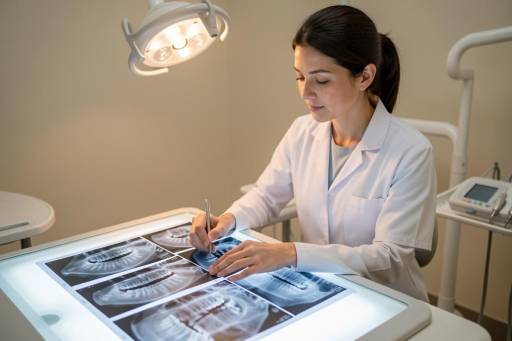
Several diagnostic tests are routinely used to gather comprehensive information about your oral health before treatment begins. Orthodontic X-rays are among the most common; they include panoramic and cephalometric X-rays that provide detailed images of your teeth, jaws, and surrounding structures. These images help assess tooth position, jaw relationships, and growth patterns.
Dental impressions involve creating molds of your teeth using putty or digital scanning technology. These impressions capture the exact shape and alignment of your teeth, which help in designing custom orthodontic appliances that fit precisely and work effectively. While traditional impressions may cause mild discomfort or gag reflex in some patients, digital scans offer a quicker and often more comfortable alternative.
Digital orthodontic scans use 3D imaging to create highly accurate models of your mouth without the discomfort of traditional molds. These models allow your orthodontist to simulate tooth movement and plan treatment stages with greater accuracy.
Cone Beam Computed Tomography (CBCT) scans are advanced 3D X-rays that offer a comprehensive view of your bone structure, airway, and tooth roots. This technology allows for precise measurement and evaluation, especially in complex cases such as impacted teeth, jaw asymmetry, or airway concerns. The detailed information from CBCT scans supports safer and more effective treatment planning.
How These Tests Help Customize Your Orthodontic Treatment
The diagnostic results are the foundation for customizing your orthodontic treatment. They guide the orthodontist in selecting the best type of braces or aligners, adjusting treatment duration, and anticipating tooth movement patterns. Each patient’s dental anatomy and orthodontic needs are unique, so these tests provide essential data that allow for a tailored approach rather than a generic one.
For example, if the X-rays show that some teeth are impacted or positioned unusually, your orthodontist can plan specific interventions to address those issues before or during treatment. This might include removing obstacles, creating space, or using specialized appliances to guide teeth into their proper positions. The impressions and digital scans help design appliances that fit precisely, improving comfort, effectiveness, and reducing the risk of irritation or poor fit.
Customization also means setting realistic expectations for your treatment timeline and outcomes. By having detailed data, your orthodontist can communicate clearly about what to expect, helping you stay informed and engaged throughout your treatment. This transparency allows you to understand the stages of treatment, potential challenges, and the importance of compliance with instructions such as wearing elastics or aligners as prescribed.
Ultimately, these diagnostic insights enable a more efficient and predictable treatment process, minimizing surprises and enhancing the overall success and satisfaction with your orthodontic care.
Preparing for Your Diagnostic Tests: What to Expect
Preparing for orthodontic diagnostic tests is generally straightforward and non-invasive. For X-rays, you may be asked to remove any metal jewelry or accessories that could interfere with imaging. The procedure itself is quick and painless, typically taking just a few minutes, and involves minimal radiation exposure, which your orthodontic team will manage carefully to ensure safety.
If dental impressions are part of your evaluation, traditional methods use a soft putty material that you bite into briefly. Some patients find this mildly uncomfortable or experience a gag reflex, but it is usually well tolerated and lasts only a short time. Alternatively, digital scans use a small wand to capture images of your teeth, which many find more comfortable and faster, eliminating the need for impression materials.
Arriving well-rested and following any specific instructions from your orthodontist, such as maintaining good oral hygiene and avoiding eating just before the appointment, can help ensure smooth testing. Your orthodontic team will explain each step beforehand, so you know what to expect and feel at ease. If you have concerns about any part of the process, discussing them in advance can help reduce anxiety and improve your overall experience.
The Role of Advanced Imaging in Modern Orthodontics
Advanced imaging technology has transformed orthodontic diagnostics by providing highly detailed and accurate views of your oral structures. Technologies such as Cone Beam Computed Tomography (CBCT) scans offer three-dimensional images that reveal bone density, tooth roots, nerve pathways, and airway space in ways not possible with traditional two-dimensional X-rays.
Digital diagnostics enable better visualization of complex cases and improve treatment planning precision. This technology reduces guesswork and enhances the ability to predict tooth movements and treatment outcomes more reliably. It also supports the design of customized appliances that fit more effectively, improving comfort and efficiency during treatment.
These advancements contribute to safer treatments by identifying potential risks early, such as root resorption, bone deficiencies, or airway obstructions, enabling less invasive interventions when appropriate. Additionally, the detailed imaging helps orthodontists avoid damaging critical anatomical structures during treatment.
Overall, modern imaging technologies help create a more comfortable, efficient, and successful orthodontic experience by providing comprehensive insights that guide every step of your care, from diagnosis through to the final result.
Choosing the Right Orthodontist for Your Diagnostic Process
Selecting a qualified orthodontist is crucial to ensure that your diagnostic tests are comprehensive and interpreted accurately. Orthodontics is a specialized field, and the quality of your initial evaluation can significantly influence the success of your treatment. Look for specialists who use up-to-date diagnostic tools and follow thorough evaluation protocols before starting treatment, as this reflects their commitment to precision and patient safety.
Board certification, experience, and positive patient feedback can help you identify practitioners with strong diagnostic expertise. Experienced orthodontists are more likely to recognize subtle issues and tailor treatment plans accordingly. An orthodontist who takes the time to explain test results and involves you in treatment planning fosters trust and confidence, which are important for a collaborative treatment experience.
Find the Right Orthodontic Treatment for Your Smile
Answer a few short questions and HealthNode will help you connect with the right orthodontist for braces, clear aligners, or bite correction.
Treatment Preferences
This helps us understand which orthodontic option may fit your lifestyle and expectations.
Dental and Bite Details
A few details help the orthodontist understand whether you may need simple alignment, bite correction, or a more detailed treatment plan.
Contact information
Your information is only used to contact you and is never shared with third parties.
Your request has been received!
Thank you. If you have recent dental photos, dental X-rays, panoramic X-ray, cephalometric X-ray, intraoral scan, previous braces or aligner records, retainer records, or orthodontic treatment plans, please keep them ready. A HealthNode consultant will guide you through the next step.
Choosing the right provider means you receive personalized care tailored to your needs, reducing the risk of complications and improving treatment success. It also ensures that any potential risks or challenges are identified early, allowing for proactive management. Don’t hesitate to ask about the diagnostic methods your orthodontist uses and how they contribute to your care, as understanding this process empowers you to make informed decisions about your treatment.
Frequently Asked Questions
Q: What types of X-rays are used before orthodontic treatment?
A: Orthodontists commonly use panoramic and cephalometric X-rays. Panoramic X-rays show a broad view of your teeth and jaws. Cephalometric X-rays provide side-view images to assess jaw alignment and growth patterns.
Q: Are dental impressions painful or uncomfortable?
A: Dental impressions usually cause minimal discomfort. Traditional impressions involve biting into a soft putty briefly, which some find slightly unpleasant but not painful. Digital scans offer a more comfortable alternative by capturing images with a small wand inside the mouth.
Q: How long does the diagnostic testing process take?
A: Most diagnostic tests for orthodontics are quick, typically completed within 30 to 60 minutes. X-rays take only a few minutes, and impressions or digital scans are usually fast. Your orthodontist will coordinate the tests efficiently to minimize your time in the clinic.
Q: Can these tests detect underlying oral health problems?
A: Yes, diagnostic tests can reveal issues like impacted teeth, jaw misalignment, or bone abnormalities. Identifying these conditions early allows your orthodontist to address them before or during treatment, ensuring safer and more effective care.
Q: Is advanced 3D imaging necessary for every patient?
A: Not every patient requires 3D imaging. Your orthodontist will recommend advanced scans like CBCT if your case is complex or requires detailed bone and tooth root evaluation. For straightforward cases, traditional X-rays and impressions may suffice.
The information provided is for educational purposes only and does not constitute medical advice. Always consult with a healthcare professional for medical guidance specific to your situation.