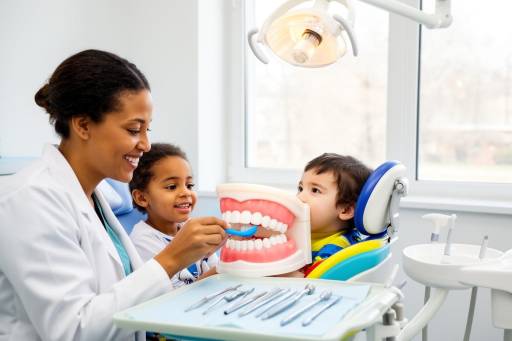
What Are Pediatric Dental Treatments?
Pediatric dental treatments encompass a variety of procedures aimed at maintaining and restoring the oral health of children. These treatments include preventive measures like fluoride applications and sealants, restorative procedures such as fillings and extractions, and specialized care tailored to children's unique dental needs. Early and appropriate dental care plays a vital role in ensuring healthy development of teeth and gums, preventing future complications, and fostering lifelong oral hygiene habits.
Children's dental care requires a gentle approach and expertise in managing young patients to reduce anxiety and provide effective treatment. Pediatric dentists are specialists trained to address the distinct dental challenges children face, from infancy through adolescence. By understanding the types of treatments available and their purposes, parents can better support their child's oral health journey and know what to expect during dental visits.
Incorporating regular dental check-ups and timely interventions helps protect children from common issues such as cavities, gum disease, and dental trauma. This article highlights common pediatric dental procedures, the importance of routine visits, how to prepare your child for dental care, choosing the right pediatric dentist, and recognizing signs that may require special attention.
Find the Right Dental Care for Your Child
Answer a few short questions and HealthNode will help you connect with the right pediatric dentist or child-friendly dental specialist.
Symptoms and Comfort
This helps us understand whether your child may need routine care, cavity treatment, urgent dental review, or a child-friendly approach.
Previous Dental Care and Treatment Interest
A few details help the dentist understand what type of pediatric dental care may be most suitable.
Final Details
Share anything important so the pediatric dentist can better understand your child’s needs.
Contact information
Your information is only used to contact you and is never shared with third parties.
Your request has been received!
Thank you. If you have dental X-rays, photos of the tooth or gums, previous treatment notes, orthodontic records, medication history, or details about pain, swelling, injury, or cavities, please keep them ready. A HealthNode consultant will guide you through the next step.
Common Pediatric Dental Procedures Explained
Pediatric dental procedures are designed to prevent, detect, and treat oral health issues in children effectively and comfortably. Among the most common treatments are dental fillings, which repair cavities caused by tooth decay. These fillings restore the tooth's function and prevent decay from progressing further.
Sealants are another preventive option frequently used in children's dentistry. They are thin coatings applied to the chewing surfaces of back teeth to block food and bacteria from settling into grooves, reducing the risk of cavities. Fluoride treatments strengthen tooth enamel, making it more resistant to decay. These treatments are typically applied as a varnish or gel during dental visits.
In some cases, tooth extractions may be necessary if a tooth is severely decayed, damaged, or obstructing the growth of permanent teeth. Pediatric dentists carefully evaluate each situation to determine the best course of action. These procedures not only protect your child's current oral health but also support proper development of their adult teeth and bite alignment.
Overall, these treatments work together to maintain healthy teeth and gums, reduce the need for more invasive procedures later, and promote a positive dental experience for children.
Importance of Regular Dental Check-Ups for Children
Routine dental check-ups are essential for children to maintain optimal oral health and prevent dental problems before they become serious. These visits allow the dentist to monitor tooth development, detect early signs of cavities or gum issues, and provide professional cleanings that remove plaque and tartar buildup.
Early dental care helps establish good oral hygiene habits and familiarizes children with the dental environment, reducing anxiety for future visits. Preventive dentistry during check-ups, including fluoride treatments and sealants, plays a crucial role in protecting teeth from decay.
Regular visits also give parents valuable guidance on daily oral care routines, nutrition, and injury prevention. Detecting issues early allows for minimally invasive treatment, improving outcomes and reducing discomfort for your child. Establishing a dental home by age one or soon after the first tooth erupts ensures ongoing care tailored to your child's changing needs.
How to Prepare Your Child for a Dental Visit
Helping your child feel comfortable before and during dental visits can make a significant difference in their experience. Start by talking positively about the dentist and explaining what will happen in simple, reassuring terms. Avoid using words that might cause fear, such as "pain" or "shot."
Reading children's books or watching videos about dental visits can familiarize your child with the process. Scheduling appointments at times when your child is well-rested and not hungry can also improve cooperation.
During the visit, bring a favorite toy or blanket to provide comfort. Stay calm and supportive, as your attitude can influence your child's feelings. Many pediatric dentists use child-friendly communication and distraction techniques to ease anxiety. If your child has significant dental fear, discuss sedation options with the dentist to ensure a safe and stress-free experience.
These steps help build trust and encourage your child to develop a positive attitude toward dental care that will last a lifetime.
Choosing the Right Pediatric Dentist for Your Child
Selecting a qualified pediatric dentist is key to providing your child with expert, compassionate dental care. Look for a dentist who is board-certified in pediatric dentistry and has experience treating children of various ages.
A child-friendly dental clinic should have an inviting environment with staff trained to work with young patients. You can ask about the dentist’s approach to managing anxiety, pain control options, and emergency care protocols.
Consider practical factors like office location, appointment availability, and whether the clinic accepts your insurance. Reading reviews and seeking recommendations from other parents or your child’s pediatrician can also help.
During your initial visit, observe how the dentist interacts with your child and whether they take time to explain procedures in a reassuring way. Finding the right dental home builds trust and supports your child's oral health journey with personalized care.
Signs Your Child Needs Special Dental Attention
Certain symptoms in your child’s oral health may indicate the need for urgent or specialized dental care. Persistent tooth pain, swelling, or bleeding gums are signs that a dental evaluation should be sought promptly.
Dental trauma, such as a knocked-out, fractured, or loose tooth, requires immediate professional attention to prevent complications. Difficulty chewing, speech issues, or abnormal bite development may also warrant specialized pediatric dental treatments.
Delayed tooth eruption or excessively crowded or misaligned teeth can affect oral function and aesthetics, often benefiting from early orthodontic consultation.
Being attentive to these signs and seeking timely care helps prevent worsening problems, supports proper dental development, and reduces the risk of infection or long-term damage.
Frequently Asked Questions
Q: At what age should my child first visit the dentist?
Find the Right Dental Care for Your Child
Answer a few short questions and HealthNode will help you connect with the right pediatric dentist or child-friendly dental specialist.
Symptoms and Comfort
This helps us understand whether your child may need routine care, cavity treatment, urgent dental review, or a child-friendly approach.
Previous Dental Care and Treatment Interest
A few details help the dentist understand what type of pediatric dental care may be most suitable.
Final Details
Share anything important so the pediatric dentist can better understand your child’s needs.
Contact information
Your information is only used to contact you and is never shared with third parties.
Your request has been received!
Thank you. If you have dental X-rays, photos of the tooth or gums, previous treatment notes, orthodontic records, medication history, or details about pain, swelling, injury, or cavities, please keep them ready. A HealthNode consultant will guide you through the next step.
A: It is recommended that children have their first dental visit by the age of one or within six months after their first tooth erupts. Early visits help establish a dental home and allow the dentist to monitor oral development from the start.
Q: Are pediatric dental treatments painful for children?
A: Most pediatric dental treatments are designed to minimize discomfort using gentle techniques and local anesthesia when needed. Dentists may offer sedation options for anxious or very young children to ensure a comfortable experience.
Q: How can I prevent cavities in my child's teeth?
A: Preventing cavities involves regular brushing with fluoride toothpaste, limiting sugary snacks and drinks, and maintaining routine dental check-ups. Sealants and fluoride treatments provided by the dentist also offer effective protection against decay.
Q: What should I do if my child has a dental emergency?
A: In case of a dental emergency, contact your pediatric dentist immediately. For trauma or bleeding, follow first aid steps such as rinsing the mouth with water and applying gentle pressure to stop bleeding, then seek urgent professional care.
Q: Are sealants effective in protecting children's teeth?
A: Yes, dental sealants are a proven preventive treatment that helps protect the chewing surfaces of back teeth from cavities by sealing deep grooves where food and bacteria can accumulate.
Q: When should my child start orthodontic treatment?
A: Orthodontic evaluation typically begins around age 7 to identify alignment issues early. Early assessment can guide timely interventions that may simplify or shorten future orthodontic treatment.
The information provided is for educational purposes only and does not constitute medical advice. Always consult with a healthcare professional for medical guidance specific to your situation.