Quick Answer
Smoking and vaping can irritate eyes recovering from PRK, but exposure alone does not mean healing will be delayed. Tell your surgeon about personal or secondhand exposure, follow prescribed aftercare, and ask the care team what precautions fit your recovery.
- Smoke and vape aerosol may contribute to dryness, watering, gritty sensations, or discomfort during recovery.
- Tell your surgeon what products you use, how often, and whether secondhand exposure is likely.
- There is no universal timeline for stopping or restarting smoking or vaping after PRK; ask your surgeon for advice specific to you.
- Choose smoke-free surroundings when possible, avoid rubbing irritated eyes, and follow your surgeon’s protective measures.
- Use prescribed eye drops exactly as directed and do not stop, change, or add drops without consulting your eye-care team.
- Attend scheduled follow-up visits and contact your care team about worsening symptoms or sudden changes in vision.
- If traveling for PRK, plan a smoke-free recovery space, save clinic contact details, and confirm follow-up and travel instructions.
How Should Smoking and Vaping Be Addressed in a PRK Aftercare Plan?
Smoking and vaping during PRK recovery can expose your healing eyes to smoke or aerosol that may irritate the eye surface. This may contribute to dryness, watering, or discomfort, but exposure does not mean that healing will definitely be delayed. Tell your eye surgeon if you smoke, vape, or expect to be around secondhand smoke. Your care team can advise you based on your procedure, symptoms, health history, and healing progress rather than relying on a universal stop-or-restart timeline.
PRK reshapes the cornea, the clear front surface of the eye. After treatment, the surface needs time to heal, and your instructions may include prescribed drops, protective measures, and scheduled follow-up visits. Smoke-free surroundings are a practical way to reduce avoidable irritation, but they do not replace your medication or clinical checks. If you are traveling for treatment, planning where you will recover and how you will reach your surgical team matters too. You can raise these issues without judgment: clinicians need accurate information to tailor advice, not to criticize your choices. If symptoms worsen or you are unsure whether a change is expected, contact the eye-care team that is managing your recovery.
Why smoke and vape aerosol can irritate healing eyes
PRK removes the surface layer of the cornea before reshaping the tissue underneath. That surface then heals, so your eyes may feel sensitive during recovery. Smoke and vape aerosol can irritate the eyes and may add to dryness, watering, or a gritty sensation. These effects can vary from person to person, and irritation alone does not show whether the cornea is healing normally.
Get expert support for your treatment
Let our coordination team prepare a personalized plan for you.
Contact information
Your information is only used to contact you and is never shared with third parties.
Your request has been received!
Your request has been received! Our coordination team will contact you as soon as possible.
Smoking after PRK and vaping after PRK are worth discussing because the exposure is close to a sensitive eye surface. Being in a smoky room, sitting near someone who is vaping, or spending time in a poorly ventilated space may be uncomfortable while your eyes are recovering. You might notice symptoms during exposure or afterward, but do not assume that every change in vision or discomfort is caused by smoke.
PRK recovery can include temporary discomfort and fluctuating vision, so it helps to consider symptoms alongside your surgeon’s instructions and examination findings. If smoke or aerosol makes your eyes sting, move to cleaner air when possible and avoid rubbing them. Contact your eye-care team if symptoms are severe, worsening, or different from what they told you to expect. Their assessment, not the exposure alone, guides decisions about your recovery.
Tell your PRK surgeon what you smoke or vape
Before surgery, tell your surgeon whether you smoke or vape, what products you use, and how often. Mention nicotine use even if you do not smoke tobacco, and include any likely secondhand exposure at home or work. This gives the care team relevant context when discussing your medical history and aftercare.
After PRK, update the team if your use changes or if exposure is difficult to avoid. You do not need to decide on your own when to stop or restart. The right advice can depend on your healing progress, symptoms, other health conditions, and the surgeon’s protocol. Ask directly what precautions apply to you and when they want you to check in again.
A practical conversation can be brief and specific: “I vape most days,” or “People smoke in the place where I’m staying.” You can also ask whether your current symptoms need an examination and how to reach the clinic outside routine appointments. If language differences make details hard to explain, request an interpreter or written instructions in a language you understand. Clear disclosure helps your clinician give advice suited to your situation, without assuming that every patient has the same exposure or recovery.
Make your recovery space easier on sensitive eyes
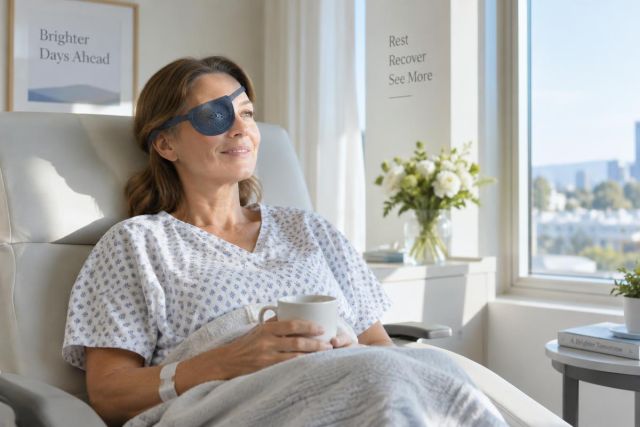
Where possible, choose a place to recover that is free of smoke and vape aerosol. Ask household members, companions, or hosts not to smoke or vape in the same room or near you. If you cannot control the whole environment, consider spending recovery time in a better-ventilated area away from the source. These are practical exposure-reduction steps, not a substitute for your surgeon’s instructions.
For a manageable plan, you can:
- Let people around you know that smoke or aerosol may irritate your recovering eyes.
- Avoid smoky indoor spaces and areas where vaping is taking place when you can.
- Keep your prescribed drops and aftercare instructions accessible, especially if you change locations.
- Ask your care team what to do if exposure causes persistent irritation.
Aim for a comfortable environment rather than trying to make every setting perfect. Avoid rubbing your eyes if they feel irritated, and follow any protective measures your surgeon prescribed. Do not add, stop, or change eye drops just because the air feels dry or your eyes water. If you are unsure whether a room, activity, or exposure is appropriate during your recovery, ask the team responsible for your follow-up care.
Keep prescribed drops and symptom checks central to aftercare
Use your prescribed eye drops exactly as directed, even if smoke or vaping seems to be the main source of irritation. Do not stop a medication, change its schedule, or add non-prescribed drops without asking your eye-care team. If you have trouble following the instructions, clarify the dose and timing rather than guessing. Keeping a written schedule can help when you are tired or away from home.
Attend the follow-up visits arranged by your surgeon. These checks let the team assess your eyes and respond to concerns that cannot be judged reliably from symptoms alone. Temporary irritation or fluctuating vision may occur during recovery, but you should follow the specific expectations your clinician gave you. If your symptoms change, explain when they began and whether they followed smoke or aerosol exposure.
Contact your eye-care team promptly about worsening pain, increasing redness, discharge, or sudden changes in vision. These symptoms need professional guidance rather than a change in drops made on your own. If you are uncertain whether a symptom is urgent, use the contact method your clinic provided and describe what is happening. Follow your eye-care team’s instructions about medication safety.
Arrange smoke-free recovery and follow-up when traveling
If you are receiving PRK away from home, plan your recovery setting before the procedure. Confirm that your accommodation can provide a smoke-free room or a suitable area away from smoking and vaping. If you are traveling with someone who uses these products, discuss where they can do so without exposing you. A clear plan can reduce last-minute stress when your eyes are sensitive.
Before leaving the surgical location, save the clinic’s contact details and ask how to get help after hours. Confirm which follow-up visits must happen in person, what to do if symptoms develop during travel, and whether a local eye-care professional should be identified as backup. Keep your medication instructions and relevant records with you.
Do not assume that travel is appropriate simply because you feel well enough to leave. Ask your surgeon when it is suitable to travel and what precautions apply to your route and recovery stage. If you develop concerning symptoms away from the clinic, contact your treating team promptly and ask where to obtain local assessment. Continuity matters: a plan for communication and follow-up should travel with you.
Frequently Asked Questions
Q: Should I stop smoking or vaping before PRK?
A: Tell your surgeon about smoking or vaping before your procedure, including how often you use these products. Ask whether they recommend any changes before surgery based on your health and treatment plan. Do not rely on a general timeline from another patient.
Q: How long should I avoid smoking or vaping after PRK?
Get expert support for your treatment
Let our coordination team prepare a personalized plan for you.
Contact information
Your information is only used to contact you and is never shared with third parties.
Your request has been received!
Your request has been received! Our coordination team will contact you as soon as possible.
A: There is no universal timeline that applies to every patient. Ask your surgeon when to avoid smoking, vaping, and secondhand exposure, and follow their advice for your recovery. Check back if your symptoms or healing progress change.
Q: Can secondhand smoke affect my recovering eyes?
A: Secondhand smoke can irritate the eyes and may contribute to dryness or discomfort during recovery. Try to avoid smoky spaces and ask people around you not to smoke nearby. Contact your care team if irritation persists or worsens.
Q: Is vaping safer for my eyes than smoking during recovery?
A: Do not assume vaping is harmless to recovering eyes, since its aerosol may also irritate them. Tell your surgeon what you use and ask what precautions are appropriate for you. Limiting exposure is a reasonable practical step while you follow your clinical instructions.
Q: What should I do if smoke or vape aerosol irritates my eyes?
A: Move away from the exposure and do not rub your eyes. Continue prescribed drops as directed, without adding or changing medication on your own. Contact your eye-care team if the irritation does not settle, worsens, or comes with concerning symptoms.
Q: Should I change my prescribed eye drops because of dryness?
A: No, do not stop or change prescribed drops without asking the clinician who manages your recovery. Describe the dryness, when it occurs, and any smoke or aerosol exposure. Your care team can advise whether your plan needs adjustment.
The information provided is for educational purposes only and does not constitute medical advice. Always consult with a healthcare professional for medical guidance specific to your situation.