Quick Answer
PRK after a corneal transplant requires an individualized assessment by specialists familiar with grafts and refractive surgery. They review graft health, healing history, vision goals, and corneal measurements to determine whether there is enough reliable information to discuss potential benefits, risks, and alternatives.
- A corneal transplant does not automatically make someone suitable or unsuitable for PRK.
- Specialists may review the type and date of the transplant, why it was needed, healing, and any complications.
- Assessment may include vision and prescription checks, graft and eye-surface examinations, and corneal shape and thickness measurements.
- Past records can help clinicians compare findings over time and judge whether the graft and prescription appear stable.
- An unstable graft, an active eye problem, changing prescription, or inconsistent measurements may lead to postponing a decision.
- Glasses, contact lenses, or other approaches may be discussed as alternatives, depending on the person’s graft status and visual needs.
- People seeking care away from home should arrange to share transplant records and establish a clear follow-up plan.
Why Does PRK After a Corneal Transplant Require Specialist Assessment?
PRK after a corneal transplant is a case-by-case decision that should be assessed by specialists familiar with both corneal grafts and refractive surgery. A transplant changes the cornea’s shape, tissue profile, and healing history, so routine laser vision correction screening may not answer all the questions. That does not mean PRK is automatically unsuitable, or that it is right for you. Your own graft health, measurements, vision goals, and broader eye health all matter.
If you are considering laser eye surgery after corneal transplant, a clinician may first review why you needed the transplant, what type of procedure you had, and how your eye has healed over time. They may assess your prescription and vision, examine the graft, and take detailed measurements of corneal shape and thickness. A cornea specialist and a refractive surgeon may both contribute, particularly when your surgical history is complex. The aim is to decide whether there is enough reliable information to discuss potential benefits, risks, and alternatives, not to promise a particular result. If you are seeking care away from home, arrange for your transplant records and a clear follow-up plan to be part of the discussion. General information cannot determine candidacy, so take personal questions to a qualified eye-care professional who can examine you.
Why a corneal transplant changes PRK candidacy
PRK reshapes the cornea’s front surface to correct refractive error. After a transplant, that surface may include donor tissue joined to your own cornea, or tissue altered by the specific graft procedure. The junction, any sutures used during healing, and the reason for transplantation can all affect how an eye is examined and how its measurements are interpreted. A standard screening pathway may therefore be insufficient on its own.
Get expert support for your treatment
Let our coordination team prepare a personalized plan for you.
Contact information
Your information is only used to contact you and is never shared with third parties.
Your request has been received!
Your request has been received! Our coordination team will contact you as soon as possible.
The transplant history also matters because the cornea may have experienced healing changes, scarring, or complications that are not present in an eye without prior surgery. Your specialist needs to know whether your graft has remained clear and stable, and whether your vision or prescription has changed. A review of old records can help explain how the eye has changed over time, rather than relying only on one appointment’s findings.
This is a specialized candidacy question, not a blanket rule against laser treatment. Some people may be able to discuss PRK after a thorough evaluation, while others may be advised that the risks or uncertainty outweigh the possible benefit. If the main goal is less dependence on glasses, discuss what level of improvement is realistic in your particular eye. You can read more about how PRK reshapes the corneal surface, but a general description cannot predict the effect on a transplanted cornea.
What specialists assess before considering PRK
A comprehensive assessment usually begins with your transplant history. The team may review the type and date of graft surgery, the reason it was needed, the course of healing, and any later procedures. Tell them about episodes of graft rejection, infection, inflammation, or other complications, even if they were treated successfully. Bring operative records and a current medication list when available.
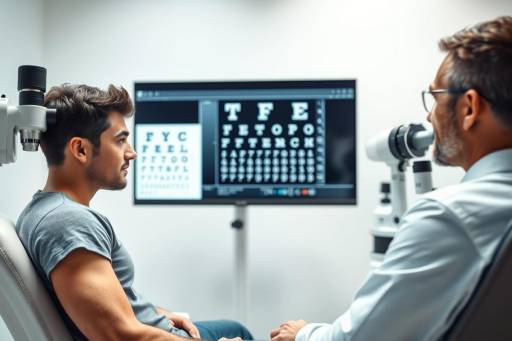
The eye examination may include an assessment of graft clarity and surface health, along with checks of your vision and prescription. Clinicians may compare current findings with past measurements to see whether the eye appears stable. They may also examine the rest of the eye, since dry eye or other ocular surface problems can affect comfort, test quality, and planning. The exact tests vary according to your history and examination.
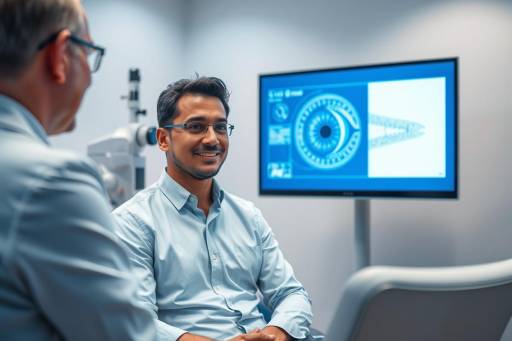
A cornea specialist can interpret graft-specific findings, while a refractive surgeon can assess whether the proposed laser correction is technically appropriate. These roles may be handled by one clinician with relevant expertise or involve collaboration. Ask who will review your transplant history and who will coordinate care if you are travelling internationally. Language support can also help you understand the findings and follow-up instructions. A full list of medicines and supplements is useful, since treatments can influence the assessment and care plan.
How corneal shape, thickness, and healing affect the decision
Corneal mapping, often called topography or tomography, creates a detailed picture of the cornea’s contour. After a transplant, the surface may not have the regular shape expected in an untreated eye. Mapping helps the clinician see whether the measurements are consistent and whether the shape can be interpreted reliably for planning. If scans differ between visits, more evaluation or time may be needed before a decision is made.
Thickness measurements matter because PRK removes a controlled amount of tissue from the corneal surface. A graft can have a different thickness profile from the surrounding tissue, so a single number may not tell the whole story. The specialist considers thickness alongside corneal shape, the location of the graft, the intended correction, and the overall health of the eye. There is no universal threshold that establishes suitability for every transplanted cornea.
Healing and surface conditions can also affect test results. Dryness, scars, prior procedures, or changes at the graft edge may influence vision and the quality of measurements. Your clinician may repeat testing if the surface is unsettled or the results do not agree. If you wear contact lenses, ask whether you should pause them before measurements, because lens use can affect corneal shape readings. Further background on corneal thickness measurements for PRK can help you prepare questions, but your graft requires its own interpretation.
When PRK may be considered or postponed
A specialist may discuss PRK only when the available findings allow a careful plan. That discussion can include whether the graft appears healthy and stable, whether vision and measurements are sufficiently consistent, and whether the likely visual benefit matches your priorities. You may value clearer unaided distance vision, for example, but still need glasses for some tasks. A clinician can explain what laser correction might and might not address in your situation.
Assessment may lead to postponing a decision rather than accepting or ruling out PRK permanently. An unstable graft, active eye problem, changing prescription, or measurements that do not support reliable planning may prompt more monitoring or treatment of the underlying issue first. If the specialist cannot confidently judge the risk from current information, waiting for additional records or repeat tests can be a reasonable clinical step.
The transplant history may make risks and outcomes harder to predict than in an otherwise uncomplicated cornea. Your specialist should discuss uncertainties that are specific to your eye, including the possibility that PRK may not provide the visual change you want. Alternatives could include glasses, contact lenses, or other approaches selected by your treating team. Ask how each option fits your graft status and daily needs instead of assuming laser treatment is the only route. Decisions should follow an examination and shared discussion, not a general eligibility checklist.
Questions to raise with your cornea and refractive specialists
A prepared discussion can help you understand why a specialist recommends more testing, waiting, or considering an option other than PRK. You might ask: Is my graft clear and stable? Which findings are most important in my case? Do my vision and prescription measurements agree over time? What uncertainties remain, and how would they affect the potential benefit or risk?
Ask which tests are planned and what each one is intended to assess. You can also ask whether the graft’s shape or thickness changes the laser plan, whether surface dryness or scarring needs attention, and whether glasses or contact lenses could meet your visual goals. If PRK is not recommended now, ask what would need to change before the decision could be reviewed, if reassessment is appropriate.
Bring your transplant operation report, past eye examination results, medication history, and details of any rejection episodes or other complications. For care in another country, ask how your records will be shared with your usual eye-care team, what language support is available, and who will arrange follow-up after you return home. Do not assume a remote review can replace the in-person examination and testing needed to assess the eye. A discussion with a qualified cornea or refractive specialist can help you weigh your options without pressure.
Frequently Asked Questions
Q: Is PRK possible after a corneal transplant?
A: It may be considered for some people, but a transplant does not automatically make someone suitable or unsuitable. A specialist needs to examine the graft, review its history, and assess current measurements and visual goals. Only an individualized evaluation can guide a personal decision.
Get expert support for your treatment
Let our coordination team prepare a personalized plan for you.
Contact information
Your information is only used to contact you and is never shared with third parties.
Your request has been received!
Your request has been received! Our coordination team will contact you as soon as possible.
Q: How long after a transplant can PRK be assessed?
A: There is no single waiting period that applies to every transplant and every patient. Timing depends on graft healing, stability, complications, and whether repeated measurements are consistent. Ask your treating cornea specialist when your eye is ready for an assessment.
Q: Which specialists should assess PRK after keratoplasty?
A: A cornea specialist can assess graft health and interpret transplant-related findings. A refractive surgeon can evaluate whether laser correction may be planned appropriately. Depending on your case, these clinicians may work together or one clinician may have expertise in both areas.
Q: What tests may be done before PRK after transplant?
A: Your assessment may include vision and prescription checks, an examination of the graft and ocular surface, and corneal shape and thickness measurements. The exact tests depend on your transplant history and current findings. Bring earlier records so clinicians can compare results over time.
Q: Are glasses or contact lenses alternatives to PRK?
A: Glasses or contact lenses may be options, depending on your vision needs, graft condition, and comfort. Your clinician can discuss whether either approach is suitable and whether other options merit consideration. Do not change your eye-care plan without discussing it with your treating professional.
The information provided is for educational purposes only and does not constitute medical advice. Always consult with a healthcare professional for medical guidance specific to your situation.