Quick Answer
Disliking the result of a previous rhinoplasty does not automatically mean revision surgery is medically necessary; medical need arises primarily from functional problems such as breathing difficulties or structural issues. Revision surgery should be considered only when there are clear medical indications or realistic expectations after thorough evaluation by a specialist.
- Cosmetic dissatisfaction after rhinoplasty is common but does not usually indicate a medical problem requiring revision surgery.
- Medical necessity for revision rhinoplasty typically involves functional issues like nasal obstruction, structural collapse, or complications affecting breathing.
- Revision rhinoplasty carries higher risks and complexity than primary surgery due to scar tissue and altered anatomy.
- Consulting a qualified rhinoplasty specialist helps distinguish between cosmetic concerns and medical needs and guides appropriate treatment.
- A thorough evaluation including medical history, physical exam, and possibly imaging is essential before planning revision surgery.
- Non-surgical options like dermal fillers may temporarily improve minor aesthetic concerns but do not address functional problems.
- Managing expectations is crucial since revision surgery outcomes can be less predictable and perfection is rarely guaranteed.
A Previous Rhinoplasty Result You Dislike Does Not Automatically Make Revision Medically Necessary
When you are unhappy with the outcome of a previous rhinoplasty, it does not necessarily mean that revision surgery is medically required. Cosmetic dissatisfaction alone does not automatically translate into a health problem or medical complication that needs correction. Many patients seek revision rhinoplasty primarily for aesthetic reasons, which is a valid personal choice but distinct from situations where a medical indication exists.
Understanding the difference between cosmetic concerns and medical necessity is crucial before considering another surgery. Revision rhinoplasty involves additional risks due to factors such as scar tissue, altered anatomy, and increased surgical complexity. These risks include bleeding, infection, prolonged swelling, and the possibility of less predictable results compared to the initial procedure. Therefore, revision surgery should be approached with clear reasons, especially when health issues such as breathing difficulties or structural problems are present.
This guidance helps you make informed decisions and consult appropriately with qualified specialists who can evaluate both the functional and aesthetic aspects of your nose. Knowing when revision surgery is medically justified helps set realistic expectations and ensures that any intervention is safe and beneficial. If you feel uncertain about your rhinoplasty results, learning about the signs that require medical evaluation can protect your health and improve satisfaction with your care options. Ultimately, a thoughtful, individualized approach maximizes the chances of achieving the best possible outcome.
Find Out If Rhinoplasty Is Right for You
Answer a few quick questions and receive a personalized nose surgery assessment from Healthnode.
Choose Your Nose Concern
Select the option that best matches what you would like a specialist to review.
Breathing & Previous Surgery
These details help us understand whether your case may be cosmetic, functional, or revision-related.
Quick Suitability Check
A few basic details help the specialist understand your profile before contacting you.
Final Details
Share anything important so the specialist can better understand your expectations.
Contact information
Your information is only used to contact you and is never shared with third parties.
Your request has been received!
Thank you. For a more accurate assessment, please prepare clear photos from the front, both side profiles, both 45-degree angles, and below the nose. A HealthNode consultant will guide you through the next step.
Recognizing the Difference Between Cosmetic Dissatisfaction and Medical Need
Dissatisfaction with the appearance of your nose after rhinoplasty is often related to cosmetic preferences rather than medical complications. This type of dissatisfaction can arise from subtle differences in shape, asymmetry, or changes that do not align with your initial expectations or aesthetic goals. These concerns, while important to your self-image and confidence, do not necessarily indicate that your breathing or nasal function is impaired.
Medical necessity for revision rhinoplasty typically involves functional problems such as nasal obstruction, difficulty breathing, persistent infections, or deformities that affect your overall health and quality of life. These issues may result from structural abnormalities, scar tissue, or complications from the initial surgery. Differentiating cosmetic dissatisfaction from medical issues requires a clear understanding of your symptoms, nasal function, and the impact on your daily activities.
Consulting a qualified rhinoplasty specialist can help clarify whether your concerns are purely aesthetic or if there is a health-related reason that warrants revision surgery. This distinction is vital because revision surgery carries increased complexity and risks compared to primary rhinoplasty, including the potential for further scarring, prolonged recovery, and unpredictable results. Therefore, revision surgery should only be pursued when medically or functionally justified, or when the patient has realistic expectations and fully understands the risks involved. A thorough evaluation and open discussion with your surgeon will help guide the best course of action for your individual needs.
Common Reasons Patients Seek Rhinoplasty Revisions and When They Are Medically Indicated
Patients seek revision rhinoplasty for various reasons, but not all of these reasons indicate a medical need. The most common medical indications for revision surgery include nasal airway obstruction, structural collapse, or complications such as excessive scar tissue formation that impair nasal function. These issues can lead to symptoms like difficulty breathing, chronic nasal congestion, recurrent sinus infections, or persistent nasal pain, which qualify as medical reasons for revision surgery.
On the other hand, many patients request revision rhinoplasty due to dissatisfaction with the aesthetic outcome. These concerns often involve irregular contours, asymmetry, or dissatisfaction with changes in size or shape of the nose. While these aesthetic concerns are important personal considerations that affect self-image and confidence, they do not represent medical indications unless they also compromise nasal function.
Understanding the difference between medical and cosmetic reasons for revision helps prioritize treatment appropriately. When breathing problems or structural issues are present, revision surgery is often necessary to restore nasal function and improve quality of life. Cosmetic revisions remain elective and should be approached with careful consideration of the risks, potential benefits, and realistic expectations. Patients should be aware that revision surgery is generally more complex and carries higher risks than primary rhinoplasty, so the decision to proceed should be made thoughtfully in consultation with a qualified specialist.
Assessing Your Rhinoplasty Outcome: When to Consult a Specialist
Evaluating whether your dissatisfaction with rhinoplasty results warrants a medical consultation involves observing specific signs and symptoms that may indicate functional or structural problems. If you experience breathing difficulties, nasal obstruction, chronic congestion, recurrent infections, or persistent nasal pain, these are clear indicators that you should seek professional evaluation. Such symptoms may suggest underlying issues like scar tissue formation, nasal valve collapse, or unresolved anatomical abnormalities that require medical attention.
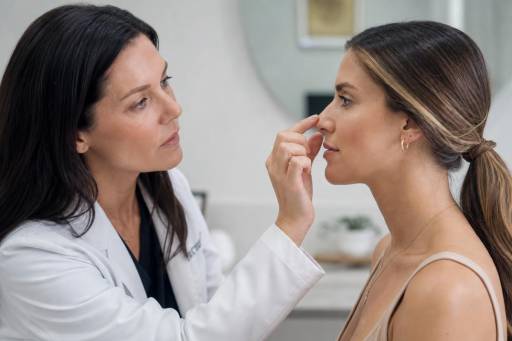
Even if your concerns are primarily cosmetic, consulting a rhinoplasty specialist can provide a comprehensive assessment of your nasal structure and function. A specialist can help you understand the nature of your dissatisfaction by examining both the aesthetic and functional aspects of your nose. They can determine whether revision surgery or non-surgical options might effectively address your concerns while considering the risks and benefits.
Early consultation is beneficial because it allows you to discuss your goals openly, receive expert advice tailored to your unique anatomy, and explore all available treatment options. It also ensures that any underlying medical issues are identified and managed appropriately, which can prevent unnecessary or risky surgery. Timely evaluation helps optimize outcomes by addressing problems before they worsen and supports better planning for any potential revision procedures.
The Role of a Thorough Evaluation in Planning a Revision Rhinoplasty
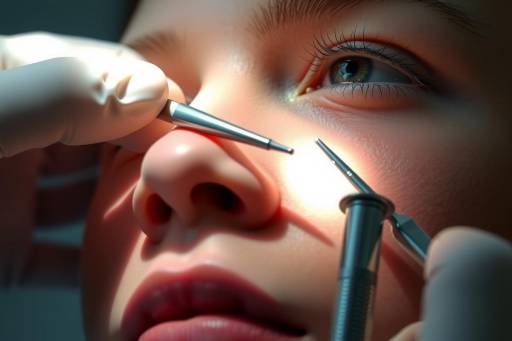
Before proceeding with revision rhinoplasty, a comprehensive medical evaluation is essential to ensure safety and optimize outcomes. This evaluation typically includes a detailed medical history, physical examination, and diagnostic imaging when necessary to assess the nasal anatomy and function thoroughly. Understanding the specific anatomical features and any complications from the initial surgery helps identify factors contributing to symptoms or aesthetic concerns.
Diagnostic procedures may include nasal endoscopy to visualize the internal nasal passages, airflow studies to assess breathing function, or imaging such as CT scans to evaluate the nasal bones, cartilage, and sinuses. These assessments provide valuable information about structural abnormalities, scar tissue, or other issues that may influence surgical planning. The goal is to ensure that revision surgery is targeted to correct specific medical problems and is not performed unnecessarily for cosmetic reasons alone.
A careful preoperative assessment also helps surgeons develop a tailored surgical plan that minimizes risks such as excessive scarring, nasal obstruction, or unsatisfactory cosmetic results. This process supports patient safety by identifying contraindications or factors that may complicate surgery. Additionally, it enhances the likelihood of satisfactory results by setting realistic goals and preparing both the patient and surgeon for the challenges of revision procedures, whether they address functional problems or aesthetic concerns.
Managing Expectations and Exploring Non-Surgical Options for Cosmetic Concerns
Managing expectations is a key part of considering revision rhinoplasty, especially when the original surgery was primarily cosmetic. It is important to recognize that revision procedures tend to be more complex than primary surgeries because of changes in tissue, scarring, and altered anatomy from the initial operation. These complexities can increase the risks of complications and may limit the achievable outcomes. Understanding these factors helps you make informed decisions and prepares you mentally for the process. Realistic expectations about what revision surgery can accomplish are crucial for satisfaction; while improvements can be made, perfection is rarely guaranteed, and some irregularities may persist.
For minor aesthetic concerns, non-surgical rhinoplasty using dermal fillers or other minimally invasive treatments may offer temporary improvements without the risks associated with surgery. These options can smooth out irregularities, refine contours, or add volume to certain areas, providing subtle enhancements. However, it is important to understand that non-surgical methods do not correct structural issues such as breathing problems or significant deformities. The effects are typically temporary, lasting several months to a year, and repeated treatments may be necessary to maintain results.
Patient education and shared decision-making with a qualified specialist empower you to choose the best approach for your individual situation. Discussing your goals, concerns, and lifestyle factors allows the specialist to recommend options that balance benefits, risks, and recovery time. Whether you pursue revision surgery or non-surgical treatments, clear communication about realistic goals and potential results contributes to a positive experience and safer care. Being well-informed helps you weigh the pros and cons and set expectations that align with your personal priorities and health considerations.
Frequently Asked Questions
Q: What distinguishes cosmetic dissatisfaction from medical need for revision?
Find Out If Rhinoplasty Is Right for You
Answer a few quick questions and receive a personalized nose surgery assessment from Healthnode.
Choose Your Nose Concern
Select the option that best matches what you would like a specialist to review.
Breathing & Previous Surgery
These details help us understand whether your case may be cosmetic, functional, or revision-related.
Quick Suitability Check
A few basic details help the specialist understand your profile before contacting you.
Final Details
Share anything important so the specialist can better understand your expectations.
Contact information
Your information is only used to contact you and is never shared with third parties.
Your request has been received!
Thank you. For a more accurate assessment, please prepare clear photos from the front, both side profiles, both 45-degree angles, and below the nose. A HealthNode consultant will guide you through the next step.
A: Cosmetic dissatisfaction relates to appearance preferences and does not usually affect nasal function. Medical need involves functional problems like breathing difficulties or structural issues requiring correction.
Q: When is revision rhinoplasty medically necessary?
A: Revision is medically necessary when there are problems such as nasal obstruction, structural collapse, or complications impacting breathing or health that need surgical correction.
Q: How do I know if I should consult a specialist about my rhinoplasty results?
A: Consult a specialist if you experience breathing problems, nasal congestion, or persistent discomfort after rhinoplasty. Even cosmetic concerns can benefit from professional evaluation to explore options safely.
Q: Are there non-surgical alternatives for dissatisfaction with rhinoplasty results?
A: Yes, non-surgical options like dermal fillers can address minor aesthetic issues temporarily. These treatments are less risky but do not correct functional nasal problems.
Q: What should I expect during the evaluation for revision rhinoplasty?
A: The evaluation includes a medical history review, physical exam, and possibly imaging or nasal airflow studies. This helps identify any functional issues and guides safe, effective treatment planning.
The information provided is for educational purposes only and does not constitute medical advice. Always consult with a healthcare professional for medical guidance specific to your situation.