What Are The Most Common Complications After Rhinoplasty?
Rhinoplasty complications can affect your recovery and overall satisfaction with the procedure. Patients often seek this surgery for aesthetic improvements or functional issues like breathing difficulties. Knowing the most common rhinoplasty complications is essential for making informed decisions. Being aware of potential side effects of rhinoplasty can help you prepare for a smoother recovery.
Recognizing complications after nose surgery, such as infection or persistent swelling, is vital. Many patients experience some discomfort post-operatively, but understanding the warning signs can lead to prompt treatment. Proactive measures can greatly reduce the risk of post-operative rhinoplasty problems. Seeking guidance from your healthcare provider can ensure a more comfortable healing process.
Monitoring your recovery closely helps identify any emerging issues. Emotional challenges may arise if the results do not meet expectations. Addressing both physical and emotional aspects of recovery is crucial for overall well-being. Staying informed about rhinoplasty recovery tips will empower you to navigate this journey confidently. Keep reading to uncover essential insights that support a successful recovery.
Find Out If Rhinoplasty Is Right for You
Answer a few quick questions and receive a personalized nose surgery assessment from Healthnode.
Choose Your Nose Concern
Select the option that best matches what you would like a specialist to review.
Breathing & Previous Surgery
These details help us understand whether your case may be cosmetic, functional, or revision-related.
Quick Suitability Check
A few basic details help the specialist understand your profile before contacting you.
Final Details
Share anything important so the specialist can better understand your expectations.
Contact information
Your information is only used to contact you and is never shared with third parties.
Your request has been received!
Thank you. For a more accurate assessment, please prepare clear photos from the front, both side profiles, both 45-degree angles, and below the nose. A HealthNode consultant will guide you through the next step.
Warning Signs: When Is Post-Op Rhinoplasty Swelling Not Normal?
Post-operative rhinoplasty problems often include swelling that can be alarming. While some swelling is expected after surgery, excessive swelling may indicate complications. Patients should monitor their recovery closely to distinguish normal healing from abnormal signs. Recognizing when swelling after nose surgery is not normal is crucial for timely intervention.
Swelling that persists beyond a week can be concerning. Typical post-operative swelling should gradually decrease within this timeframe. If swelling remains pronounced or worsens, it may signal infection or another issue. Patients should also be aware of other warning signs, such as increased pain or fever. These symptoms may indicate serious rhinoplasty complications that require medical attention.
Changes in the color of the swollen area can also be a red flag. If the skin appears increasingly red or shows signs of bruising, it may signify complications. Patients should prioritize communication with their surgeon during recovery. This proactive approach helps address any post-operative rhinoplasty problems effectively.
Monitoring your recovery closely is essential for optimal healing. Keeping track of swelling patterns can help identify concerning signs. Following your surgeon's aftercare instructions can minimize risks and promote healing. If you notice unusual symptoms, contact your healthcare provider promptly. Staying informed about what to expect after rhinoplasty can empower you to ensure a successful recovery.
How to Minimize Infection Risks After Rhinoplasty Surgery
How to minimize infection risks after rhinoplasty surgery is essential for recovery. Patients must take proactive steps during their healing process. Effective strategies can significantly reduce the likelihood of complications after nose surgery. Implementing proper hygiene practices is crucial for preventing infection after rhinoplasty.
Maintaining cleanliness around the surgical site is vital. Gently cleaning the area with a prescribed saline solution can help. Patients should follow their surgeon's guidelines on when and how to cleanse. Avoiding touching the nose unnecessarily can further reduce the risk of introducing bacteria. Awareness of common side effects of rhinoplasty, such as excessive discharge, is essential for monitoring healing.
Adhering to prescribed medications can also help combat infection risks. Taking antibiotics as directed prevents bacterial growth and promotes healing. Additionally, keeping follow-up appointments allows your surgeon to monitor progress. If any unusual symptoms arise, such as fever or increased redness, contact your healthcare provider immediately. Quick action can prevent severe complications after nose surgery.
Following these rhinoplasty recovery tips can empower you to manage your healing. Prioritizing hygiene and adhering to medical advice significantly lowers infection risks. Staying informed about your recovery process helps you recognize potential issues. Engage with your healthcare team and ask questions throughout your recovery journey. Taking these steps ensures the best outcome for your rhinoplasty experience.
Scar Management: Crucial Tips for Better Rhinoplasty Healing
Scar management is essential for better rhinoplasty healing. Effective techniques can greatly minimize the appearance of scars after rhinoplasty. Patients should prioritize care to support optimal recovery. Implementing strategies early on helps reduce the risk of complications after nose surgery.
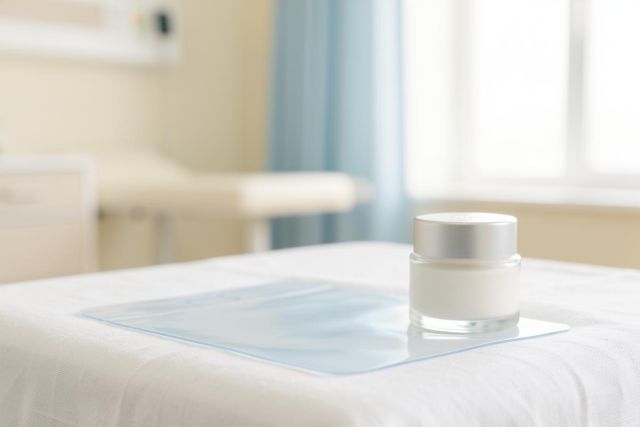
Applying silicone gel sheets can significantly enhance scar healing. These sheets provide a protective barrier and help retain moisture. Consistent use can lead to softer and flatter scars over time. Additionally, keeping the incision site clean is crucial for preventing infection and promoting healing. Following specific rhinoplasty recovery tips offered by your surgeon can further aid in scar management.
Sun protection is another critical factor in maintaining scar appearance. Exposing healing scars to sunlight can darken them and make them more noticeable. Using a high-SPF sunscreen on the scarred area is highly recommended. Additionally, consider massaging the scar with recommended creams to promote circulation and improve texture. These methods are effective in how to reduce rhinoplasty scars.
Implementing these scar management tips will enhance your recovery process. Prioritizing hydration and protection will support optimal healing. Engaging in open communication with your healthcare provider is essential. Discuss your concerns about scars openly for tailored advice. Taking these proactive steps can lead to a smoother recovery and better overall results from your rhinoplasty.
Emotional Recovery: Coping With Dissatisfaction After Rhinoplasty
Emotional recovery after rhinoplasty is often as important as physical healing. Many patients face dissatisfaction with their results, leading to emotional distress. Recognizing this aspect is essential for a holistic recovery process. Addressing these feelings early can help manage common rhinoplasty issues effectively.
Feelings of disappointment may stem from unrealistic expectations. Patients might envision a specific look based on images or discussions. When results differ from those expectations, it can lead to frustration. Engaging in open conversations with your surgeon can clarify what to expect after rhinoplasty. This communication helps align expectations with reality, reducing the potential for emotional distress.
Find Out If Rhinoplasty Is Right for You
Answer a few quick questions and receive a personalized nose surgery assessment from Healthnode.
Choose Your Nose Concern
Select the option that best matches what you would like a specialist to review.
Breathing & Previous Surgery
These details help us understand whether your case may be cosmetic, functional, or revision-related.
Quick Suitability Check
A few basic details help the specialist understand your profile before contacting you.
Final Details
Share anything important so the specialist can better understand your expectations.
Contact information
Your information is only used to contact you and is never shared with third parties.
Your request has been received!
Thank you. For a more accurate assessment, please prepare clear photos from the front, both side profiles, both 45-degree angles, and below the nose. A HealthNode consultant will guide you through the next step.
Support from friends and family plays a vital role in emotional recovery. Sharing your feelings can help alleviate anxiety and promote healing. Joining support groups or forums can also provide comfort and understanding. Hearing from others who have faced similar rhinoplasty complications can be incredibly reassuring. This shared experience fosters a sense of community and support.
Taking proactive steps can significantly enhance emotional well-being. Practicing self-care, such as meditation or gentle exercise, can alleviate stress. Regularly reviewing your progress with your healthcare provider keeps you informed. If feelings of dissatisfaction persist, consider speaking to a therapist. Addressing emotional recovery after rhinoplasty is crucial for achieving overall satisfaction with your results. Stay engaged in your healing journey and prioritize your mental health for a fulfilling recovery.
Frequently Asked Questions
Q: What are the most common rhinoplasty complications?
A: Common rhinoplasty complications include infection and excessive swelling. Many patients also experience breathing difficulties post-surgery. These issues can lead to dissatisfaction with results. Monitoring symptoms closely can help address complications early.
Q: How to manage side effects of rhinoplasty effectively?
A: Managing side effects of rhinoplasty includes following aftercare instructions. Applying cold compresses can reduce swelling and discomfort. Staying hydrated also promotes healing and minimizes post-operative rhinoplasty problems. Regular communication with your surgeon is essential.
Q: When should I be concerned about post-operative rhinoplasty problems?
A: Contact your surgeon if swelling persists beyond a week. Increased pain or fever may indicate complications after nose surgery. Unusual changes in the surgical site should not be ignored. Early intervention can prevent serious issues.
Q: How long does rhinoplasty recovery typically take?
A: Rhinoplasty recovery can take several weeks to months. Initial healing often occurs within the first two weeks. However, complete results may take up to a year. Following rhinoplasty recovery tips can enhance your healing process.
Q: What to expect after rhinoplasty regarding breathing difficulties?
A: Breathing difficulties can occur due to nasal swelling. Many patients experience congestion immediately after surgery. These issues should gradually improve over time. Consult your surgeon if breathing problems persist beyond the expected recovery period.
The information provided is for educational purposes only and does not constitute medical advice. Always consult with a healthcare professional for medical guidance specific to your situation.