Quick Answer
A small rhinoplasty refinement is more appropriate than rebuilding the nose when the nasal structure is largely intact and the concerns involve minor aesthetic or functional issues that can be corrected with subtle adjustments. Refinements are suitable for minor irregularities and offer shorter recovery times compared to full reconstruction, which is reserved for significant deformities or structural damage.
- Small rhinoplasty refinements address minor nasal irregularities such as slight asymmetry, small bumps, or mild breathing issues without major structural damage.
- Rebuilding the nose is necessary when there is significant deformity, structural damage, or functional impairment that cannot be corrected by minor adjustments.
- The stability and integrity of nasal bones, cartilage, and soft tissues are key factors in deciding between refinement and reconstruction.
- Refinements generally involve shorter operative times, faster recovery, and lower risks compared to full nose reconstruction.
- Patient goals and expectations influence the choice; refinements suit those seeking subtle improvements, while reconstruction is for more complex needs.
- Scar tissue from previous surgeries can limit the effectiveness of refinements and may necessitate reconstruction.
- Consulting a qualified facial plastic surgeon is essential to evaluate individual anatomy, medical history, and goals to determine the most appropriate surgical approach.
When Is a Small Rhinoplasty Refinement More Appropriate Than Rebuilding the Nose Again?
A small rhinoplasty refinement is often more appropriate than rebuilding the nose again when the concerns involve minor aesthetic or functional issues that can be corrected without extensive surgical intervention. This approach focuses on subtle adjustments to improve nasal appearance or breathing without the complexity and risks of full nose reconstruction. Choosing refinement over rebuilding depends on factors such as the stability of the nasal framework, the presence of scar tissue, and the patient’s goals.
Many patients face the decision between a minor refinement and a more involved reconstructive surgery after initial rhinoplasty or due to trauma. Refinements can offer effective solutions with shorter recovery times and reduced complications if the nasal structure is mostly intact. However, when significant deformities, structural damage, or functional impairments exist, reconstruction may be necessary.
Understanding the differences between these surgical options and assessing your individual needs with a qualified specialist is critical. This guidance ensures that you select the procedure that aligns best with your health status, aesthetic expectations, and long-term nasal function.
Find Out If Rhinoplasty Is Right for You
Answer a few quick questions and receive a personalized nose surgery assessment from Healthnode.
Choose Your Nose Concern
Select the option that best matches what you would like a specialist to review.
Breathing & Previous Surgery
These details help us understand whether your case may be cosmetic, functional, or revision-related.
Quick Suitability Check
A few basic details help the specialist understand your profile before contacting you.
Final Details
Share anything important so the specialist can better understand your expectations.
Contact information
Your information is only used to contact you and is never shared with third parties.
Your request has been received!
Thank you. For a more accurate assessment, please prepare clear photos from the front, both side profiles, both 45-degree angles, and below the nose. A HealthNode consultant will guide you through the next step.
Assessing the Need for a Rhinoplasty Refinement Versus Rebuilding
Determining whether a small rhinoplasty refinement will suffice instead of a full nose reconstruction begins with a thorough evaluation of your nasal anatomy and concerns. Refinements typically address minor irregularities such as slight asymmetry, small bumps, or subtle breathing issues that do not involve major structural damage. In contrast, rebuilding the nose involves reconstructive techniques to restore form and function after trauma, significant deformity, or failed previous surgeries.
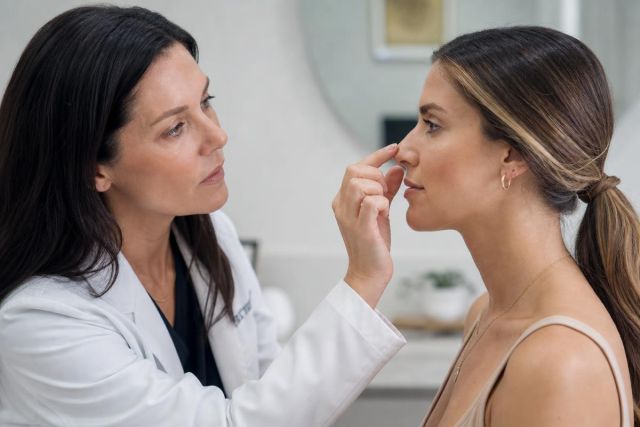
Your surgeon will assess the stability and integrity of your nasal bones, cartilage, and soft tissues. If these structures remain largely intact and the changes needed are minimal, refinement may be the preferred option. This approach can avoid the risks and extended recovery associated with major reconstructive procedures.
Patient assessment also includes reviewing your medical history, prior surgeries, and current symptoms. Your personal goals for appearance and function will guide the surgical plan. Some patients prioritize subtle enhancements that maintain natural nasal contours, which refinements can achieve effectively. Others with more complex issues may require rebuilding for satisfactory results. Consulting with a board-certified facial plastic surgeon skilled in both techniques will help clarify which path is appropriate for you.
Key Factors That Influence the Choice Between Refinement and Rebuilding
Several key factors influence the decision between a minor rhinoplasty refinement and a full nose rebuild. Clinical evaluation is paramount; surgeons carefully examine the extent of scar tissue, the condition of the nasal framework, and any existing airway obstructions. Scar tissue from previous surgeries can limit the effectiveness of refinements if it significantly distorts nasal anatomy.
The underlying nasal structure plays a critical role. If the cartilage and bone are damaged or insufficient, rebuilding techniques such as grafting or framework reconstruction may be necessary. Conversely, if the nasal skeleton is stable, minor reshaping or soft tissue adjustments can be sufficient.
Patient goals and expectations also guide the surgical recommendation. Some patients seek only small aesthetic corrections or minor functional improvements, making refinements appealing. Others may desire dramatic changes or have functional impairments that require reconstruction. The surgeon will balance these clinical findings with your personal desires to recommend the safest and most effective approach.
Timing since the previous surgery or injury matters as well. Refinements are often considered after swelling and healing have stabilized, typically several months post-operation. Immediate reconstruction is generally reserved for acute trauma or severe complications. An individualized plan ensures optimal outcomes tailored to your unique nasal anatomy and goals.
Expected Outcomes and Risks of Small Rhinoplasty Refinements
Small rhinoplasty refinements aim to enhance nasal appearance and function with less invasiveness than full reconstruction. Patients can expect subtle improvements such as smoothing minor irregularities, correcting asymmetry, or improving nasal breathing if the issue is mild. These procedures generally involve shorter operative times and faster recovery periods compared to rebuilding surgeries.
However, refinements carry risks including visible asymmetry, dissatisfaction with cosmetic results, infection, or the potential need for additional surgery. These risks tend to be lower than those associated with more complex reconstructive procedures but should still be discussed thoroughly with your surgeon.
The recovery process after a refinement typically involves mild swelling and bruising lasting several days to a week, with final results becoming apparent over several months as tissues settle. Patient safety is prioritized through careful surgical planning, sterile technique, and appropriate postoperative care.
Setting realistic expectations is crucial. Because refinements address less extensive concerns, dramatic transformations are unlikely. Understanding the scope and limitations of the procedure helps you make informed decisions and achieve satisfaction with your results.
When to Consult a Specialist for Rhinoplasty Decision-Making
Consulting a qualified facial plastic surgeon or rhinoplasty specialist is essential when considering whether a small refinement or nose rebuild is appropriate. You should seek evaluation if you experience persistent cosmetic dissatisfaction, breathing difficulties, nasal deformities, or complications following prior surgery.
A specialist will perform a detailed physical examination, assess nasal function, and review your medical and surgical history. Imaging studies may be ordered to evaluate the underlying bone and cartilage structures. This comprehensive assessment helps determine the extent of correction needed and the safest surgical approach.
Early consultation is important if you notice worsening deformities or functional impairments, as delaying treatment could complicate future surgery. Additionally, specialists can provide guidance on realistic outcomes, surgical risks, and recovery expectations tailored to your individual case.
Engaging with a surgeon who has extensive experience in both refinements and reconstructions ensures you receive balanced advice. This partnership empowers you to make informed decisions based on professional evaluation and your personal goals.
Preparing for Your Rhinoplasty Consultation: Questions to Ask Your Surgeon
Preparing thoughtful questions before your rhinoplasty consultation helps you communicate your concerns clearly and understand your surgical options. Start by asking about the surgeon’s experience with both refinements and full reconstructions, including how they determine which approach suits a patient best.
Inquire about the expected outcomes, risks, and recovery timelines for the procedure they recommend. Questions about how the surgery might affect nasal breathing and appearance over time are important to clarify.
Discuss the surgeon’s approach to managing scar tissue or previous surgical changes if applicable. Understanding how they handle potential complications and what follow-up care entails is also crucial.
Good doctor-patient communication builds trust and ensures your goals align with realistic surgical possibilities. Preparing a list of concerns and desired results ahead of time can make your consultation more productive and reassuring.
Frequently Asked Questions
Q: What is the difference between a rhinoplasty refinement and a nose rebuild?
Find Out If Rhinoplasty Is Right for You
Answer a few quick questions and receive a personalized nose surgery assessment from Healthnode.
Choose Your Nose Concern
Select the option that best matches what you would like a specialist to review.
Breathing & Previous Surgery
These details help us understand whether your case may be cosmetic, functional, or revision-related.
Quick Suitability Check
A few basic details help the specialist understand your profile before contacting you.
Final Details
Share anything important so the specialist can better understand your expectations.
Contact information
Your information is only used to contact you and is never shared with third parties.
Your request has been received!
Thank you. For a more accurate assessment, please prepare clear photos from the front, both side profiles, both 45-degree angles, and below the nose. A HealthNode consultant will guide you through the next step.
A: A rhinoplasty refinement typically involves minor adjustments to improve appearance or function, while a nose rebuild is a more extensive procedure that reconstructs the nasal structure, often due to trauma or previous unsuccessful surgery.
Q: How do I know if I am a candidate for a refinement instead of rebuilding?
A: Candidates for refinement usually have minor aesthetic or functional issues that can be addressed with less invasive procedures, and their nasal structure is generally stable. A thorough evaluation by a qualified surgeon is essential.
Q: What are the risks associated with a small rhinoplasty refinement?
A: Risks include asymmetry, dissatisfaction with results, infection, or need for further surgery, but these are generally lower than with more extensive procedures.
Q: How long is recovery after a rhinoplasty refinement?
A: Recovery time varies, but most patients can expect mild swelling and bruising for a few days to a week, with full results visible after several months.
Q: Can a rhinoplasty refinement improve nasal breathing issues?
A: Yes, if the issue is minor and related to structural adjustments, a refinement can improve nasal airflow, but more complex problems may require reconstructive surgery.
Q: When should I consider a second opinion for my rhinoplasty options?
A: If you are unsure about your surgeon’s recommendation or the best approach for your nose, seeking a second opinion from a qualified specialist can provide clarity and confidence.
The information provided is for educational purposes only and does not constitute medical advice. Always consult with a healthcare professional for medical guidance specific to your situation.