Quick Answer
Discuss a dendritic cell vaccine with family by separating evidence, uncertainties, practical concerns, and personal hopes, while keeping the patient’s goals at the center. The oncology team can help assess how the specific option relates to the patient’s cancer, current treatment, and care plan.
- Dendritic cell vaccine processes and protocols can differ, so ask the offering clinic what collection, processing, administration, and follow-up involve.
- Family members may have different hopes and concerns about evidence, travel, treatment burden, timing, and cost.
- Patient stories can be meaningful, but they cannot predict an individual outcome or establish that a vaccine is appropriate.
- Ask what evidence supports the specific vaccine protocol for the cancer type and what remains uncertain.
- Discuss potential harms, alternatives, and treatment timing with the treating oncology team before making a decision.
- For treatment offered abroad, clarify travel, records, language support, costs, care coordination, and follow-up after returning home.
- Family members do not have to agree before an adult patient makes an informed choice with qualified clinicians.
Discussing a Dendritic Cell Vaccine Decision With Family When Expectations Differ
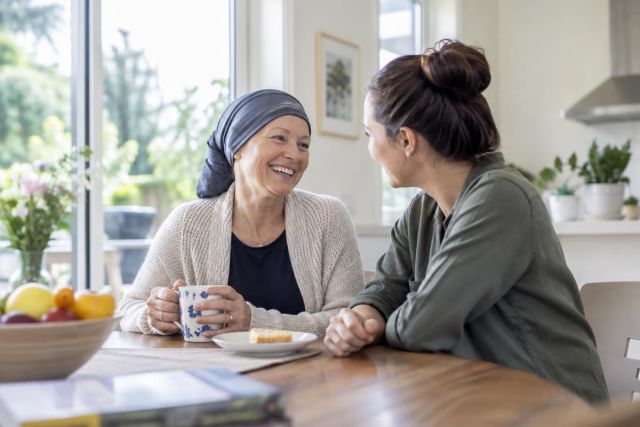
A dendritic cell vaccine decision is best discussed with clear information, room for different feelings, and the patient’s goals at the center. Family members can help by listening, checking claims, and preparing questions, but they do not have to agree before the patient makes an informed choice with qualified clinicians. No family discussion can establish whether a vaccine is suitable or guarantee a benefit.
The term refers to approaches that use dendritic cells, immune cells that help direct immune responses. In general, a treatment process may involve collecting cells, processing them in a laboratory, administering a vaccine, and arranging follow-up. The exact protocol, evidence, availability, and relationship to standard cancer care can differ. A treatment proposed abroad may also raise practical questions about travel, language, records, follow-up, and cost.
When hopes or concerns diverge, try to separate what is known about the proposed option from what each person hopes it might do. You can agree to gather information without agreeing to proceed. Ask your oncology team how the option relates to your cancer type, current treatment, and overall care plan. If you want family involved, decide what support would help you feel heard rather than pressured. The choice can remain yours, even when relatives care deeply and see the risks differently.
Get expert support for your treatment
Let our coordination team prepare a personalized plan for you.
Contact information
Your information is only used to contact you and is never shared with third parties.
Your request has been received!
Your request has been received! Our coordination team will contact you as soon as possible.
What happens during a dendritic cell vaccine treatment process?
A dendritic cell vaccine treatment process generally involves collecting immune cells from the patient, processing them in a laboratory, and giving the prepared product as a vaccination. The clinic or study team should explain exactly what is collected, how it is processed, how the vaccine is administered, and what follow-up is planned. Do not assume that every program uses the same method or schedule.
The proposed plan needs to be considered alongside your diagnosis, current treatments, health status, and care goals. Ask whether the vaccine is intended to be used with, after, or instead of another treatment, and whether the recommendation is specific to your cancer type. Your treating oncologist can help assess whether the proposed timing could affect existing care.
A treatment schedule may involve more than one visit, and follow-up may include clinical assessments or tests. If treatment is offered abroad, clarify how many visits are expected, who will review results after you return, and how your records will reach your local team. Travel plans should not be finalized until your clinicians have considered your individual health and timing needs.
A shared factual starting point can make family conversations less personal and more useful. You might write down what the clinic has confirmed, what remains unclear, and which points your oncologist needs to address. For a plain-language comparison of approaches, see the discussion of dendritic cell therapy and dendritic cell-based cancer vaccines.
Why family expectations about a cancer vaccine can differ
Family members may interpret the same information in different ways. One person may focus on a hopeful patient story, while another worries that an unproven option could distract from established care. Neither reaction alone answers whether the treatment is appropriate for you. Stories can be meaningful, but they cannot predict an individual outcome.
Practical concerns can also shape opinions. A relative may be worried about travel, treatment burden, time away from home, uncertain follow-up, or the financial impact. Someone else may feel that exploring every possible option is important. These views may come from care and fear, yet they may not match your own priorities or tolerance for uncertainty.
Try naming the specific concern instead of debating whether someone is “for” or “against” the vaccine. For example, you might ask, “Are you most worried about delaying current treatment, the travel, or the evidence?” This can turn a broad disagreement into questions that an oncology team can address. It also gives you a chance to explain what matters most to you.
If a family member is leaning heavily on an online story, review what the story can and cannot show. The person’s cancer type, other treatments, and circumstances may differ from yours. A discussion of why testimonials cannot predict an individual outcome can help relatives talk about personal accounts without dismissing the emotions behind them.
How to separate evidence from promises and possibilities
Ask what the dendritic cell vaccine is intended to do for your specific cancer and what evidence supports that use. Evidence from a laboratory, an early-stage study, or a different cancer does not automatically show that the same approach improves outcomes for you. Ask the clinician to explain the strength and limits of the evidence in language you can discuss with family.
Request clear information about known risks, uncertainties, alternatives, and the likely demands of treatment. Ask whether the option is being provided as part of a clinical trial or outside one. If it is a trial, ask for the study name, purpose, eligibility criteria, oversight, consent information, and what participation would involve. If it is not a trial, ask what regulatory status applies where the treatment is offered.
Be cautious with statements that promise a cure, a guaranteed response, or a specific outcome without explaining the evidence and its limits. You can ask for claims in writing and check them with your treating oncologist. Published research and patient stories are not interchangeable, and a general claim about a treatment category may not answer whether a particular product or protocol is supported for your diagnosis.
For each claim, write down its source and what it actually establishes. A headline may report a laboratory finding, while a clinic may discuss a treatment offered to patients. Those are different kinds of information. Reviewing research claims alongside your oncology team can help your family focus on what is known, what is still uncertain, and what would change the decision.
Keep the conversation calm and led by the patient
Before discussing the vaccine, decide what you need from the conversation. You may want relatives to listen, help gather information, attend an appointment, or simply understand why you are considering an option. You are not required to invite everyone into every part of the decision. Set the level of family involvement that feels supportive to you.
Let the patient speak first about goals and concerns. You might describe what you hope treatment could achieve, what burdens you are willing to accept, and what worries you most. Family members can then take turns sharing their concerns without interrupting. Try distinguishing verifiable facts from hopes, fears, and personal values rather than treating every statement as medical evidence.
If emotions rise, pause and return to the discussion later. A short break, a written question list, or a conversation with a trusted support person may help. You can also ask the oncology team whether a family meeting is available. A professional interpreter can help when family members or clinicians do not share a preferred language, but the patient should still have a direct way to express their wishes.
A useful outcome does not have to be full family agreement. It may be a shared list of unanswered questions and a plan to discuss them with clinicians. If you feel pressured, say what kind of support you want and ask the team to speak with you privately. Your preferences deserve to be heard even when relatives remain worried or disagree.
Questions to bring to the oncology team before deciding
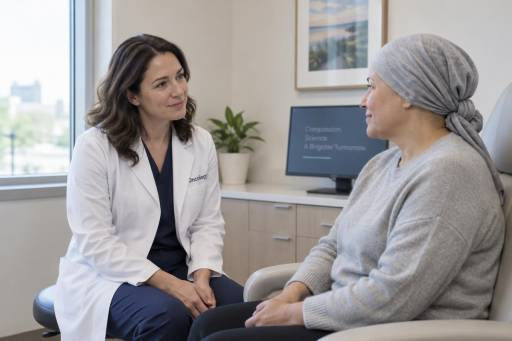
A written question list can turn family concerns into a practical clinical discussion. Ask your treating oncologist how the proposed vaccine fits with recommended care for your cancer, whether evidence applies to your diagnosis, and what alternatives are available. Ask what could happen if you decline, wait, or choose another option. You can bring a family member if you want support, while making clear that you want time to speak for yourself.
Ask about potential harms, uncertainties, treatment timing, and any effect on your current plan. Do not stop or delay prescribed cancer treatment to pursue a vaccine without first discussing it with your care team. If a separate clinician or clinic is offering the vaccine, ask who will coordinate with your oncologist and who will manage problems or follow-up after treatment.
For care abroad, clarify the expected visits, travel timing, language support, medical records, and arrangements for follow-up when you return home. Ask for a written treatment plan and details of what information will be shared with your local clinicians. Discuss the full financial implications directly with the providers involved, since costs and arrangements vary. Do not rely on a brief online description to answer questions about your individual care.
You can bring the same questions to both the treating oncology team and the clinician offering the vaccine, then compare the answers. Helpful questions include: What evidence supports this specific protocol for my cancer? What are the known risks and uncertainties? Who handles follow-up? What happens to my current treatment schedule? If an answer is unclear, ask for it in writing or request more time before making a decision.
Get expert support for your treatment
Let our coordination team prepare a personalized plan for you.
Contact information
Your information is only used to contact you and is never shared with third parties.
Your request has been received!
Your request has been received! Our coordination team will contact you as soon as possible.
Frequently Asked Questions
Q: How can I talk with family who strongly disagree?
A: Ask each person to name their main concern, such as evidence, treatment timing, travel, or cost. Explain your own goals before discussing possible options. Write down questions you cannot resolve together and take them to your oncology team. You can pause the conversation if it becomes upsetting.
Q: Does my family need to agree before I decide?
A: Family consensus is not a medical requirement for an adult patient who can make their own decisions. You may choose how much relatives participate and what support you want. Your oncology team can help you understand the medical considerations. If you feel pressured, ask to speak privately with a clinician.
Q: What should we ask about vaccine evidence and risks?
A: Ask what evidence supports the specific product or protocol for your cancer type, and what remains uncertain. Discuss potential harms, alternatives, and how the option fits with your current care. Ask whether it is offered in a clinical trial and what participation involves. Request written information if you need time to review it.
Q: Could considering a vaccine affect current cancer treatment?
A: It could affect treatment timing or coordination, depending on your individual plan. Do not stop or delay current treatment without first discussing it with your treating oncology team. Ask who will coordinate care if a different clinic is involved. Clarify the plan before arranging travel or treatment dates.
Q: How can I check claims from a clinic abroad?
A: Ask for the treatment protocol, evidence for your cancer type, regulatory information, known risks, and follow-up plan in writing. Discuss those materials with your treating oncologist, who can help assess how they relate to your care. Check whether claims distinguish clinical research from patient testimonials. Confirm how records and urgent concerns will be handled after you return home.
The information provided is for educational purposes only and does not constitute medical advice. Always consult with a healthcare professional for medical guidance specific to your situation.