How Your Identity Is Tracked Through Dendritic Cell Vaccine Collection and Delivery
Dendritic cell vaccine identity tracking links collection, lab, transport, and administration records. See what to ask about patient identity checks.
Learn how dendritic cell-based cancer vaccines are prepared and administered, from immune cell collection and laboratory processing to vaccination, treatment schedules, and follow-up care.

Dendritic cell vaccine identity tracking links collection, lab, transport, and administration records. See what to ask about patient identity checks.

Discover how dendritic cell-based cancer vaccines work with existing treatments. Learn key questions to ask your oncologist for informed decisions on your cancer care.
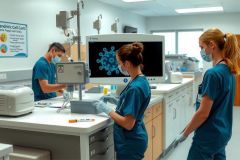
Discover how dendritic cells are collected for cancer vaccines, enhancing immunotherapy outcomes. Learn essential preparation tips and safety measures today.
Get a free consultation and talk through symptoms, treatment options, and possible care paths with our coordination team.
Get Free Consultation
Discover what to expect from dendritic cell cancer vaccine pain. Learn how to manage discomfort and improve your treatment experience effectively.

Discover how dendritic cell-based cancer vaccines enhance immunotherapy effectiveness. Explore benefits, challenges, and gain insights to empower your treatment decisions.

Discover essential dietary restrictions during dendritic cell cancer therapy to boost immune support and optimize recovery. Learn what foods to avoid and how to plan meals effectively.

Discover how many doses of dendritic cell vaccines are needed for effective cancer treatment. Understand the dosing schedule and factors influencing your plan.

Discover what to expect after a dendritic cell cancer vaccine. Learn about recovery timelines, common side effects, and essential tips for a smoother healing process.

Discover the key differences between autologous and allogeneic dendritic cell cancer vaccines. Empower your treatment choices with vital insights today.

Explore the innovative process of developing dendritic cell-based cancer vaccines, from cell collection to safety testing. Understand how this therapy can enhance your treatment options.
Dendritic Cell-Based Cancer Vaccine Treatment Process
Dendritic cell-based cancer vaccine treatment is a personalized immunotherapy approach designed to help the immune system recognize cancer cells. The process typically involves collecting immune cells, preparing them in a specialized laboratory, and administering the resulting vaccine to the patient. The exact steps vary according to the vaccine, cancer type, and clinical protocol.
Initial Assessment and Treatment Planning
Before treatment begins, an oncology team evaluates the patient’s diagnosis, cancer stage, previous treatments, overall health, and eligibility for a specific vaccine or clinical trial. Additional blood tests, imaging, and tumor tissue analysis may be required.
The medical team also reviews whether the vaccine will be used alone or in combination with other treatments. For investigational therapies, patients should receive detailed information about the study protocol, potential risks, expected schedule, and available standard treatment options.
Immune Cell Collection
Many dendritic cell vaccines are manufactured using cells collected from the patient’s own blood. A procedure called leukapheresis may be used to separate white blood cells from other blood components. The collected cells are then transported to a specialized laboratory for processing.
Some vaccine approaches use different cell sources or manufacturing methods. The collection procedure and preparation requirements therefore depend on the specific treatment being developed or administered.
Laboratory Preparation of the Vaccine
In the laboratory, immune cells are processed to generate or enrich dendritic cells. These cells may be exposed to tumor-associated antigens, tumor-derived materials, or other substances intended to help them present cancer-related targets to T cells.
The manufacturing process can include cell culture, maturation, quality control, and testing before the vaccine is released for clinical use. Autologous vaccines use the patient’s own cells, while allogeneic approaches may involve cells obtained from a donor or another source. Preparation times vary and may range from several days to multiple weeks depending on the protocol.
Vaccine Administration and Treatment Schedule
Once the vaccine is ready, it is administered according to the approved treatment instructions or clinical trial protocol. Depending on the product, administration may involve an injection or an infusion. The number of doses, intervals between treatments, and overall duration are not standardized across all dendritic cell vaccines.
Patients may receive several vaccinations over a defined period, sometimes followed by booster doses. Dendritic cell vaccines are also being investigated alongside chemotherapy, radiotherapy, surgery, and other immunotherapies. These combinations should only be used under the guidance of the treating oncology team.
Recovery and Follow-Up
After administration, patients are monitored for immediate reactions and possible side effects. Mild symptoms such as fatigue, fever, chills, or injection-site discomfort may occur, although the safety profile depends on the specific vaccine and any accompanying treatments.
Follow-up care may include physical examinations, blood tests, imaging, and assessments of the immune response. The oncology team evaluates treatment tolerance, cancer progression, and whether additional doses or changes to the treatment plan are appropriate.
Most dendritic cell-based cancer vaccines remain investigational for many cancer types. Patients should confirm the regulatory status of the specific therapy and discuss its potential benefits, limitations, and alternatives with a qualified oncology specialist.