Quick Answer
Exercise can significantly help lymphoma survivors regain strength by rebuilding muscle, improving energy levels, and enhancing overall quality of life through tailored physical activities.
- Regular exercise improves both physical and emotional health for lymphoma survivors.
- Structured exercise routines help increase stamina and reduce fatigue after treatment.
- Strength training exercises like bodyweight squats, resistance band workouts, and light dumbbell exercises support muscle recovery.
- Starting with low-impact activities and gradually increasing intensity is important for safety.
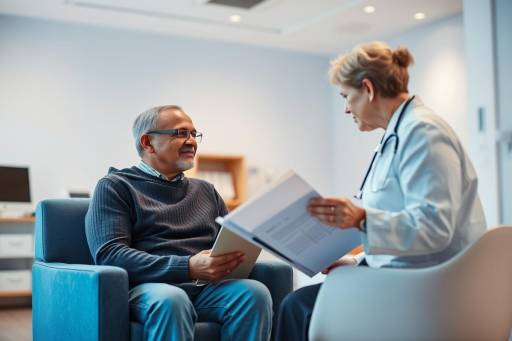
- Consulting healthcare professionals ensures personalized and safe exercise plans.
- Maintaining motivation through goal setting, support systems, and progress tracking aids long-term fitness success.
- Listening to the body and taking safety precautions like hydration and rest are crucial during recovery exercise.
Can exercise help Lymphoma survivors regain strength?
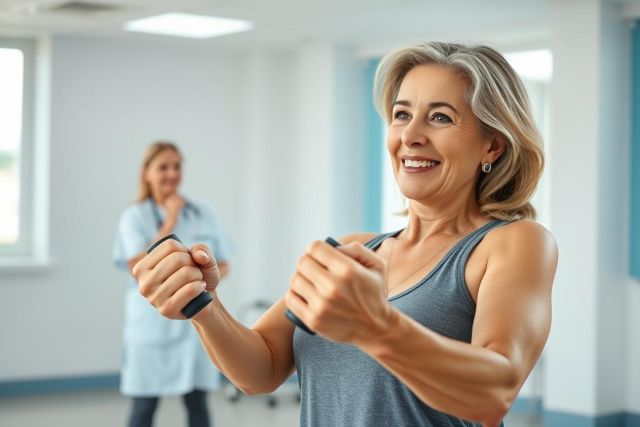
Can exercise help lymphoma survivors regain strength? This question holds immense importance for many individuals recovering from cancer. Engaging in regular exercise can facilitate physical recovery and emotional well-being for lymphoma survivors. By participating in tailored physical activities, patients can rebuild muscle, enhance energy levels, and improve their overall quality of life after treatment.
Regaining strength after lymphoma requires a thoughtful approach to physical activity. Evidence shows that exercise programs for cancer survivors can lead to better health outcomes, including increased stamina and reduced fatigue. Survivors often find that a structured exercise routine not only aids in physical recovery but also promotes mental resilience. The journey back to strength can be both empowering and fulfilling for those who take part in it.
Engaging in physical activity and lymphoma recovery can be a transformative experience. Many survivors report feeling more connected to their bodies and empowered to face future challenges. Understanding the benefits of exercise for cancer recovery encourages survivors to take charge of their health. Taking the first step towards fitness can lead to a healthier life, allowing lymphoma survivors to thrive once again.
Get Support From a Lymphoma Specialist
Answer a few short questions and HealthNode will help you connect with the right haematology, lymphoma, or cancer specialist.
Share Test or Symptom Details
This helps us understand whether you may need diagnosis, treatment planning, or follow-up care.
Final Details
Share anything important so the specialist can better understand the case.
Contact information
Your information is only used to contact you and is never shared with third parties.
Your request has been received!
Thank you. If you have blood test results, ultrasound, CT, PET-CT, biopsy, pathology, immunohistochemistry, flow cytometry, or previous treatment records, please keep them ready. A HealthNode consultant will guide you through the next step.
5 Essential Benefits of Exercise for Lymphoma Recovery
Engaging in regular exercise offers significant benefits for lymphoma recovery. Exercise for lymphoma survivors can lead to improved physical and emotional health. Patients often experience increased strength and stamina, which are vital for their overall well-being. The transformative effects of physical activity contribute to the benefits of exercise for cancer recovery, helping individuals reclaim their lives after treatment.
One major advantage of exercise is improved energy after lymphoma treatment. Many survivors report feeling fatigued following their cancer journey. Structured physical activity, such as walking or resistance training, can combat this fatigue effectively. Studies show that even light exercise enhances energy levels, enabling survivors to engage in daily activities more actively.
Emotional health after cancer is another crucial benefit of exercise. Physical activity releases endorphins, which help elevate mood and reduce feelings of anxiety. Survivors often find that group exercise classes provide social support, further boosting their emotional well-being. This sense of community can make a substantial difference in how individuals cope with their recovery journey.
Starting slowly with activities they enjoy can make the process enjoyable. Setting achievable goals helps maintain motivation and fosters a sense of accomplishment. Survivors should consider working with medical professionals to create a personalized exercise plan that meets their needs. Taking these steps can lead to a healthier, happier lifestyle.
How to Safely Start Physical Activity After Lymphoma Treatment
How to safely start physical activity after lymphoma treatment is crucial for recovery. Engaging in exercise helps rebuild strength and improves overall health. Survivors should approach this journey with care and consideration for their bodies. Establishing a safe routine enhances the likelihood of long-term success in regaining strength.
Starting exercise after lymphoma requires careful planning and consultation. Engaging with healthcare professionals ensures that survivors receive tailored advice. Many doctors recommend beginning with low-impact activities like walking or stretching. These safe physical activities for cancer survivors allow individuals to ease into their fitness journey without overwhelming themselves.
Listening to the body during exercise is vital for safety. Survivors must pay attention to fatigue levels and any physical discomfort. If fatigue sets in, it may be beneficial to rest or reduce intensity. Incorporating short intervals of activity, such as five to ten minutes, helps maintain motivation. These exercise tips for lymphoma patients ensure a gradual return to physical fitness.
Creating a structured exercise plan can greatly benefit lymphoma survivors. Setting realistic goals and tracking progress offers motivation and direction. Consulting with a physical therapist can provide personalized guidance tailored to individual needs. Survivors should remember that every small step counts. Embrace the journey of regaining strength after cancer treatment and prioritize health and well-being.
Top 7 Strength Training Exercises for Lymphoma Survivors
Strength training exercises for lymphoma survivors play a vital role in recovery. These exercises help rebuild muscle mass and enhance overall strength. Incorporating strength training into a regular fitness routine can significantly improve physical health and well-being. Survivors can benefit from specific exercises designed to support muscle recovery after lymphoma.
Bodyweight squats are an excellent starting point. This exercise enhances lower body strength and stability. Survivors can perform squats anywhere without equipment. This simple movement engages the legs and core, making it ideal for beginners.
Resistance band exercises provide another effective option. These bands offer adjustable resistance levels, making them suitable for all fitness levels. Resistance bands can be used for various exercises, such as bicep curls and seated rows. These strength exercises for cancer recovery help develop upper body strength while minimizing strain.
Dumbbell exercises are also beneficial for lymphoma survivors. Light weights can be used for exercises like shoulder presses and tricep extensions. Strength training using dumbbells promotes muscle endurance and strength without excessive pressure on the joints. Survivors should focus on proper form to avoid injury during these workouts.
Incorporating these strength training exercises into a fitness routine is essential for recovery. Start with low weights and gradually increase as strength improves. It is crucial to listen to the body and adjust accordingly. Consulting a fitness professional can provide additional guidance. Begin your journey toward strength and recovery today by trying these exercises.
Vital Tips to Stay Motivated in Your Cancer Recovery Fitness Journey
Vital tips to stay motivated in your cancer recovery fitness journey can make a significant difference. Maintaining exercise motivation for cancer survivors is essential for long-term success. Setting realistic and achievable fitness goals provides direction and purpose. Progress, no matter how small, should be celebrated to foster continued motivation.
Establishing a support system greatly enhances motivation. Friends, family, and fellow survivors can encourage each other during workouts. Joining a local exercise group or online community can offer additional cancer recovery support. Sharing experiences and progress helps individuals stay accountable and committed to their fitness journey.
Tracking progress is another effective strategy for maintaining motivation. Keeping a journal or using fitness apps allows survivors to see improvements over time. Recording workouts and achievements can boost morale and reinforce positive habits. Fitness goals after lymphoma should be specific and measurable, making it easier to recognize accomplishments.
Designate specific days and times for exercise to establish consistency. Engaging in diverse activities can keep workouts fresh and enjoyable. Consider incorporating activities like yoga, swimming, or walking to enhance overall well-being. Begin your journey toward a healthier lifestyle by implementing these tips today. Embrace the path to recovery and enjoy the benefits of an active life.
Crucial Safety Precautions for Exercise After Lymphoma
Crucial safety precautions for exercise after lymphoma are essential for a successful recovery. Engaging in safe exercise for lymphoma survivors helps prevent injuries and promotes well-being. Taking the time to establish guidelines can make workouts more effective and enjoyable. Awareness of one's limitations is key to maintaining safety during physical activities.
Get Support From a Lymphoma Specialist
Answer a few short questions and HealthNode will help you connect with the right haematology, lymphoma, or cancer specialist.
Share Test or Symptom Details
This helps us understand whether you may need diagnosis, treatment planning, or follow-up care.
Final Details
Share anything important so the specialist can better understand the case.
Contact information
Your information is only used to contact you and is never shared with third parties.
Your request has been received!
Thank you. If you have blood test results, ultrasound, CT, PET-CT, biopsy, pathology, immunohistochemistry, flow cytometry, or previous treatment records, please keep them ready. A HealthNode consultant will guide you through the next step.
Listening to your body is a fundamental safety measure. Fatigue, pain, or dizziness should never be ignored. If any of these symptoms occur, it is important to stop exercising immediately. Staying hydrated is also vital during workouts, particularly in warmer weather. Implementing these exercise precautions after cancer treatment can help ensure a positive experience.
Starting slowly and gradually increasing intensity is another important strategy. Beginners should focus on low-impact activities such as walking or gentle yoga. Incorporating strength training with light weights can also be beneficial. These methods support injury prevention for lymphoma survivors while enhancing physical fitness over time.
Establishing a structured routine can enhance exercise safety during cancer recovery. Setting specific days and times for workouts creates consistency. Engaging with a fitness professional or physical therapist can provide personalized guidance tailored to individual needs. Prioritize safety and well-being as you embark on your fitness journey. Begin implementing these precautions today to foster a healthier, more active lifestyle.
Frequently Asked Questions
Q: What are the benefits of exercise for lymphoma survivors?
A: Exercise for lymphoma survivors offers numerous health benefits. Regular physical activity can improve energy levels and mood. Engaging in consistent workouts enhances overall fitness during recovery. Survivors often find that exercise supports their emotional well-being.
Q: How to regain strength after cancer treatment?
A: Regaining strength after cancer treatment requires a structured approach. Start with gentle exercises like walking or stretching. Gradually increase the intensity and duration of workouts. Consider working with a fitness professional for tailored advice.
Q: When is the right time to start exercising after lymphoma?
A: Starting exercise after lymphoma should begin when cleared by your doctor. Many survivors can begin light activity soon after treatment. Listen to your body and avoid pushing too hard. Regular physical activity and lymphoma recovery go hand in hand.
Q: Can strength training help lymphoma patients recover?
A: Strength training for lymphoma patients is beneficial for muscle recovery. Engaging in resistance exercises helps rebuild strength and endurance. It is important to start with light weights and focus on form. Gradually increase weights as fitness improves.
Q: What types of exercise programs for cancer survivors are available?
A: Many exercise programs for cancer survivors focus on gentle movements. Options include yoga, Pilates, and low-impact aerobics. Support groups often offer structured sessions to enhance motivation. Participating in these programs fosters a sense of community.
Q: Why is physical activity important during lymphoma recovery?
A: Physical activity and lymphoma recovery are essential for overall health. Exercise helps reduce fatigue and improves physical function. Staying active can enhance emotional resilience and quality of life. Prioritizing exercise during recovery supports long-term well-being.
The information provided is for educational purposes only and does not constitute medical advice. Always consult with a healthcare professional for medical guidance specific to your situation.