Quick Answer
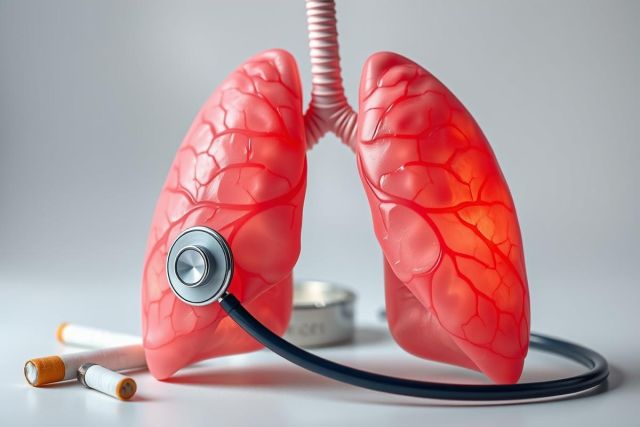
Quitting smoking significantly reduces the risk of developing Lymphoma by improving immune function and decreasing exposure to harmful carcinogens. The longer a person remains smoke-free, the lower their Lymphoma risk becomes.
- Smoking increases Lymphoma risk by weakening the immune system and causing chronic inflammation that promotes cancer development.
- Tobacco contains carcinogens that damage DNA and raise the likelihood of Lymphoma.
- Quitting smoking leads to immediate and long-term health benefits, including improved lung function and enhanced immune response.
- Support systems and coping strategies are important for successfully quitting smoking and maintaining a smoke-free lifestyle.
- Adopting healthy habits such as balanced nutrition, regular exercise, and limiting alcohol can further reduce Lymphoma risk.
- Emotional benefits of quitting smoking include improved mood, reduced stress, and increased self-esteem.
- It is never too late to quit smoking, as cessation at any age can lower cancer risk and improve overall health.
Does quitting smoking reduce Lymphoma risk?
Quitting smoking is one of the most effective ways to reduce Lymphoma risk. Tobacco use has long been linked to various cancers, including Lymphoma. As research continues to unveil the dangers of smoking, understanding its impact on health becomes crucial for patients. The connection between smoking and Lymphoma risk reduction is essential for those seeking to improve their health.
Evidence shows that smoking cessation can lead to significant health improvements, including lowering Lymphoma risk. Many individuals are unaware of how quitting smoking can positively affect their immune system. Those who stop smoking often experience a wide range of benefits that enhance overall well-being. Recognizing the importance of these advantages can motivate smokers to take action toward a healthier lifestyle.
Exploring the benefits of quitting smoking for health reveals profound insights into cancer prevention. Taking steps to stop smoking not only reduces the risk of Lymphoma but also improves quality of life. The journey to quitting can be challenging, but the rewards are undeniably worth it.
Get Support From a Lymphoma Specialist
Answer a few short questions and HealthNode will help you connect with the right haematology, lymphoma, or cancer specialist.
Share Test or Symptom Details
This helps us understand whether you may need diagnosis, treatment planning, or follow-up care.
Final Details
Share anything important so the specialist can better understand the case.
Contact information
Your information is only used to contact you and is never shared with third parties.
Your request has been received!
Thank you. If you have blood test results, ultrasound, CT, PET-CT, biopsy, pathology, immunohistochemistry, flow cytometry, or previous treatment records, please keep them ready. A HealthNode consultant will guide you through the next step.
5 Crucial Ways Smoking Increases Lymphoma Risk
Smoking increases Lymphoma risk through various harmful mechanisms. The toxic substances in tobacco damage the body in multiple ways. One major concern is how smoking affects the immune system. A weakened immune system makes it harder for the body to fight off cancers, including Lymphoma.
Long-term tobacco effects lead to chronic inflammation in the body. This inflammation can disrupt normal cell function and promote cancer development. Chronic inflammation raises the likelihood of mutations in DNA, which may trigger Lymphoma. Many studies indicate a direct link between smoking and this type of cancer.
Another significant factor is the exposure to carcinogens found in cigarettes. These harmful chemicals enter the bloodstream and affect various organs. As a result, smokers are at a heightened risk for developing Lymphoma. Quitting smoking can significantly reduce this risk and improve overall health.
Taking action to quit smoking is vital for reducing Lymphoma risk. Implementing lifestyle changes can strengthen the immune system and lower cancer risk. Seeking support from healthcare professionals can make this journey easier. Prioritizing your health today can lead to a healthier tomorrow.
How Quitting Smoking Can Lower Your Lymphoma Risk
Quitting smoking can significantly lower your Lymphoma risk. The process of smoking cessation brings numerous quitting smoking benefits. As individuals stop smoking, their bodies begin to heal, reducing the chance of developing Lymphoma.
Health improvements after quitting are noticeable both quickly and over time. Immediately after quitting, blood circulation improves and lung function increases. These changes enhance the immune system, making it more effective at combating diseases. A stronger immune response plays a crucial role in reducing Lymphoma risk.
Long-term smoking cessation and Lymphoma risk show promising results in studies. Research indicates that the longer someone stays smoke-free, the lower their chances of developing Lymphoma become. Even those who quit later in life experience significant health benefits. This reinforces the idea that it is never too late to quit smoking.
Taking steps to reduce cancer risk by quitting smoking is essential. Support from healthcare providers can enhance the likelihood of successful cessation. Engaging in healthier lifestyle choices will further improve overall health. Consider reaching out for help today to start your journey toward a smoke-free life.
Vital Steps to Successfully Quit Smoking and Stay Smoke-Free
Vital steps to successfully quit smoking and stay smoke-free can make a difference. Committing to this journey requires a clear plan and support. Knowing how to quit smoking effectively can lead to lasting success. Establishing a strong motivation is essential for maintaining this commitment.
Identifying triggers is a critical part of smoking cessation support. Recognizing situations that tempt you to smoke will help you avoid them. For example, if stress triggers cravings, consider practicing meditation or deep breathing exercises. These coping strategies can effectively replace the urge to smoke.
Creating a support system is another important step. Surrounding yourself with supportive friends and family can boost your motivation. Joining a smoking cessation program offers access to resources and encouragement. Many programs provide valuable smoking cessation tips and can help you stay accountable.
Taking proactive steps to remain smoke-free is crucial. Incorporating healthy habits like regular exercise and balanced nutrition will strengthen your resolve. Tracking your progress can also motivate you to continue. Consider setting small milestones to reward yourself for achievements along the way. Engage with support networks to share your journey and celebrate your successes.
Top 4 Additional Ways to Reduce Your Lymphoma Risk
Top 4 additional ways to reduce your Lymphoma risk include lifestyle changes. Making informed choices can significantly enhance your overall health. Learning how to lower Lymphoma risk involves adopting habits that promote well-being. These changes can be powerful in preventing cancer and improving quality of life.
Maintaining a balanced diet is essential for Lymphoma prevention. Consuming plenty of fruits, vegetables, and whole grains strengthens your immune system. Foods rich in antioxidants help fight inflammation, reducing cancer risk. Incorporating fish, nuts, and seeds can also provide healthy fats that support overall health.
Regular physical activity plays a crucial role in reducing cancer risk lifestyle. Engaging in at least 150 minutes of moderate exercise each week helps maintain a healthy weight. Staying active improves your immune function and lowers inflammation. Activities like walking, swimming, or cycling can be enjoyable ways to stay fit.
Limiting alcohol consumption is another vital step. Research shows that excessive alcohol intake is linked to an increased risk of cancers, including Lymphoma. Keeping alcohol consumption to moderate levels can promote better health outcomes. Adopting healthy habits for Lymphoma prevention is essential for long-term wellness and vitality.
Get Support From a Lymphoma Specialist
Answer a few short questions and HealthNode will help you connect with the right haematology, lymphoma, or cancer specialist.
Share Test or Symptom Details
This helps us understand whether you may need diagnosis, treatment planning, or follow-up care.
Final Details
Share anything important so the specialist can better understand the case.
Contact information
Your information is only used to contact you and is never shared with third parties.
Your request has been received!
Thank you. If you have blood test results, ultrasound, CT, PET-CT, biopsy, pathology, immunohistochemistry, flow cytometry, or previous treatment records, please keep them ready. A HealthNode consultant will guide you through the next step.
The Emotional and Physical Benefits of Smoking Cessation
The emotional and physical benefits of smoking cessation are profound. Quitting smoking leads to immediate improvements in health and well-being. Individuals often experience enhanced mood and reduced stress levels. These positive changes contribute significantly to the overall quality of life after quitting.
Physical health improves quickly after stopping smoking. Blood circulation enhances within days, making activities easier and more enjoyable. Lung function shows marked improvement over time, allowing for deeper breaths and increased stamina. These benefits of quitting smoking for health extend far beyond mere physical changes.
The emotional benefits of quitting smoking are equally important. Many people report feeling a sense of achievement and boosted self-esteem after quitting. This newfound confidence can lead to healthier relationships and improved social interactions. Engaging in supportive communities can further enhance smoking cessation and well-being.
Taking the first step toward quitting smoking can yield tremendous rewards. Prioritize your health by focusing on both emotional and physical improvements. Seek resources and support to help you along the way. Embrace the journey to a smoke-free life for enhanced well-being and a brighter future.
Frequently Asked Questions
Q: What are the benefits of quitting smoking for health?
A: Quitting smoking leads to significant health improvements. It reduces the risk of various cancers, including Lymphoma. Improved lung function and better circulation are immediate benefits. Many individuals also experience enhanced mood and energy levels.
Q: How does smoking affect Lymphoma risk?
A: Smoking increases Lymphoma risk by weakening the immune system. It introduces harmful chemicals that can damage DNA. This damage can lead to cancer development over time. Understanding this connection is vital for cancer prevention.
Q: How to lower Lymphoma risk after quitting smoking?
A: Lowering Lymphoma risk involves adopting a healthy lifestyle. Focus on balanced nutrition and regular exercise. Staying active helps strengthen the immune system. Engaging in support groups also enhances your commitment to staying smoke-free.
Q: When is the best time to quit smoking?
A: The best time to quit smoking is now. There are immediate benefits to your health after quitting. Waiting can increase your risk for serious diseases. Taking action sooner improves your chances of long-term success.
Q: Can smoking cessation reduce cancer risk by quitting smoking?
A: Yes, smoking cessation significantly reduces cancer risk. Quitting smoking lowers the chances of developing Lymphoma and other cancers. The body starts healing soon after you stop smoking. Long-term abstinence leads to further health improvements.
The information provided is for educational purposes only and does not constitute medical advice. Always consult with a healthcare professional for medical guidance specific to your situation.