Table of Contents
What Are Dental Crowns and Bridges?
Dental crowns and bridges are dental restorations that repair and replace damaged or missing teeth, crucial for restoring oral health and function. Crowns cover damaged teeth to restore their shape, strength, and appearance, while bridges fill gaps left by missing teeth by anchoring to adjacent teeth.
You might consider these restorations if you have compromised teeth that affect your ability to chew, speak clearly, or smile confidently. Understanding how crowns and bridges work will empower you to make informed decisions about your dental care, especially if you are exploring options abroad where treatment approaches and costs may vary.
These treatments not only restore oral function but also prevent further dental complications by supporting neighboring teeth and preserving the integrity of the jawbone. Without timely restoration, missing or damaged teeth can lead to shifting of adjacent teeth, bite problems, and bone resorption.
Restore Damaged or Missing Teeth With Crowns and Bridges
Answer a few short questions and HealthNode will help you connect with the right restorative or cosmetic dentist.
Crown, Bridge, or Replacement Needs
This helps us understand whether a crown, bridge, implant, or another treatment may be more suitable.
Dental Health Check
A few details help the dentist understand whether any treatment is needed before placing a crown or bridge.
Contact information
Your information is only used to contact you and is never shared with third parties.
Your request has been received!
Thank you. If you have dental X-rays, panoramic X-ray, CBCT scan, root canal records, previous crown or bridge records, treatment plans, or dental photos, please keep them ready. A HealthNode consultant will guide you through the next step.
Many international patients choose dental tourism for crowns and bridges due to the combination of quality care and cost savings. This overview will explain the basics, types, benefits, and practical advice for planning your treatment journey, helping you navigate the process with confidence and clarity.
Dental Crowns and Bridges: Essential Restorative Solutions
Dental crowns are custom-made caps that fit over damaged or weakened teeth to restore their original size, shape, strength, and appearance. By covering the entire visible portion of a tooth, crowns protect the underlying tooth structure from further damage, decay, or fracture. They are commonly used in cases where a tooth has a large filling, is cracked, or has undergone root canal therapy, providing both functional support and aesthetic enhancement.
Dental bridges are prosthetic devices designed to replace one or more missing teeth by anchoring artificial teeth (pontics) to adjacent healthy teeth or dental implants. The bridge literally "bridges" the gap created by missing teeth, restoring chewing ability, preventing the shifting of remaining teeth, and maintaining proper bite alignment.
Both crowns and bridges are integral components of restorative dentistry, playing a key role in preserving oral health by maintaining the natural alignment and function of your teeth. They also contribute to improved speech clarity and a confident smile, which can be adversely affected by missing or damaged teeth.
Understanding these basic concepts helps patients appreciate the importance of these restorations in preventing further dental complications, such as bone loss or gum disease, and in supporting overall oral function and aesthetics.
Types of Dental Crowns and Bridges: Which Is Right for You?
Choosing the right type of dental crown or bridge depends on several factors, including the location of the restoration in your mouth, your aesthetic preferences, durability requirements, and budget considerations. Understanding the options available can help you and your dentist select the most appropriate material for your specific needs.
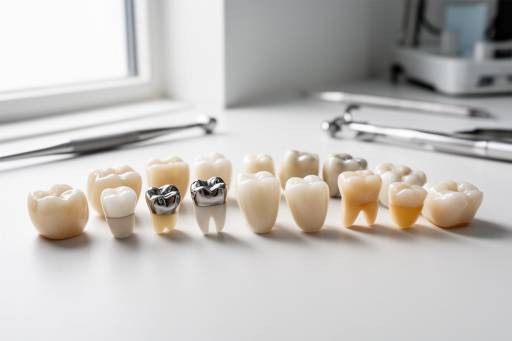
Porcelain crowns and bridges are popular choices due to their natural tooth-like appearance and good durability. They are especially well-suited for front teeth where aesthetics are paramount, as they can be color-matched to blend seamlessly with your natural smile.
Metal crowns, often made from gold or other metal alloys, offer superior strength and longevity. They are typically recommended for molars where chewing forces are greatest, though their metallic color may be less visually appealing, making them less ideal for visible teeth.
Ceramic crowns and bridges provide excellent aesthetics and biocompatibility, meaning they are less likely to cause allergic reactions or gum irritation. Advances in ceramic materials have improved their strength, making them a versatile choice for both front and back teeth.
Porcelain-fused-to-metal (PFM) crowns combine the strength of metal with the natural appearance of porcelain. This hybrid option offers durability and a more natural look; however, over time, a dark line may appear at the gumline where the metal is exposed.
Your dentist will recommend the best material based on factors such as the condition and location of the tooth, your bite forces, aesthetic goals, and budget. It is important to discuss these options thoroughly to understand the trade-offs and make an informed decision that aligns with your expectations and lifestyle.
Benefits of Dental Crowns and Bridges in Tooth Replacement
Dental crowns and bridges provide a range of benefits that extend well beyond merely replacing or restoring teeth. One of the primary advantages is the restoration of chewing function, enabling you to eat a diverse array of foods comfortably and effectively. This functional improvement plays a vital role in maintaining proper nutrition and digestion, which are essential for overall health.
These restorations also serve a protective function by shielding damaged or weakened teeth from further decay, fracture, or wear. By reinforcing the tooth structure, crowns help extend the lifespan of compromised teeth, potentially avoiding the need for extraction.
Bridges, by filling the gaps left by missing teeth, prevent adjacent teeth from shifting out of their natural positions. This preservation of dental alignment helps maintain a balanced bite and reduces the risk of jaw pain or temporomandibular joint (TMJ) disorders that can arise from uneven forces.
Aesthetic improvements are another significant benefit. Crowns and bridges can be custom-made to match the color, shape, and size of your natural teeth, enhancing your smile’s appearance and boosting your confidence in social and professional settings.
In the context of dental tourism, these treatments often come at a more affordable cost compared to domestic options, without compromising quality. This makes them accessible to international patients who seek reliable restorative dentistry solutions, combining functional and cosmetic benefits with cost-effectiveness.
The Dental Tourism Connection: Why Consider Getting Crowns and Bridges Abroad?
Many patients opt to receive dental crowns and bridges abroad because of the potential for significant cost savings while still accessing high-quality care. Countries popular for dental tourism often have accredited clinics staffed by experienced specialists who utilize modern technology, advanced materials, and up-to-date procedural techniques.
Affordable dental care options make restorative treatments like crowns and bridges accessible to patients who might otherwise delay or avoid treatment due to financial constraints. Additionally, some dental tourism destinations offer shorter wait times compared to domestic providers, allowing patients to receive timely care without long delays.
Language support services and personalized patient care are commonly available in these dental tourism hubs, which help international patients navigate their treatment journey with greater confidence and ease. These services may include translators, patient coordinators, and tailored communication to address cultural and logistical concerns.
Traveling abroad for dental care can be a practical and effective solution when paired with thorough planning and careful provider research. It is important to choose a reputable clinic with strong patient reviews, verified credentials, and transparent treatment protocols to ensure a safe and positive treatment experience.
Patients should also consider travel logistics, recovery time, and follow-up care arrangements when planning their dental tourism trip, as these factors contribute to overall treatment success and satisfaction.
Preparing for Your Dental Crown or Bridge Procedure: What to Expect
Before traveling abroad for dental crown or bridge treatment, a thorough consultation with your dentist is essential to ensure the procedure is tailored to your specific needs. This initial assessment typically includes diagnostic tools such as X-rays, digital scans, and impressions to accurately plan the restoration and anticipate any challenges.
During this consultation, you should openly discuss your complete medical and dental history, including any chronic conditions, allergies, or medications you are taking, as these factors can influence treatment choices and healing. Clear communication about the expected treatment timeline, potential risks, and the number of visits required will help you set realistic expectations and plan your trip accordingly.
Understanding the procedural steps ahead of time reduces anxiety and prepares you for what to expect. On arrival, the dentist will prepare your teeth by removing any decay or old fillings and shaping the teeth to fit the crowns or bridge securely. Temporary restorations are often placed to protect the prepared teeth while your permanent crowns or bridges are fabricated in a dental lab.
After the permanent restorations are placed, you will receive detailed guidance on maintaining optimal oral hygiene to maximize the lifespan of your new dental work. This includes advice on brushing, flossing, and avoiding certain foods or habits that could damage your crowns or bridges.
Scheduling follow-up visits or establishing communication channels for remote consultations is important for monitoring your recovery and addressing any issues promptly. Being proactive about aftercare ensures the success of your treatment and helps prevent complications such as sensitivity, discomfort, or restoration failure.
Choosing the Right Dental Provider for Crowns and Bridges Abroad
Selecting a qualified dental provider is crucial for successful crowns and bridges treatment abroad, as the quality of care directly impacts the longevity and effectiveness of your dental restorations. When researching clinics, prioritize those with internationally recognized accreditations, which demonstrate adherence to global standards of dental practice and patient safety. Additionally, seek out specialists who have extensive experience in restorative dentistry, as their expertise ensures precise treatment planning and execution.
Restore Damaged or Missing Teeth With Crowns and Bridges
Answer a few short questions and HealthNode will help you connect with the right restorative or cosmetic dentist.
Crown, Bridge, or Replacement Needs
This helps us understand whether a crown, bridge, implant, or another treatment may be more suitable.
Dental Health Check
A few details help the dentist understand whether any treatment is needed before placing a crown or bridge.
Contact information
Your information is only used to contact you and is never shared with third parties.
Your request has been received!
Thank you. If you have dental X-rays, panoramic X-ray, CBCT scan, root canal records, previous crown or bridge records, treatment plans, or dental photos, please keep them ready. A HealthNode consultant will guide you through the next step.
Patient reviews and testimonials are valuable resources for gauging the clinic’s reputation and the overall patient experience. These firsthand accounts can reveal insights about the provider’s communication style, procedural transparency, and post-treatment support. Transparent communication about costs, materials used, and detailed procedure explanations reflects professionalism and helps you make informed decisions.
It is also important to verify that the clinic uses modern dental equipment and adheres to strict hygiene and sterilization protocols to minimize the risk of infection or complications. Confirming that the dentist is board-certified or holds relevant credentials in their country adds an additional layer of trustworthiness.
Good aftercare support is essential for your long-term oral health following treatment abroad. This includes access to remote consultations for any concerns after you return home, as well as the possibility of local follow-ups if needed. Ensuring continuity of care helps address any complications early and supports the durability of your crowns and bridges.
Frequently Asked Questions
Q: What is a dental crown and how does it work?
A: A dental crown is a cap placed over a damaged or decayed tooth to restore its shape, size, strength, and appearance. It helps protect the tooth and improve function.
Q: How do dental bridges differ from crowns?
A: Dental bridges are used to replace missing teeth by anchoring artificial teeth to adjacent healthy teeth with crowns, effectively bridging the gap.
Q: Are dental crowns and bridges safe to get abroad?
A: Yes, when performed by qualified professionals in reputable clinics, dental crowns and bridges abroad are safe and effective. Research and choose accredited providers.
Q: How long do dental crowns and bridges last?
A: With proper care, dental crowns and bridges can last between 5 to 15 years, depending on materials used and patient oral hygiene.
Q: What should I consider when choosing a destination for dental tourism?
A: Consider the clinic’s reputation, dentist’s qualifications, treatment costs, travel convenience, and post-treatment support.
Q: Do I need special care after getting crowns or bridges?
A: Yes, maintaining good oral hygiene and regular dental check-ups are essential to prolong the lifespan of crowns and bridges.
The information provided is for educational purposes only and does not constitute medical advice. Always consult with a healthcare professional for medical guidance specific to your situation.