Table of Contents
How Can Dental Implants Support Chewing Function?
Dental implants play a crucial role in restoring chewing function for patients with missing teeth. By integrating directly with your jawbone, implants provide a durable and stable foundation that mimics natural tooth roots. This integration not only improves your ability to chew effectively but also supports overall oral health by preserving bone and preventing the shifting of adjacent teeth, which can lead to misalignment and further dental problems.
When you lose teeth, chewing efficiency often declines, which can affect nutrition and comfort. Difficulty in chewing certain foods may lead to dietary restrictions and impact overall health. Unlike removable dentures, dental implants function like real teeth, enabling you to bite and chew with confidence and comfort. This natural function helps maintain a balanced diet and improves quality of life.
For international patients considering dental implants abroad, understanding how implants work and the benefits they offer can help you make informed decisions about your oral health care. It is important to consider the entire treatment process, including evaluation, surgery, healing, and maintenance, as well as the qualifications of the dental professionals involved.
Find Out If Dental Implants Are Right for You
Answer a few short questions and HealthNode will help you connect with the right dental implant specialist.
Your Main Goal
This helps us understand which implant option may be most relevant for you.
Dental Health and Previous Tests
A few details help us understand whether you may need imaging, bone grafting, gum treatment, or implant planning.
Health and Healing Factors
These details help the specialist understand any factors that may affect implant healing.
Contact information
Your information is only used to contact you and is never shared with third parties.
Your request has been received!
Thank you. If you have dental X-rays, panoramic X-ray, CBCT scan, treatment plan, tooth extraction notes, gum disease records, or previous implant records, please keep them ready. A HealthNode consultant will guide you through the next step.
Choosing dental implants involves considering factors like the surgical procedure, recovery, and selecting a qualified clinic. This knowledge can empower you to support your chewing function and enjoy a healthier, more natural smile for years to come. Being well-informed helps set realistic expectations and prepares you for the commitment required to maintain your implants successfully.
How Dental Implants Enhance Chewing and Oral Health
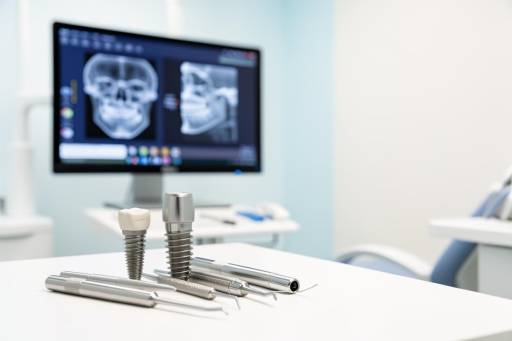
Dental implants are titanium posts surgically placed into the jawbone to replace missing tooth roots. Once implanted, they fuse with the bone through a process called osseointegration, providing a strong anchor for crowns, bridges, or dentures. This integration creates a stable structure that closely mimics natural teeth, allowing for effective chewing and biting with strength and precision.
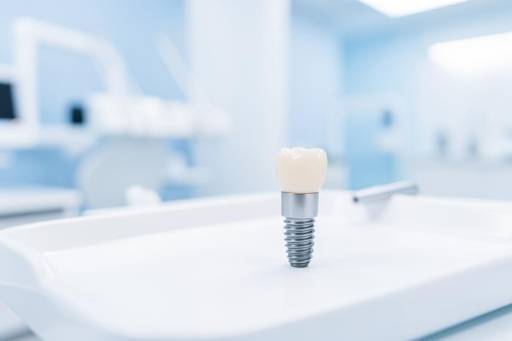
The implant consists of three parts: the implant body, which is embedded in the jawbone; the abutment, which connects the implant to the replacement tooth; and the crown or prosthetic tooth itself. Because implants are anchored in bone, they restore chewing function more reliably than removable dentures that can slip or cause discomfort, improving speech and confidence.
Restoring your chewing function with implants means you can eat a broader range of foods comfortably and maintain better nutrition. Implants also help maintain jawbone density by stimulating the bone during chewing. This prevents bone loss that typically occurs after tooth loss, preserving your facial structure and oral health over time. Maintaining bone health reduces the risk of changes in facial appearance and supports the longevity of your dental restorations.
Understanding the role of dental implants in chewing and oral health can help you appreciate their benefits and the importance of proper care. With appropriate maintenance and regular dental visits, implants can provide a durable, long-lasting solution that supports your overall well-being.
The Benefits of Dental Implants for Chewing and Overall Oral Health
Dental implants offer significant advantages over other tooth replacement options such as dentures or bridges. One key benefit is improved chewing ability. Because implants are firmly anchored in the jawbone, they allow you to bite and chew with nearly the same force and precision as natural teeth. This stability helps you enjoy a wider variety of foods comfortably, supporting better nutrition and digestion.
Implants also help preserve jawbone health. When a tooth is lost, the bone beneath can deteriorate due to lack of stimulation, leading to bone resorption and changes in facial appearance. Implants mimic natural tooth roots and provide that essential stimulation during chewing, reducing bone loss and maintaining facial structure. This preservation helps prevent the sunken or aged look often associated with missing teeth.
Additional benefits include enhanced comfort since implants do not slip or cause sore spots like removable dentures can. They feel and function like natural teeth, improving speech and confidence. Implants also protect adjacent teeth from damage, unlike bridges that require grinding down neighboring teeth for support, which can weaken them over time.
Overall, dental implants support better oral health and quality of life for patients needing tooth replacement. They offer a durable, long-lasting solution that integrates seamlessly with your mouth, allowing you to maintain your natural smile and oral function.
What to Expect During the Dental Implant Procedure
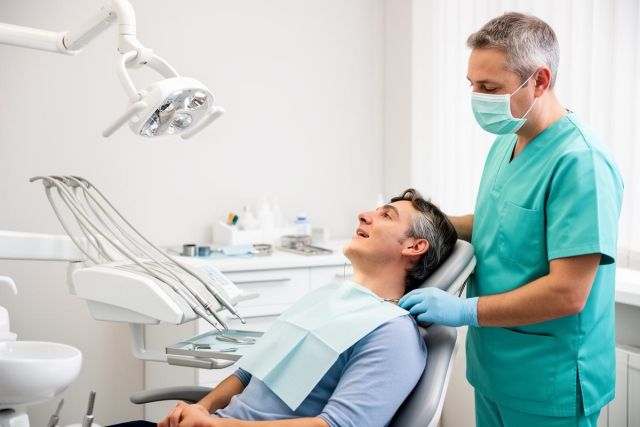
The dental implant procedure involves several stages designed to ensure successful integration and long-term function. Initially, your dentist or oral surgeon will evaluate your oral health, bone density, and overall medical condition to confirm you are a suitable candidate. This assessment may include X-rays, CT scans, and impressions of your mouth to plan the implant placement precisely.
The surgical process begins with the placement of the titanium implant into your jawbone under local anesthesia to ensure comfort. In some cases, sedation or general anesthesia may be used depending on patient preference and procedure complexity. After placement, the implant site requires a healing period of several months to allow osseointegration, during which the implant fuses with the bone, creating a stable foundation.
During this healing phase, you may receive a temporary restoration to maintain aesthetics and function, allowing you to eat and speak normally. Once healed, the abutment is attached to the implant, serving as the connector between the implant and the replacement tooth. A custom-made crown is then fitted on top, designed to match the color, shape, and size of your natural teeth.
Recovery typically involves minimal discomfort managed with pain relief medications and proper oral hygiene. Swelling and mild bruising may occur but usually subside within a few days. It is important to follow your dentist’s instructions regarding diet, oral care, and activity restrictions to promote healing.
If you are considering dental implants internationally, planning for follow-up care and understanding the timeline is important to ensure a smooth treatment experience abroad. Coordinating with your local dentist for ongoing maintenance and addressing any concerns promptly can help maintain the success of your implants.
Factors to Consider Before Getting Dental Implants Abroad
Seeking dental implants abroad can offer cost savings and access to experienced specialists, but it requires careful planning and thorough research. Evaluating clinics involves checking credentials such as professional certifications, licenses, and affiliations with recognized dental organizations. Patient reviews and testimonials can provide insight into the quality of care and patient satisfaction. Ensuring the facility meets international safety and sterilization standards is critical to minimize risks such as infection or complications during and after the procedure.
Cost considerations vary widely depending on the country, clinic reputation, and complexity of your case. While affordable care is appealing, it’s important to balance price with quality to achieve the best outcomes. Be sure to confirm what is included in the quoted price, such as initial consultations, imaging, surgical procedures, follow-up visits, and any necessary adjustments or repairs. Hidden costs, such as travel, accommodation, and potential additional treatments, should also be factored into your decision.
Patient safety is paramount when considering dental implants abroad. Verify that the clinic uses modern equipment and follows strict hygienic protocols. Experienced surgeons with specialized training in implantology are preferable. You should also consider travel logistics, including visa requirements, transportation, and accommodation options. Recovery support is another important factor; ensure you have access to local medical care if complications arise. Finally, assess communication capabilities, such as language proficiency and availability for post-procedure consultations, to ensure clear understanding throughout your treatment journey.
Maintaining Your Dental Implants for Long-Term Chewing Support
Proper care is essential to ensure your dental implants continue to support chewing function over the long term. Maintaining good oral hygiene by brushing twice daily and flossing around implants helps prevent gum disease and infection that could compromise implant stability. It's important to use non-abrasive toothpaste and a soft-bristled toothbrush to avoid damaging the implant surfaces or surrounding gum tissue. Special interdental brushes or water flossers can be beneficial for cleaning hard-to-reach areas around implants.
Regular dental checkups allow your dentist to monitor the health of your implants and surrounding tissues. During these visits, your dental professional will check for signs of inflammation, bone loss, or loosening of the implant, which can indicate potential problems. Professional cleanings remove plaque and tartar that you might miss at home, reducing the risk of peri-implantitis, a condition similar to gum disease that affects the tissues around implants.
Avoiding habits like smoking and excessive alcohol consumption also supports implant longevity, as these factors can impair healing and increase the risk of infection. Additionally, protecting your implants from excessive force or trauma is crucial; avoid chewing on hard objects like ice or pens, and consider wearing a night guard if you grind your teeth.
Healthy lifestyle choices, including a balanced diet rich in vitamins and minerals, contribute to the overall success of your implants. By following these practices consistently, you can enjoy the benefits of your implants for many years, preserving chewing function and overall oral health while minimizing the risk of complications.
Frequently Asked Questions
Q: Are dental implants suitable for everyone?
Find Out If Dental Implants Are Right for You
Answer a few short questions and HealthNode will help you connect with the right dental implant specialist.
Your Main Goal
This helps us understand which implant option may be most relevant for you.
Dental Health and Previous Tests
A few details help us understand whether you may need imaging, bone grafting, gum treatment, or implant planning.
Health and Healing Factors
These details help the specialist understand any factors that may affect implant healing.
Contact information
Your information is only used to contact you and is never shared with third parties.
Your request has been received!
Thank you. If you have dental X-rays, panoramic X-ray, CBCT scan, treatment plan, tooth extraction notes, gum disease records, or previous implant records, please keep them ready. A HealthNode consultant will guide you through the next step.
A: Most patients with good oral and overall health can be candidates for dental implants. A thorough consultation with a dental professional is necessary to assess bone density, gum health, and any medical conditions that may affect healing.
Q: How long do dental implants last?
A: Dental implants can last many years, often a lifetime, if properly cared for. Factors such as oral hygiene, lifestyle, and regular dental visits influence their longevity.
Q: Is the dental implant procedure painful?
A: The procedure is typically performed under local anesthesia, so you should feel minimal pain during surgery. Some discomfort or swelling afterward is normal and can be managed with prescribed pain relievers.
Q: How much do dental implants cost internationally?
A: Costs vary depending on the country, clinic, and treatment complexity. It’s important to research and compare reputable clinics to understand pricing and included services.
Q: What are the risks associated with dental implants?
A: Risks include infection, nerve damage, and implant failure, though these are uncommon with experienced clinicians. Proper evaluation and following post-operative care instructions help reduce these risks.
Q: How do I choose a reliable clinic abroad for dental implants?
A: Look for clinics with accredited credentials, positive patient reviews, and adherence to international safety standards. Communication with the provider before treatment helps ensure your comfort and understanding.
The information provided is for educational purposes only and does not constitute medical advice. Always consult with a healthcare professional for medical guidance specific to your situation.