Table of Contents
What Are Dental Crowns Used For?
Dental crowns are dental restorations designed to cover or "cap" a damaged tooth, restoring its shape, size, strength, and appearance. They are commonly used to protect weakened teeth, repair broken or worn teeth, and improve cosmetic issues. Crowns work by encasing the visible part of the tooth above the gum line, providing structural support and preventing further damage.
Understanding how dental crowns function can help you make informed decisions about your oral health. They are custom-made to fit your tooth precisely and blend naturally with your smile. Crowns can be fabricated from various materials including porcelain, metal, or ceramic, each offering distinct benefits depending on your dental needs.
If your tooth is compromised by decay, trauma, or aesthetic concerns, a dental crown may be the recommended solution to restore function and confidence. Knowing when and why crowns are used enables you to explore treatment options with your dental provider that align with your health goals and lifestyle.
Restore Damaged or Missing Teeth With Crowns and Bridges
Answer a few short questions and HealthNode will help you connect with the right restorative or cosmetic dentist.
Crown, Bridge, or Replacement Needs
This helps us understand whether a crown, bridge, implant, or another treatment may be more suitable.
Dental Health Check
A few details help the dentist understand whether any treatment is needed before placing a crown or bridge.
Contact information
Your information is only used to contact you and is never shared with third parties.
Your request has been received!
Thank you. If you have dental X-rays, panoramic X-ray, CBCT scan, root canal records, previous crown or bridge records, treatment plans, or dental photos, please keep them ready. A HealthNode consultant will guide you through the next step.
Dental Crowns Explained: Their Purpose and How They Protect Your Teeth
Dental crowns are protective covers that fit over a damaged or weakened tooth to restore its form and function. They act like a helmet, shielding the tooth from further wear, decay, or fracture while also improving its appearance. Typically, crowns are made after the dentist shapes the tooth to accommodate the new cap, ensuring a secure and comfortable fit.
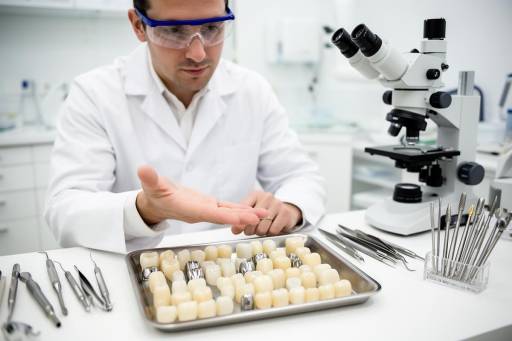
The process involves taking an impression or digital scan of your tooth, which is then used to fabricate a crown tailored exactly to your mouth. Materials for crowns include porcelain for a natural look, metals for strength, or a combination of both. The crown is cemented onto your tooth, restoring its chewing ability and protecting it from sensitivity or breakage.
Crowns are essential in restorative dentistry because they preserve teeth that might otherwise need extraction. They can also be used cosmetically to cover discolored or misshapen teeth, helping enhance your smile’s overall appearance. Understanding their function helps you appreciate why dentists often recommend crowns when other treatments are insufficient.
Common Dental Issues Treated with Crowns
Dental crowns are versatile and used to address several dental conditions. One of the most common reasons for crown placement is to restore a tooth damaged by extensive decay. When a filling is not enough to protect the remaining tooth structure, a crown offers durable coverage and support.
Crowns are also used to repair broken or cracked teeth, stabilizing them and preventing further damage. Teeth that have undergone root canal therapy often require crowns because they become more brittle after treatment. Crowns help restore strength and prevent fracture in these vulnerable teeth.
Cosmetic concerns can also be treated with crowns. If you have severely stained, misshapen, or worn teeth, crowns can improve their appearance and uniformity. Additionally, crowns serve as anchors for dental bridges, replacing missing teeth and restoring your bite.
Overall, crowns are a practical solution for restoring function, appearance, and oral health when teeth are compromised by decay, trauma, or aesthetic issues.
Types of Dental Crowns and Their Benefits
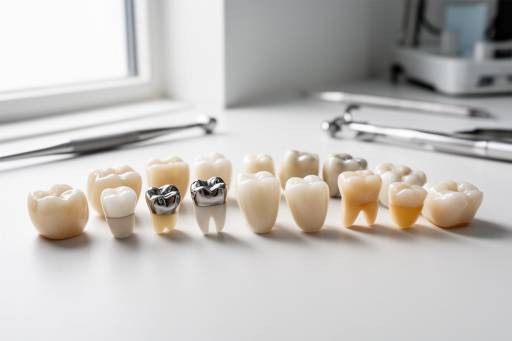
There are several types of dental crowns, each suited for different needs based on durability, appearance, and cost. Porcelain crowns are popular for their natural look, closely matching the color and translucency of your natural teeth. They are commonly used for front teeth where aesthetics are a priority.
Metal crowns, made from gold or other alloys, offer excellent strength and wear resistance. They are less likely to chip or break and are often recommended for molars that endure heavy chewing forces. However, their metallic color makes them less suitable for visible areas.
Ceramic and porcelain-fused-to-metal crowns combine the benefits of both materials. The metal base provides durability, while the porcelain overlay offers a tooth-colored appearance. This type balances function and aesthetics effectively.
Choosing the right crown depends on your dental needs, location of the tooth, and personal preferences. Your dentist can help determine which material offers the best combination of strength and natural appearance for your situation.
The Dental Crown Procedure: What to Expect
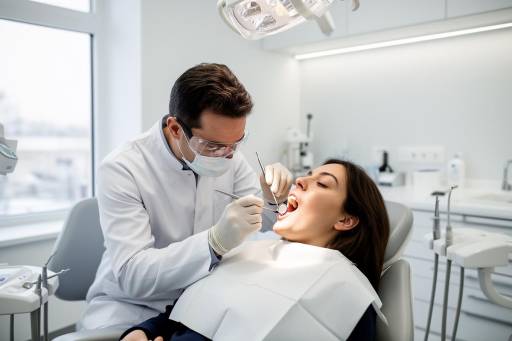
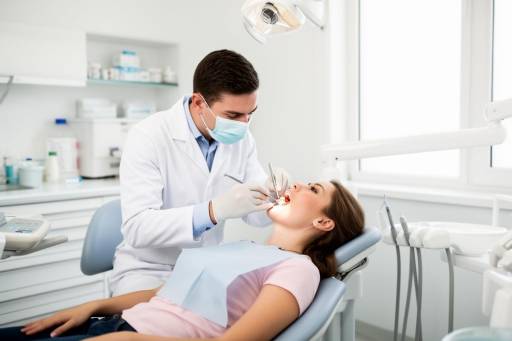
Getting a dental crown typically requires two visits to your dentist. During the first appointment, your tooth is examined and prepared by removing any decay and shaping it to fit the crown. An impression or digital scan is taken to create a custom crown that fits precisely.
A temporary crown is usually placed to protect your tooth while the permanent crown is being made. This temporary restoration allows you to eat and speak normally during the waiting period, which usually lasts one to two weeks.
At the second appointment, your dentist removes the temporary crown and fits the permanent one. They check the fit, shape, and color before cementing it securely in place. You may be advised on how to care for your new crown to ensure longevity and comfort.
The procedure is generally well tolerated, with mild sensitivity possible for a few days. Following your dentist’s aftercare instructions helps avoid complications and keeps your crown functioning well for years to come.
Benefits of Dental Crowns in Restoring Oral Health and Confidence
Dental crowns offer significant benefits beyond simply covering a damaged tooth. Functionally, they restore your ability to chew and speak properly by reinforcing weak or broken teeth. This helps maintain proper bite alignment and prevents further dental problems.
Aesthetically, crowns can dramatically improve the appearance of your smile by covering discoloration, misshapen teeth, or large fillings. This can boost your self-confidence and encourage better oral hygiene.
Crowns also protect your teeth from further decay and damage, reducing the likelihood of needing more invasive procedures like extractions or implants. They preserve your natural teeth whenever possible, which is important for long-term oral health.
Overall, dental crowns combine restorative and cosmetic benefits that help you enjoy a healthier mouth and a more attractive smile, contributing positively to your quality of life.
Restore Damaged or Missing Teeth With Crowns and Bridges
Answer a few short questions and HealthNode will help you connect with the right restorative or cosmetic dentist.
Crown, Bridge, or Replacement Needs
This helps us understand whether a crown, bridge, implant, or another treatment may be more suitable.
Dental Health Check
A few details help the dentist understand whether any treatment is needed before placing a crown or bridge.
Contact information
Your information is only used to contact you and is never shared with third parties.
Your request has been received!
Thank you. If you have dental X-rays, panoramic X-ray, CBCT scan, root canal records, previous crown or bridge records, treatment plans, or dental photos, please keep them ready. A HealthNode consultant will guide you through the next step.
Frequently Asked Questions
Q: How long do dental crowns typically last?
A: Dental crowns generally last between 5 and 15 years, depending on the material used and how well you care for them. Good oral hygiene and avoiding habits like teeth grinding can extend their lifespan. Regular dental checkups help detect any issues early to maintain your crown's condition.
Q: Are dental crowns painful to get?
A: The dental crown procedure is usually performed under local anesthesia, so you should not feel pain during the process. Some sensitivity or mild discomfort may occur after the procedure, but it typically resolves quickly. Your dentist can recommend pain relief options if needed.
Q: What factors affect the cost of dental crowns?
A: The cost of dental crowns depends on the material chosen, the tooth’s location, and the complexity of the procedure. Porcelain and ceramic crowns often cost more than metal crowns due to their natural appearance. Insurance coverage and geographic location can also influence the price.
Q: Can dental crowns be used for cosmetic improvements only?
A: Yes, dental crowns are sometimes used purely for cosmetic reasons to improve the appearance of discolored, misshapen, or worn teeth. They can create a uniform, attractive smile while also providing the added benefit of strengthening the tooth. Your dentist will assess whether a crown is appropriate based on your needs.
Q: How should I care for my dental crown?
A: Caring for a dental crown involves maintaining good oral hygiene with regular brushing and flossing. Avoid chewing on hard objects like ice or pens to prevent damage. Routine dental visits are important to ensure the crown and surrounding teeth remain healthy.
The information provided is for educational purposes only and does not constitute medical advice. Always consult with a healthcare professional for medical guidance specific to your situation.