Table of Contents
What Is the Difference Between a Dental Crown and a Dental Bridge?
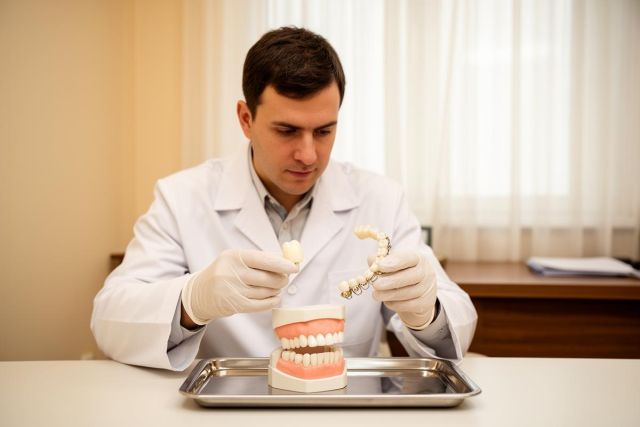
Dental crowns and dental bridges are two common restorative dental treatments designed to improve the function and appearance of your teeth. A dental crown is a cap that covers a damaged or weakened tooth to restore its shape, size, and strength, while a dental bridge replaces one or more missing teeth by anchoring artificial teeth to adjacent natural teeth or implants.
Choosing between a crown and a bridge depends on the specific dental issue you face. Crowns protect and strengthen individual teeth that are cracked, decayed, or worn down. Bridges, on the other hand, fill gaps created by missing teeth, preventing shifting of neighboring teeth and restoring your smile’s integrity.
Understanding how these restorations work and their differences will help you make informed decisions about your dental care. This knowledge is especially valuable if you are considering restorative options to improve your oral health and aesthetics.
Restore Damaged or Missing Teeth With Crowns and Bridges
Answer a few short questions and HealthNode will help you connect with the right restorative or cosmetic dentist.
Crown, Bridge, or Replacement Needs
This helps us understand whether a crown, bridge, implant, or another treatment may be more suitable.
Dental Health Check
A few details help the dentist understand whether any treatment is needed before placing a crown or bridge.
Contact information
Your information is only used to contact you and is never shared with third parties.
Your request has been received!
Thank you. If you have dental X-rays, panoramic X-ray, CBCT scan, root canal records, previous crown or bridge records, treatment plans, or dental photos, please keep them ready. A HealthNode consultant will guide you through the next step.
Dental Crowns vs. Dental Bridges: Key Differences and Uses
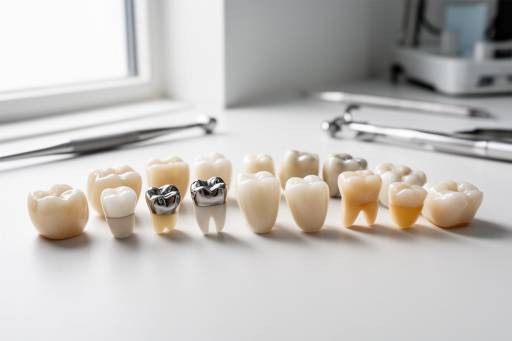
Dental crowns are tooth-shaped caps placed over a damaged or weakened tooth to restore its normal shape, size, and function. They provide strength and protection for teeth that have suffered from decay, fractures, or after root canal treatment. Crowns can be made from various materials, including porcelain, ceramic, metal alloys, or a combination, and are custom-designed to match your natural teeth.
Dental bridges, in contrast, are fixed prosthetic devices used to replace one or more missing teeth. They consist of artificial teeth, known as pontics, anchored securely by crowns placed on the adjacent healthy teeth or dental implants. This setup bridges the gap where teeth are missing, restoring chewing ability and preventing teeth from shifting out of alignment.
Both crowns and bridges fall under restorative dentistry, aiming to improve oral function and aesthetics after damage or tooth loss. While crowns focus on individual tooth restoration, bridges address the replacement of teeth and maintenance of dental arch integrity.
Key Differences Between Dental Crowns and Dental Bridges
The main difference between a dental crown and a dental bridge lies in their purpose and design. A dental crown covers a single tooth to restore its strength and appearance. In contrast, a dental bridge replaces one or more missing teeth by spanning the gap, supported by crowns on neighboring teeth or implants.
Crowns are typically used when a tooth is damaged but still present, whereas bridges require healthy adjacent teeth to anchor the prosthetic replacement. The materials used for both restorations overlap, with porcelain and ceramic offering natural aesthetics, while metal alloys provide added strength.
Suitability depends on your oral health status and the dental problem you need addressed. Crowns are ideal for teeth that need reinforcement, while bridges are suitable for patients missing teeth and looking to restore chewing function and smile continuity without opting immediately for implants.
Understanding these differences helps clarify your dental restoration options and what each treatment can achieve for your oral health.
When to Consider a Dental Crown or a Dental Bridge
Dental crowns are recommended when a tooth is weakened by decay, cracked, worn down, or after procedures like root canals. They protect the remaining tooth structure and restore function and appearance. If a tooth is structurally compromised but salvageable, a crown provides durable protection.
Dental bridges are considered when you have one or more missing teeth and want to restore your smile without implants. They require healthy adjacent teeth to support the bridge, so those teeth must be strong enough for crowns. Bridges help maintain proper bite alignment and prevent shifting of remaining teeth.
Your dentist will evaluate your oral health, the condition of surrounding teeth, and your functional and cosmetic goals to recommend the appropriate restoration. Sometimes, crowns and bridges are used together, for example, when crowns anchor a bridge replacing missing teeth.
Discussing your specific dental needs with a qualified professional will guide you to the best choice for your treatment plan.
Pros and Cons of Dental Crowns and Dental Bridges
Dental crowns offer several advantages, including restoring tooth strength, protecting damaged teeth, and improving appearance with natural-looking materials. They typically require minimal maintenance beyond good oral hygiene and regular dental visits. Crowns can last many years with proper care.
However, crowns require removal of some tooth structure and may cause sensitivity initially. They also may need replacement over time due to wear or damage.
Dental bridges provide a fixed solution for missing teeth that restores chewing and speaking abilities while preserving facial shape. They are less invasive than implants and can be completed relatively quickly.
On the downside, bridges rely on adjacent teeth for support, which may require alteration of healthy teeth. They can be more challenging to clean, increasing the risk of decay or gum disease if hygiene is compromised. Bridges may also need replacement after several years.
Both restorations offer valuable benefits but come with considerations that should be discussed with your dentist to ensure the best outcome for your oral health.
Choosing the Right Option for Your Smile
Selecting between a dental crown and a dental bridge involves evaluating your oral health, dental condition, and personal preferences. If you have a damaged tooth that can be saved, a crown is generally the best choice to restore strength and appearance.
If you are missing one or more teeth and want a non-removable replacement, a bridge may be appropriate, provided your adjacent teeth are strong enough to support it. Your budget and long-term oral health goals also influence the decision, as crowns and bridges differ in cost, maintenance, and lifespan.
Consulting with a dental professional specializing in restorative care will help tailor the treatment plan to your specific needs. They will consider factors like tooth condition, gum health, bite alignment, and aesthetics to recommend the most suitable option for your smile.
Personalized dental care ensures that whichever restoration you choose, it supports your oral health and confidence for years to come.
Restore Damaged or Missing Teeth With Crowns and Bridges
Answer a few short questions and HealthNode will help you connect with the right restorative or cosmetic dentist.
Crown, Bridge, or Replacement Needs
This helps us understand whether a crown, bridge, implant, or another treatment may be more suitable.
Dental Health Check
A few details help the dentist understand whether any treatment is needed before placing a crown or bridge.
Contact information
Your information is only used to contact you and is never shared with third parties.
Your request has been received!
Thank you. If you have dental X-rays, panoramic X-ray, CBCT scan, root canal records, previous crown or bridge records, treatment plans, or dental photos, please keep them ready. A HealthNode consultant will guide you through the next step.
Frequently Asked Questions
Q: How long do dental crowns typically last?
A: Dental crowns usually last between 5 to 15 years, depending on the material used and how well you maintain oral hygiene. Avoiding habits like teeth grinding and regular dental check-ups can extend their lifespan.
Q: Can a dental bridge be replaced if it gets damaged?
A: Yes, dental bridges can be replaced if they become damaged or worn out. Your dentist will assess the condition of the bridge and surrounding teeth to determine the best replacement approach.
Q: Is the procedure for getting a dental crown or bridge painful?
A: Both procedures typically involve local anesthesia to minimize discomfort. You might experience some sensitivity or mild soreness after treatment, which usually resolves quickly with proper care.
Q: Are dental crowns and bridges covered by dental insurance?
A: Coverage varies depending on your insurance plan. It is best to check with your provider to understand benefits related to crowns and bridges and any out-of-pocket costs you may incur.
Q: How do I care for my dental bridge or crown?
A: Maintaining excellent oral hygiene is essential, including brushing twice daily and flossing around the restoration. Regular dental visits help monitor the condition of crowns and bridges and prevent complications.
The information provided is for educational purposes only and does not constitute medical advice. Always consult with a healthcare professional for medical guidance specific to your situation.