Table of Contents
How Can Dental Implants Support Speech?
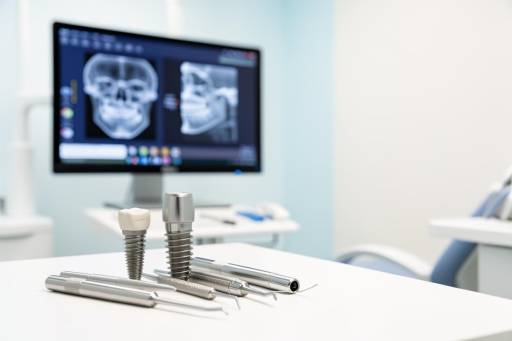
Dental implants can effectively support and improve speech for individuals who have missing or damaged teeth. By replacing lost teeth with stable, natural-feeling implants, these restorations help restore normal speech patterns and clarity. Missing teeth often disrupt pronunciation and confidence, but implants provide a durable foundation to articulate sounds properly.
Your teeth play a crucial role in shaping sounds when you speak. When teeth are absent or compromised, it may lead to lisps, slurring, or difficulty pronouncing certain consonants. Dental implants act as artificial tooth roots, anchoring replacement teeth firmly in place. This stability supports the tongue and lips in making sounds clearly, helping you regain more natural speech.
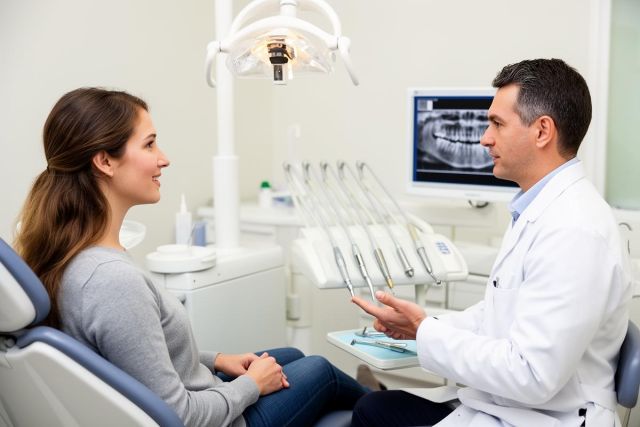
Understanding the connection between oral health and speech is important if you are considering dental implants. This knowledge can help you make informed decisions about your treatment and what to expect during recovery. Consulting with a qualified dental professional will ensure that implants are placed correctly to maximize both functional and aesthetic benefits.
Find Out If Dental Implants Are Right for You
Answer a few short questions and HealthNode will help you connect with the right dental implant specialist.
Your Main Goal
This helps us understand which implant option may be most relevant for you.
Dental Health and Previous Tests
A few details help us understand whether you may need imaging, bone grafting, gum treatment, or implant planning.
Health and Healing Factors
These details help the specialist understand any factors that may affect implant healing.
Contact information
Your information is only used to contact you and is never shared with third parties.
Your request has been received!
Thank you. If you have dental X-rays, panoramic X-ray, CBCT scan, treatment plan, tooth extraction notes, gum disease records, or previous implant records, please keep them ready. A HealthNode consultant will guide you through the next step.
How Teeth Influence Speech Clarity and Communication
Your teeth are essential for producing clear speech because they help control airflow and shape sounds. Specific sounds, especially consonants like "s," "t," and "th," require precise contact between the tongue and teeth. Missing or damaged teeth can alter this contact, leading to distorted or unclear speech.
When teeth are absent, the tongue may push through gaps or adjust its position awkwardly. This can cause a lisp or slurred pronunciation. Beyond physical changes, missing teeth can also affect your confidence, making you hesitant to speak clearly or loudly.
The relationship between oral health and speech means that dental issues extend beyond aesthetics and chewing function. Speech production depends on a coordinated effort between teeth, tongue, lips, and the palate. Any disruption in this system, such as from tooth loss, can impact how you communicate effectively.
Addressing missing teeth restores not just your smile but also the mechanics of speech. This foundational understanding highlights why tooth replacement options like dental implants are valuable for both functional and psychological reasons.
How Dental Implants Restore Speech Functionality
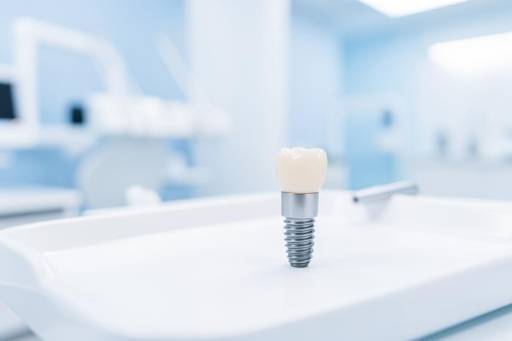
Dental implants function by anchoring artificial teeth directly into the jawbone, providing a stable and permanent replacement for missing teeth. Unlike dentures that may shift or bridges that rely on adjacent teeth, implants offer superior oral stability, which is crucial for clear speech (https://pubmed.ncbi.nlm.nih.gov/11251667/).
This stability means your tongue and lips can interact with the replacement teeth just as they would with natural teeth. Dental implants prevent the slipping or clicking often associated with dentures, which can interfere with pronunciation. As a result, many patients experience clearer speech and greater confidence when speaking (https://pubmed.ncbi.nlm.nih.gov/33865562/).
Because implants integrate with your bone, they also help maintain the shape of your jaw and mouth. This anatomical preservation supports the natural movement needed for articulation. Over time, as you adapt to your implants, your speech typically improves further and feels more natural (https://pmc.ncbi.nlm.nih.gov/articles/PMC6899632/).
Choosing dental implants can be an effective way to restore not only your oral function but also your ability to communicate clearly. Proper placement by a skilled dental professional and following post-surgical care instructions are important to achieve the best speech outcomes (https://pubmed.ncbi.nlm.nih.gov/22239248/).
Comparing Dental Implants to Other Tooth Replacement Options
When considering tooth replacement, dental implants, dentures, and bridges are common options that differ in how they affect speech and oral function.
Dentures are removable and may shift during talking or eating, which can cause slurred or mumbled speech. They can also require an adjustment period to learn how to speak clearly. Bridges are fixed but rely on adjacent teeth for support, which may not fully restore oral stability.
Dental implants provide a fixed, secure solution that mimics natural teeth both in function and appearance. This stability reduces the risk of speech difficulties caused by shifting or discomfort. Implants also help preserve jawbone health, which supports your oral structures over time.
Here is a comparison of how these options impact speech and oral function:
| Tooth Replacement Option | Impact on Speech | Oral Stability | Longevity |
|---|---|---|---|
| Dentures | May cause slipping affecting speech clarity | Moderate, removable | Requires periodic replacement and adjustment |
| Bridges | Fixed but may feel less natural | Good, supported by adjacent teeth | Durable but can affect supporting teeth |
| Dental Implants | Closest to natural teeth, supports clear speech | Excellent, anchored in bone | Long-lasting with proper care |
Choosing the best option depends on your oral health, lifestyle, and personal preferences. Discussing these factors with your dentist will help you decide which treatment supports your speech needs best.
Steps to Prepare for Dental Implant Surgery and Improve Speech Outcomes
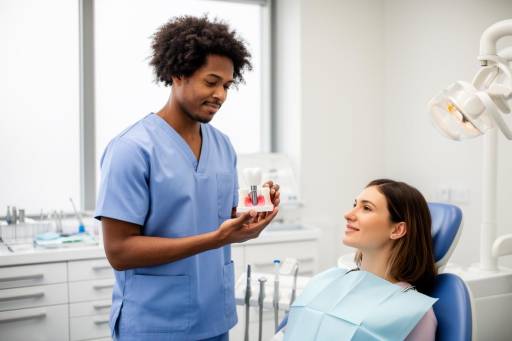
Preparing well for dental implant surgery can enhance your chances of achieving clear speech post-treatment. Initial consultation with a qualified dental specialist is essential to evaluate your oral health, bone density, and overall suitability for implants.
Pre-surgery tips include maintaining good oral hygiene, avoiding tobacco, and following any dietary or medication instructions from your dentist. These steps help create a healthy environment for implant placement and healing.
The surgical process involves placing titanium posts into the jawbone, which requires time to integrate with the bone. After healing, your dentist will attach custom crowns that restore your teeth’s appearance and function, supporting natural speech.
Post-surgery care is vital to prevent infection and promote healing. This includes gentle cleaning around the implants, avoiding hard foods initially, and attending follow-up appointments. With proper care, speech improvements often become noticeable as you adapt to your new teeth.
Working closely with your dental provider throughout this process ensures the best functional and speech outcomes from your dental implants.
Maintaining Your Dental Implants for Long-Term Speech Support
Long-term success of your dental implants depends on consistent maintenance and healthy oral habits. Good oral hygiene, such as regular brushing and flossing around implants, prevents plaque buildup and gum inflammation.
Regular dental visits allow your dentist to monitor implant health and catch any potential issues early. Professional cleanings help maintain the tissues supporting the implants, which is essential for their stability and your speech function.
Lifestyle choices like avoiding smoking and limiting sugary foods also contribute to implant longevity. Protecting your implants from excessive forces, such as teeth grinding, further supports their durability.
By caring well for your implants, you preserve the structure and function needed to articulate sounds clearly. This maintenance not only supports speech but also enhances your overall oral health and confidence in communication over time.
Find Out If Dental Implants Are Right for You
Answer a few short questions and HealthNode will help you connect with the right dental implant specialist.
Your Main Goal
This helps us understand which implant option may be most relevant for you.
Dental Health and Previous Tests
A few details help us understand whether you may need imaging, bone grafting, gum treatment, or implant planning.
Health and Healing Factors
These details help the specialist understand any factors that may affect implant healing.
Contact information
Your information is only used to contact you and is never shared with third parties.
Your request has been received!
Thank you. If you have dental X-rays, panoramic X-ray, CBCT scan, treatment plan, tooth extraction notes, gum disease records, or previous implant records, please keep them ready. A HealthNode consultant will guide you through the next step.
Frequently Asked Questions
Q: Can dental implants fully restore my speech to normal?
A: Dental implants can significantly improve speech clarity, especially if missing teeth were affecting pronunciation. However, individual results vary and depend on proper placement and care.
Q: How long does it take to see speech improvements after getting dental implants?
A: Most patients notice improvements within a few weeks after healing, but full adaptation may take a few months as you get used to the new teeth.
Q: Are dental implants suitable for all ages concerned about speech?
A: Dental implants are generally suitable for adults in good health. A thorough dental evaluation is necessary to determine eligibility.
Q: Will I need special care for my dental implants to support speech?
A: Yes, maintaining good oral hygiene and regular dental check-ups are essential for the longevity of implants and optimal speech support.
Q: Can dental implants prevent further speech issues caused by missing teeth?
A: Yes, by restoring the structure and function of your teeth, implants can help prevent additional speech problems related to missing or damaged teeth.
Q: What should I consider when choosing a provider for dental implants?
A: Look for experienced, qualified dental professionals with good patient reviews and a track record of successful implant procedures.
The information provided is for educational purposes only and does not constitute medical advice. Always consult with a healthcare professional for medical guidance specific to your situation.