Table of Contents
What Types of Dental Implants Are Available?
Dental implants are a highly effective and popular solution for replacing missing teeth, providing both functional and aesthetic benefits. They consist of titanium posts surgically placed into the jawbone to serve as artificial tooth roots, supporting crowns, bridges, or dentures. This approach helps restore chewing ability, prevents bone loss, and maintains facial structure better than traditional dentures.
Understanding the types of dental implants available is essential to making an informed decision tailored to your specific needs. Various implant designs and placement techniques exist to accommodate differences in jawbone quality, oral anatomy, and personal health. Knowing your options can help you work with your dental provider to choose the best implant type for your oral health goals and lifestyle.
Dental Implants: A Durable and Natural Tooth Replacement Solution
Dental implants have become a cornerstone in modern tooth replacement strategies due to their durability and natural function. Unlike removable dentures, implants are fixed into the jawbone, which allows them to act similarly to natural tooth roots. This integration with bone, known as osseointegration, provides a stable foundation for artificial teeth and helps preserve bone density, which tends to deteriorate after tooth loss.
Find Out If Dental Implants Are Right for You
Answer a few short questions and HealthNode will help you connect with the right dental implant specialist.
Your Main Goal
This helps us understand which implant option may be most relevant for you.
Dental Health and Previous Tests
A few details help us understand whether you may need imaging, bone grafting, gum treatment, or implant planning.
Health and Healing Factors
These details help the specialist understand any factors that may affect implant healing.
Contact information
Your information is only used to contact you and is never shared with third parties.
Your request has been received!
Thank you. If you have dental X-rays, panoramic X-ray, CBCT scan, treatment plan, tooth extraction notes, gum disease records, or previous implant records, please keep them ready. A HealthNode consultant will guide you through the next step.
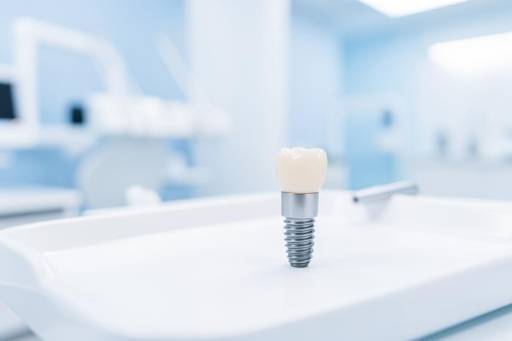
Implants can replace a single tooth, multiple teeth, or even support full-arch prosthetics. Their design typically involves three parts: the implant post, an abutment that connects the post to the replacement tooth, and the crown or prosthesis itself. This assembly restores not only appearance but also effective chewing and speaking abilities.
Because dental implants fuse with the jawbone, they offer superior stability compared to other tooth replacement options like bridges or dentures, which rely on adjacent teeth or gums for support. This stability contributes to improved oral health over time and can enhance overall quality of life.
Different Types of Dental Implants: Which One Is Right for You?
The primary types of dental implants differ mainly in how and where they are placed in the jawbone, each suited to specific bone conditions and patient needs.
-
Endosteal Implants: These are the most commonly used and are placed directly into the jawbone as small screws or cylinders. They provide a strong foundation for single crowns, bridges, or implant-supported dentures. Endosteal implants require adequate bone density for successful placement.
-
Subperiosteal Implants: Used when jawbone height or density is insufficient for endosteal implants, subperiosteal implants are placed on top of the jawbone but beneath the gum tissue. This type is less common today but can be an option for patients unwilling or unable to undergo bone grafting procedures.
-
Zygomatic Implants: These are longer implants anchored in the cheekbone (zygoma) instead of the upper jawbone. They are reserved for patients with severe bone loss in the upper jaw where traditional implants are not feasible, often eliminating the need for bone grafts.
Choosing the right implant type depends on factors such as bone quality, location of missing teeth, and overall oral health. Your dental specialist will assess these to recommend the best implant option tailored to your condition.
Factors Influencing Your Choice of Dental Implants
Selecting the appropriate dental implant involves several personal and clinical considerations to ensure the best outcome.
Bone Density and Quality: The amount and strength of your jawbone are critical. Sufficient bone allows for standard endosteal implants, while reduced bone may require alternative implants like subperiosteal or zygomatic types or additional procedures such as bone grafting.
Oral and General Health: Conditions like uncontrolled diabetes or smoking can affect healing and implant success. Your overall health status will guide the timing and type of implant recommended.
Lifestyle and Functional Needs: Your chewing habits, aesthetic expectations, and willingness to undergo surgical procedures influence implant choice. For example, zygomatic implants may be preferable for those seeking to avoid extensive grafting.
Budget Considerations: Implant costs vary by type and complexity of the procedure. Discussing your budget with your provider can help tailor a treatment plan that balances affordability with quality care.
These factors work together in your provider’s evaluation to devise a personalized implant solution that supports long-term oral health and function.
The Dental Implant Procedure: What to Expect
The dental implant process typically involves several stages, each designed to promote successful integration and restoration.
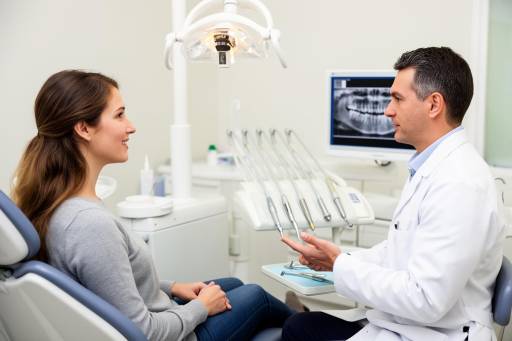
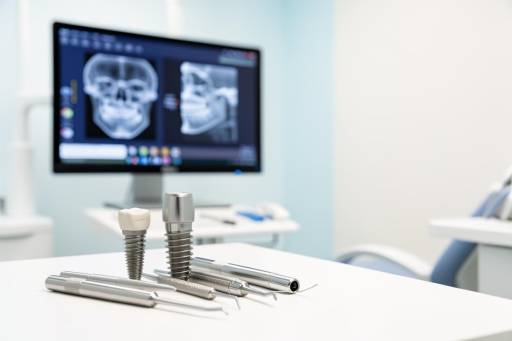
Consultation and Planning: Your dentist or oral surgeon evaluates your oral health, bone structure, and medical history using imaging techniques. This step determines implant type, placement location, and if preparatory treatments like bone grafting are necessary.
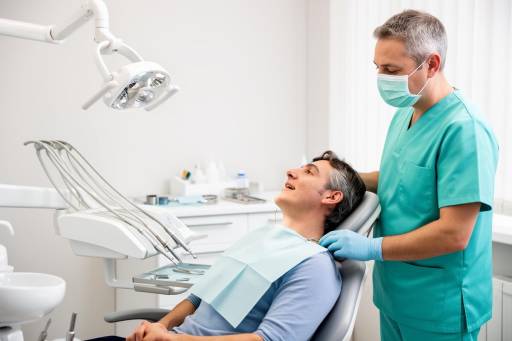
Surgical Placement: The implant post is surgically inserted into the jawbone under local anesthesia or sedation. Healing time varies but usually requires a few months to allow osseointegration, where the bone fuses to the implant.
Abutment and Restoration: Once the implant is secure, an abutment is attached to connect the implant to the artificial tooth or prosthesis. The final crown, bridge, or denture is then placed, restoring function and aesthetics.
Recovery and Care: Post-surgical care includes managing discomfort with medications, maintaining oral hygiene, and follow-up visits to monitor healing. Most patients resume normal activities quickly, with full implant function after healing.
Understanding this multi-step process helps set realistic expectations and prepares you for a successful implant experience.
Maintaining Oral Health After Dental Implants
Proper care after dental implant placement is crucial for ensuring their longevity and preventing complications.
Maintain Good Oral Hygiene: Brush twice daily using a soft-bristled toothbrush and floss around implants carefully to prevent plaque buildup and gum inflammation.
Regular Dental Check-ups: Professional cleanings and check-ups help monitor implant health and detect early signs of problems such as peri-implantitis or bone loss.
Avoid Harmful Habits: Smoking and excessive alcohol consumption can impair healing and increase the risk of implant failure. Limiting these supports better outcomes.
Find Out If Dental Implants Are Right for You
Answer a few short questions and HealthNode will help you connect with the right dental implant specialist.
Your Main Goal
This helps us understand which implant option may be most relevant for you.
Dental Health and Previous Tests
A few details help us understand whether you may need imaging, bone grafting, gum treatment, or implant planning.
Health and Healing Factors
These details help the specialist understand any factors that may affect implant healing.
Contact information
Your information is only used to contact you and is never shared with third parties.
Your request has been received!
Thank you. If you have dental X-rays, panoramic X-ray, CBCT scan, treatment plan, tooth extraction notes, gum disease records, or previous implant records, please keep them ready. A HealthNode consultant will guide you through the next step.
Protect Against Trauma: If you engage in contact sports or grind your teeth, consider protective devices like mouthguards or nightguards to safeguard implants.
By integrating these habits into your routine, you help preserve your dental implants and overall oral health for many years.
Frequently Asked Questions
Q: What are the main types of dental implants available?
A: The main types include endosteal implants placed directly in the jawbone, subperiosteal implants positioned on the bone under the gum, and zygomatic implants anchored in the cheekbone for severe upper jaw bone loss.
Q: How do I know which dental implant type is best for me?
A: Your dentist will evaluate your jawbone density, oral health, and personal needs to recommend the implant type that offers the best support and success rate for your situation.
Q: Is the dental implant procedure painful?
A: Most patients experience minimal discomfort during and after implant surgery, which can be managed with local anesthesia and pain medications. Recovery times vary but are generally well tolerated.
Q: How long do dental implants last?
A: With proper care and maintenance, dental implants can last 15 years or more, often a lifetime. Regular dental visits and good oral hygiene are essential to their longevity.
Q: Can anyone get dental implants?
A: Candidates should have adequate bone density and good overall health. Certain conditions like uncontrolled diabetes or heavy smoking may require evaluation before proceeding with implants.
The information provided is for educational purposes only and does not constitute medical advice. Always consult with a healthcare professional for medical guidance specific to your situation.