Quick Answer
Not every root canal treated tooth requires a crown; the need depends on factors such as the tooth's location, extent of damage, and remaining tooth structure. Your dentist will evaluate these factors to recommend the most appropriate restoration.
- Crowns strengthen and protect root canal treated teeth by covering the entire visible portion and absorbing biting forces.
- Teeth with extensive decay or large fillings generally require crowns for reinforcement after root canal treatment.
- Back teeth like molars and premolars are more likely to need crowns due to higher chewing forces compared to front teeth.
- Alternative restorations like fillings or onlays may be suitable for teeth with minimal damage but offer less structural support than crowns.
- Proper oral hygiene and regular dental check-ups are essential for maintaining crowned root canal treated teeth.
- Not using a crown when needed can lead to tooth fractures, reinfection, and potentially tooth loss.
- Consulting your dentist after root canal therapy helps determine the best restoration and prevents complications.
Does Every Root Canal Treated Tooth Need a Crown?
Not every tooth that undergoes root canal treatment requires a crown, but many do benefit from one to restore strength and function. The need for a crown depends on several factors including the tooth’s location, the extent of damage or decay, and how much natural tooth structure remains. Crowns provide significant protection by reinforcing teeth that have become brittle or weakened after root canal therapy.
Root canal treatment removes infected or damaged pulp tissue inside the tooth, which can weaken the overall structure. Without proper restoration, these teeth are at higher risk of fracture or further damage. A crown acts as a durable cap that covers and supports the treated tooth, helping it withstand the forces of chewing and daily use. However, some teeth with minimal damage may be successfully restored with other options.
Understanding when a crown is necessary after root canal treatment helps you make informed decisions about your dental care. Your dentist will evaluate your specific tooth condition, bite, and restoration goals to recommend the best approach for long-term tooth preservation and function.
Restore Damaged or Missing Teeth With Crowns and Bridges
Answer a few short questions and HealthNode will help you connect with the right restorative or cosmetic dentist.
Crown, Bridge, or Replacement Needs
This helps us understand whether a crown, bridge, implant, or another treatment may be more suitable.
Dental Health Check
A few details help the dentist understand whether any treatment is needed before placing a crown or bridge.
Contact information
Your information is only used to contact you and is never shared with third parties.
Your request has been received!
Thank you. If you have dental X-rays, panoramic X-ray, CBCT scan, root canal records, previous crown or bridge records, treatment plans, or dental photos, please keep them ready. A HealthNode consultant will guide you through the next step.
The Role of Crowns After Root Canal Treatment in Restoring Tooth Strength
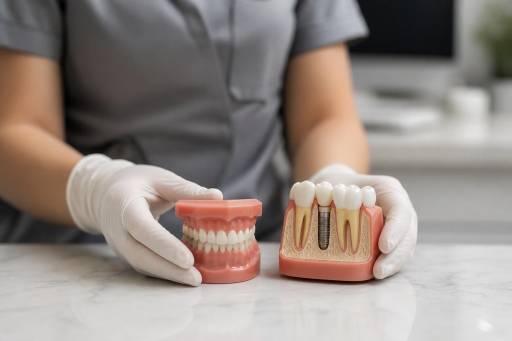
A crown plays a critical role in protecting and strengthening a tooth after root canal treatment. Once the infected pulp is removed, the tooth often loses its natural moisture and structural integrity, making it more brittle and susceptible to cracks or fractures.
Crowns cover the entire visible portion of the tooth, providing a strong outer shell that absorbs biting forces. This protection helps prevent further damage and preserves the tooth’s function for chewing and speaking. Additionally, crowns restore the tooth’s shape and appearance, which may be compromised after treatment.
Post-treatment care involving a crown can significantly improve the tooth’s longevity. Supporting the tooth with a well-fitted crown reduces the risk of costly complications such as tooth fracture or loss. Thus, crowns serve both functional and protective purposes in the restoration process after root canal therapy.
Factors That Influence the Need for a Crown on a Root Canal Treated Tooth
Several factors influence whether your root canal treated tooth will need a crown. The amount of remaining healthy tooth structure is one of the primary considerations. Teeth with extensive decay or large fillings lose significant natural support and generally require crowns for reinforcement.
The tooth’s location also matters because molars and premolars endure higher bite forces compared to front teeth. Root canal treated back teeth are more likely to need crowns to prevent fractures from chewing pressure. In contrast, front teeth with minimal damage might be restored with other options.
Other factors include the tooth’s function, your bite pattern, and overall dental health. Your dentist will assess these elements alongside your personal preferences and budget to recommend the most appropriate restorative option. This personalized approach ensures the best balance between durability, appearance, and cost-effectiveness for your situation.
Alternative Restorations for Root Canal Treated Teeth and Their Limitations
While crowns are commonly recommended, some root canal treated teeth can be restored with alternative options like dental fillings or onlays. These restorations preserve more natural tooth structure and may be suitable for teeth with minimal damage.
Dental fillings can replace lost tooth material and seal the treated area, but they offer less structural support than crowns. Onlays cover a larger portion of the tooth than fillings but do not fully encase it like a crown. These options may be appropriate for front teeth or molars with limited decay and no cracks.
However, alternative restorations have limitations. They may not provide sufficient protection against fracture in teeth weakened by extensive decay or large access cavities from root canal treatment. Choosing the right restoration depends on careful evaluation by your dentist to balance tooth preservation with long-term durability.
Long-Term Care and Maintenance of Root Canal Treated Teeth with Crowns
Maintaining good oral hygiene is essential for the longevity of crowned root canal treated teeth. Regular brushing, flossing, and dental check-ups help prevent decay around the crown margins and gum disease that could compromise the tooth.
Crowns can last many years with proper care, but they are not immune to wear or damage. Avoiding habits like teeth grinding or chewing hard objects reduces the risk of crown fractures or loosening.
Your dentist may recommend periodic evaluations to monitor the crown and underlying tooth. Timely professional cleanings and prompt attention to any sensitivity or discomfort can prolong your tooth’s health and function. Consistent preventive care is key to protecting your investment in a crowned tooth.
Risks and Consequences of Not Using a Crown After Root Canal Treatment
Choosing not to place a crown on a root canal treated tooth when indicated can lead to serious risks. The treated tooth is more brittle and prone to fractures without the protective coverage of a crown.
Cracks or breaks may occur even under normal chewing forces, potentially leading to tooth loss if the damage is severe. Additionally, inadequate restoration can allow bacteria to enter, risking re-infection and the need for retreatment.
Avoiding a crown when necessary may result in more complex and costly dental procedures later. Understanding these risks underscores the importance of following your dentist’s recommendations for restoration after root canal therapy to safeguard your tooth’s long-term survival.
When to Consult Your Dentist About Restorative Options for Root Canal Treated Teeth
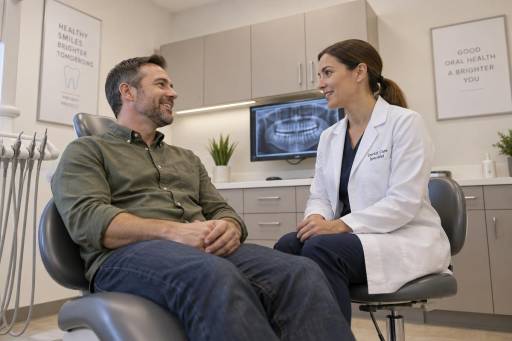
Discussing restorative options with your dentist is essential after root canal treatment. Your dentist will evaluate your tooth’s condition, bite forces, and overall oral health to suggest the most suitable restoration.
If you experience symptoms like tooth sensitivity, discomfort, or changes in appearance after root canal therapy, consult your dentist promptly. Early professional advice helps prevent complications and ensures the chosen restoration supports your tooth effectively.
Regular dental visits allow your provider to monitor treated teeth and adjust care plans as needed. Open communication about your preferences and concerns enables personalized treatment planning that aligns with your health goals and lifestyle.
Restore Damaged or Missing Teeth With Crowns and Bridges
Answer a few short questions and HealthNode will help you connect with the right restorative or cosmetic dentist.
Crown, Bridge, or Replacement Needs
This helps us understand whether a crown, bridge, implant, or another treatment may be more suitable.
Dental Health Check
A few details help the dentist understand whether any treatment is needed before placing a crown or bridge.
Contact information
Your information is only used to contact you and is never shared with third parties.
Your request has been received!
Thank you. If you have dental X-rays, panoramic X-ray, CBCT scan, root canal records, previous crown or bridge records, treatment plans, or dental photos, please keep them ready. A HealthNode consultant will guide you through the next step.
Frequently Asked Questions
Q: Does every root canal treated tooth require a crown?
A: Not all root canal treated teeth need crowns; the necessity depends on factors like tooth location, extent of damage, and remaining tooth structure. Your dentist will assess these to recommend the best restoration.
Q: What happens if a root canal treated tooth is not crowned when needed?
A: Without a crown, a root canal treated tooth may become brittle, leading to fractures or cracks. This increases the risk of tooth loss and potential reinfection, making crowns important in many cases.
Q: Can a filling be used instead of a crown after root canal treatment?
A: Fillings or onlays might be suitable for teeth with minimal damage, especially front teeth. However, they offer less support than crowns and may not protect against fractures in more damaged teeth.
Q: How can I care for a crowned tooth after root canal therapy?
A: Maintain good oral hygiene by brushing twice daily, flossing, and visiting your dentist regularly. Avoid habits like chewing hard objects or grinding teeth to preserve crown integrity.
Q: When should I discuss restoration options with my dentist after root canal treatment?
A: Consult your dentist soon after root canal therapy to plan restoration. Also, seek advice if you notice sensitivity, discomfort, or changes in your tooth’s appearance to prevent complications.
The information provided is for educational purposes only and does not constitute medical advice. Always consult with a healthcare professional for medical guidance specific to your situation.