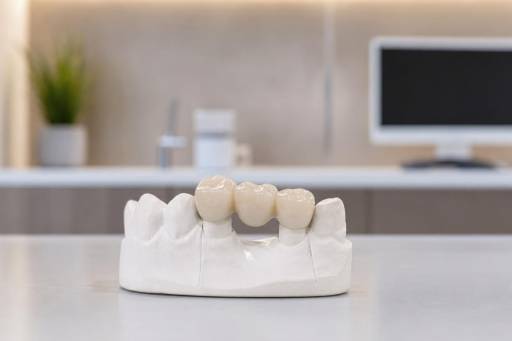
Quick Answer
The total cost of a dental crown is calculated by combining the costs of the crown material, laboratory fees, dentist's fees, and any additional preparatory treatments, with travel and accommodation expenses added for dental tourism patients. Understanding these components helps patients budget effectively and compare options.
- The cost of a dental crown includes material costs, lab fees, dentist fees, and any necessary preparatory procedures such as root canals or tooth build-up.
- Different crown materials like porcelain, ceramic, metal, or porcelain-fused-to-metal have varying price points based on durability and aesthetics.
- Laboratory fees depend on the complexity and quality standards of the crown fabrication process.
- Dentist fees vary by location, experience, and case complexity, covering tooth preparation, fitting, and follow-up visits.
- Dental tourism can lower treatment fees but adds travel, accommodation, and potential follow-up care costs, which should be factored into the total budget.
- Selecting a reputable clinic involves checking dentist credentials, clinic accreditation, patient reviews, and transparent pricing to ensure quality and safety.
- Planning a dental crown budget should include consultation fees, diagnostic imaging, anesthesia, preparatory work, and potential additional visits or adjustments.
How Is the Total Cost of a Dental Crown Calculated?
The total cost of a dental crown is determined by several key factors, including the type of material used, laboratory fees, dentist's fees, and any additional procedures needed before crown placement. Understanding these components helps you plan your treatment budget more effectively and compare options both locally and abroad, ensuring you make informed choices.
Dental crowns are designed to restore damaged or decayed teeth, improving both function and appearance. They protect weakened teeth, restore chewing ability, and enhance your smile. However, pricing can vary widely depending on geographic location, clinic reputation, and the materials chosen, making it important to consider these variables carefully.
For international patients considering dental tourism, travel and accommodation costs also influence the overall expense. Additional factors such as travel insurance, potential language barriers, and aftercare availability should be taken into account when budgeting.
Restore Damaged or Missing Teeth With Crowns and Bridges
Answer a few short questions and HealthNode will help you connect with the right restorative or cosmetic dentist.
Crown, Bridge, or Replacement Needs
This helps us understand whether a crown, bridge, implant, or another treatment may be more suitable.
Dental Health Check
A few details help the dentist understand whether any treatment is needed before placing a crown or bridge.
Contact information
Your information is only used to contact you and is never shared with third parties.
Your request has been received!
Thank you. If you have dental X-rays, panoramic X-ray, CBCT scan, root canal records, previous crown or bridge records, treatment plans, or dental photos, please keep them ready. A HealthNode consultant will guide you through the next step.
Knowing how each element contributes to the final price empowers you to make informed decisions and select a clinic that balances quality care with affordability. This guide will walk you through the primary cost factors and practical tips for budgeting your dental crown treatment, especially if you're planning care abroad, helping you achieve the best outcome within your financial means.
Detailed Breakdown of Dental Crown Pricing Components
The cost of a dental crown is not a single fixed fee but rather a combination of several components that together determine the final price. First, material costs vary depending on the type of crown you select. Options include porcelain, ceramic, metal, or porcelain-fused-to-metal crowns, each with different price points reflecting their durability, aesthetics, and suitability for your specific dental needs.
Laboratory fees cover the custom fabrication of your crown by skilled dental technicians. The complexity of the design, the precision required, and the quality standards maintained by the lab can all impact this cost. High-quality labs often use advanced technology to ensure a precise fit and natural appearance.
Dentist fees include the clinical time for tooth preparation, fitting, adjustments, and any necessary follow-up visits. These fees may fluctuate based on the clinic’s location, the dentist’s experience, and the complexity of the case.
Additional factors such as diagnostic imaging (X-rays or 3D scans), anesthesia during the procedure, and any preparatory treatments like root canals or tooth build-up also add to the overall cost. These are essential steps to ensure the crown fits well and functions properly.
Understanding this detailed breakdown helps you evaluate quotes accurately, recognize what you are paying for, and make informed decisions about your dental crown procedure. It also enables you to discuss options with your dentist and explore ways to optimize costs without compromising quality.
How Dental Tourism Can Affect Your Budget
Choosing dental tourism for your crown treatment can significantly influence your overall budget. While treatment fees abroad are often lower than in your home country, it is important to consider all associated travel-related expenses such as flights, accommodation, local transportation, and meals, which can add substantially to the total cost.
Some countries are known for offering high-quality dental care at a fraction of the cost found elsewhere, making them attractive options for budget-conscious patients. However, it is crucial to factor in the potential costs of follow-up visits, adjustments, or possible complications that might require additional care either abroad or back home. These additional visits can increase expenses and should be anticipated.
Comparing the total treatment costs inclusive of travel expenses with local prices can reveal meaningful savings or highlight when local treatment might be more economical. Moreover, consider the convenience and risks involved, such as the need for multiple trips or challenges in communication and aftercare.
Being aware of these financial and logistical elements allows you to plan a comprehensive budget that covers all aspects of your dental crown treatment journey without surprises, ensuring a smoother and more predictable experience.
Selecting the Right Dental Clinic for Value and Quality
Finding a dental clinic that offers excellent care at a reasonable price requires careful evaluation of several factors. Begin by researching the clinic’s reputation through patient testimonials and reviews, especially from international patients if you are considering dental tourism. These firsthand accounts can provide insights into the quality of care, customer service, and overall patient experience.
Verify that the clinic’s dentists are licensed and board-certified specialists in restorative dentistry or prosthodontics. This certification indicates they have undergone advanced training and adhere to professional standards. Additionally, accreditation from recognized dental or healthcare authorities signals that the clinic complies with strict quality and safety protocols.
Consider the clinic’s technology and materials used. Modern equipment such as digital impressions and CAD/CAM technology can improve precision and comfort. Infection control protocols should be transparent and rigorous to ensure patient safety.
Transparent pricing with detailed cost breakdowns is crucial to avoid hidden fees or unexpected charges. A trustworthy clinic will provide clear estimates outlining all components of the treatment cost.
By choosing a clinic that balances affordability with these quality indicators, you ensure that your investment in a dental crown results in effective, safe, and satisfactory treatment.
Planning Your Dental Crown Budget: Tips and Considerations
Effective financial planning for a dental crown procedure involves more than just the initial treatment cost. It is important to anticipate and set aside funds for potential additional expenses such as consultations, diagnostic imaging like X-rays or 3D scans, and any auxiliary treatments that may be necessary, such as root canals or tooth build-up before the crown can be placed. These preparatory steps can add to the overall cost but are essential for a successful outcome.
When considering payment options, explore what the dental clinic offers. Many clinics provide financing plans or allow installment payments, which can help spread out the financial burden over time and make the treatment more manageable. Some insurance plans may cover part of the crown cost, so verifying coverage beforehand can also be beneficial.
If you are traveling internationally for treatment, remember to budget for travel insurance and contingency funds to cover unforeseen events such as delays, complications, or additional care needed during your trip. This foresight can prevent unexpected financial stress.
Requesting detailed cost estimates from your dental provider and confirming exactly what is included, such as materials, lab fees, follow-up visits, and any potential extra procedures, helps avoid surprises later. By planning ahead and understanding the full scope of expenses, you empower yourself to manage your dental crown costs confidently and focus on receiving quality care without financial uncertainty.
Maximizing Value: What to Expect from Your Dental Crown Investment
A well-made dental crown can last many years, providing both functional and aesthetic benefits that justify the initial investment. Durable materials such as porcelain fused to metal or high-quality ceramics not only offer longevity but also closely mimic the natural appearance of your teeth, enhancing your smile and boosting confidence.
Proper care is essential to maximize the lifespan of your crown. This includes maintaining good oral hygiene through regular brushing and flossing, avoiding excessive biting on hard objects, and attending routine dental check-ups. These practices help protect your oral health, prevent complications such as decay around the crown margins, and reduce the likelihood of costly replacements or repairs.
Choosing a reputable dental clinic is equally important. Experienced dentists ensure precise fitting of the crown, which minimizes discomfort and reduces risks of complications like crown loosening or gum irritation. Clinics that use advanced technology and high-quality materials further contribute to a successful, long-lasting result.
Restore Damaged or Missing Teeth With Crowns and Bridges
Answer a few short questions and HealthNode will help you connect with the right restorative or cosmetic dentist.
Crown, Bridge, or Replacement Needs
This helps us understand whether a crown, bridge, implant, or another treatment may be more suitable.
Dental Health Check
A few details help the dentist understand whether any treatment is needed before placing a crown or bridge.
Contact information
Your information is only used to contact you and is never shared with third parties.
Your request has been received!
Thank you. If you have dental X-rays, panoramic X-ray, CBCT scan, root canal records, previous crown or bridge records, treatment plans, or dental photos, please keep them ready. A HealthNode consultant will guide you through the next step.
Understanding these long-term benefits helps you view your dental crown as an investment in your oral health and self-confidence rather than merely a cost. Prioritizing quality and durability in your treatment choices maximizes value and satisfaction with your outcome, making the procedure worthwhile both financially and personally.
Frequently Asked Questions
Q: What factors influence the total cost of a dental crown?
A: The total cost depends on crown material, laboratory fees, dentist's fees, and any preparatory treatments needed. Travel and accommodation add costs for dental tourism patients.
Q: Is dental tourism a cost-effective option for crowns?
A: Dental tourism can reduce treatment costs significantly, but you should include travel, lodging, and follow-up care expenses to evaluate overall savings accurately.
Q: How can I verify the quality of a dental clinic abroad?
A: Check for dentist credentials, clinic accreditation, patient reviews, and transparent pricing. Reputable clinics prioritize safety, technology, and clear communication.
Q: What additional costs should I budget for besides the crown itself?
A: Consider consultation fees, imaging, anesthetics, preparatory dental work, travel expenses if abroad, and potential follow-up visits or adjustments.
Q: How long do dental crowns typically last?
A: Dental crowns can last 5 to 15 years or longer with proper care. Choosing durable materials and a skilled dentist helps extend crown lifespan.
The information provided is for educational purposes only and does not constitute medical advice. Always consult with a healthcare professional for medical guidance specific to your situation.