Quick Answer
Typically, about 1 to 2 millimeters of natural tooth structure is removed before placing a dental crown, depending on the crown material and tooth condition.
- The amount of tooth removed ranges from about 1 to 2 millimeters to allow proper crown fit and function.
- Porcelain crowns require about 1.5 to 2 millimeters of tooth reduction due to their thickness and aesthetics.
- Metal crowns need the least tooth removal, usually around 1 millimeter or less, because of their strength at thinner dimensions.
- Zirconia crowns require about 1 to 1.5 millimeters of tooth reduction, balancing strength and appearance.
- Factors influencing tooth removal include the tooth's condition, location, aesthetic needs, and the dentist's clinical judgment.
- Local anesthesia is used during tooth preparation to minimize pain, and mild sensitivity after the procedure is normal and temporary.
- Dentists aim to preserve as much healthy tooth as possible while ensuring the crown fits securely and restores function.
How Much Natural Tooth Is Removed Before Placing a Crown?
The amount of natural tooth removed before placing a dental crown typically ranges from about 1 to 2 millimeters of tooth structure around the affected tooth. This reduction allows the crown to fit properly and restore the tooth’s function and appearance. The exact amount removed depends on the crown material and the tooth’s condition.
Preparing a tooth for a crown is a common dental procedure that involves reshaping the tooth’s surface to accommodate the crown. This step ensures the crown fits securely and restores strength to a damaged or weakened tooth. Understanding how much tooth is removed can help you feel more informed and comfortable with the process.
Different crown types require varying amounts of tooth reduction, and several factors influence how much natural tooth your dentist will remove. This article explains the typical preparation steps, the variations by crown material, and what to expect during and after tooth preparation.
Restore Damaged or Missing Teeth With Crowns and Bridges
Answer a few short questions and HealthNode will help you connect with the right restorative or cosmetic dentist.
Crown, Bridge, or Replacement Needs
This helps us understand whether a crown, bridge, implant, or another treatment may be more suitable.
Dental Health Check
A few details help the dentist understand whether any treatment is needed before placing a crown or bridge.
Contact information
Your information is only used to contact you and is never shared with third parties.
Your request has been received!
Thank you. If you have dental X-rays, panoramic X-ray, CBCT scan, root canal records, previous crown or bridge records, treatment plans, or dental photos, please keep them ready. A HealthNode consultant will guide you through the next step.
Step-by-Step Process of Preparing a Tooth for a Crown
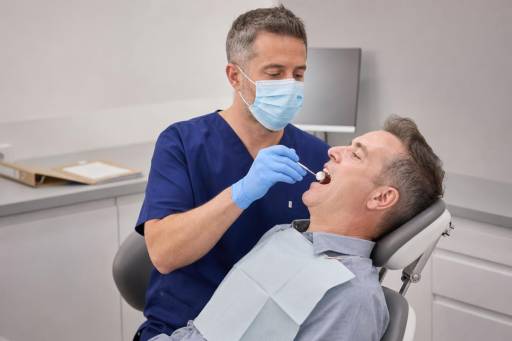
The preparation of a tooth for a dental crown involves several clinical steps that require precision to preserve as much healthy tooth as possible while allowing adequate space for the crown material. Initially, your dentist will numb the area with local anesthesia to ensure you feel minimal discomfort during the procedure.
Next, the dentist removes a layer of the tooth structure, usually about 1 to 2 millimeters from all surfaces of the tooth that will receive the crown. This includes trimming the top (occlusal surface) and the sides (axial surfaces) to create a uniform shape that the crown can fit over.
The amount removed is carefully measured to balance preserving tooth strength and providing enough room for the crown’s thickness. Your dentist also smooths the prepared tooth edges and may take impressions or digital scans to design a crown that fits precisely.
To protect the prepared tooth until the permanent crown is ready, a temporary crown is often placed. This process typically takes one or two dental visits depending on the technology used.
This tooth preparation process is essential to ensure the crown restores function, aesthetics, and protects the underlying tooth from further damage.
How Much Tooth Is Typically Removed for Different Types of Crowns
The amount of natural tooth structure removed varies with the type of dental crown you receive because different crown materials require different thicknesses for strength and aesthetics.
Porcelain crowns, known for their natural tooth-like appearance, usually require about 1.5 to 2 millimeters of tooth reduction. This thickness allows the porcelain to look lifelike while being durable enough for biting forces.
Metal crowns, often made from gold or other alloys, require the least tooth removal, typically around 1 millimeter or less. Metal crowns are strong even at thinner dimensions, so less natural tooth needs to be removed.
Zirconia crowns, which combine strength and attractive aesthetics, generally require about 1 to 1.5 millimeters of tooth reduction. Zirconia’s durability allows for a thinner crown than porcelain but more than metal.
The table below summarizes typical tooth reduction by crown type:
| Crown Material | Typical Tooth Reduction |
|---|---|
| Porcelain | 1.5 to 2 mm |
| Metal | Around 1 mm |
| Zirconia | 1 to 1.5 mm |
Your dentist will choose the crown type based on your tooth’s needs, aesthetics, and location in the mouth, influencing how much tooth is removed.
Factors That Influence the Extent of Tooth Removal
Several factors affect how much natural tooth structure your dentist will remove before placing a crown. One major consideration is the condition of the tooth itself. Teeth with extensive decay or previous large restorations may require more tooth removal to create a stable base for the crown.
The tooth’s location in your mouth also influences the amount removed. Front teeth often require more precise shaping for aesthetic reasons, which can affect the preparation technique and extent. Rear teeth, which endure higher biting forces, may require more substantial reduction to fit stronger crown materials.
Esthetic considerations also play a role. If you desire a natural-looking crown, the dentist may remove more enamel to accommodate a thicker porcelain layer that mimics natural translucency.
Lastly, your dentist’s clinical judgment based on your bite, tooth alignment, and overall oral health will guide the extent of tooth reduction. The goal is always to preserve as much healthy tooth as possible while ensuring the crown fits securely and functions well.
What to Expect During and After Tooth Preparation
During tooth preparation for a crown, you will receive local anesthesia to numb the area, so you should not feel pain while the dentist removes part of your tooth. You may experience pressure or vibrations from the dental drill, which is normal.
After the procedure, some temporary sensitivity or mild discomfort can occur as the surrounding gums and tooth adjust. This usually resolves within a few days. Your dentist may recommend avoiding very hot, cold, or hard foods during this initial period.
It's important to follow any post-procedure care instructions, such as maintaining good oral hygiene and avoiding sticky foods that could dislodge a temporary crown if one is placed. Keeping the temporary crown intact protects the prepared tooth and maintains proper spacing.
If sensitivity or pain persists beyond a week, contact your dentist for evaluation. Overall, recovery from tooth preparation is typically quick and manageable with proper care.
Common Concerns and Myths About Tooth Removal for Crowns
A frequent concern patients have is that removing natural tooth structure for a crown will severely damage the tooth or shorten its lifespan. While some tooth reduction is necessary, dentists aim to preserve as much healthy tooth as possible to maintain strength and vitality.
Another myth is that a crown procedure causes significant pain or sensitivity. With modern anesthesia and careful technique, discomfort during and after the procedure is usually minimal and temporary.
Some worry that crowns require excessive tooth removal compared to alternatives like fillings. However, crowns are recommended when the tooth is extensively damaged or weakened, and the protective coverage the crown provides can extend the tooth’s functional life.
Restore Damaged or Missing Teeth With Crowns and Bridges
Answer a few short questions and HealthNode will help you connect with the right restorative or cosmetic dentist.
Crown, Bridge, or Replacement Needs
This helps us understand whether a crown, bridge, implant, or another treatment may be more suitable.
Dental Health Check
A few details help the dentist understand whether any treatment is needed before placing a crown or bridge.
Contact information
Your information is only used to contact you and is never shared with third parties.
Your request has been received!
Thank you. If you have dental X-rays, panoramic X-ray, CBCT scan, root canal records, previous crown or bridge records, treatment plans, or dental photos, please keep them ready. A HealthNode consultant will guide you through the next step.
It’s also important to understand that once a tooth is prepared for a crown, it will always need a restoration. The process does not negatively impact the tooth’s long-term health if properly cared for.
Consulting with your dentist about these concerns can provide reassurance and help you make an informed decision about your dental care.
Frequently Asked Questions
Q: How much natural tooth is removed for a dental crown?
A: Typically, about 1 to 2 millimeters of tooth structure is removed to accommodate the dental crown. The exact amount depends on the crown material and the tooth’s condition.
Q: Does removing tooth structure for a crown harm the tooth?
A: Removing some tooth material is necessary but done carefully to preserve tooth strength. When properly restored with a crown, the tooth is protected and can function well long term.
Q: Is the tooth preparation process painful?
A: Local anesthesia is used to numb the area, so you should not feel pain during tooth preparation. Mild sensitivity or discomfort after the procedure is normal and temporary.
Q: Do different crown types require different amounts of tooth removal?
A: Yes. Metal crowns usually need less tooth removal, about 1 millimeter. Porcelain crowns require more, typically 1.5 to 2 millimeters, while zirconia crowns fall in between.
Q: How long does it take to recover after tooth preparation?
A: Recovery is generally quick, with minor sensitivity lasting a few days. Following your dentist’s care instructions helps ensure smooth healing and protection of the prepared tooth.
The information provided is for educational purposes only and does not constitute medical advice. Always consult with a healthcare professional for medical guidance specific to your situation.