Can a Cracked Tooth Still Be Saved with a Dental Crown?
Can a cracked tooth be saved with a dental crown? Learn how crowns restore strength, treatment steps, success factors, and care tips.
Learn how crowns restore damaged teeth and bridges replace one or more missing teeth.

Can a cracked tooth be saved with a dental crown? Learn how crowns restore strength, treatment steps, success factors, and care tips.

Onlays can be a suitable alternative to full dental crowns when tooth damage is moderate and preserving natural tooth structure is a priority. Learn key clinical factors.
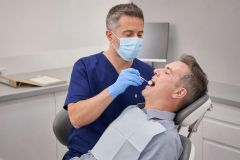
Dental crowns and bridges in Turkey offer UK patients cost-effective treatment with quality care and seamless follow-up in the UK. Learn how to plan and maintain care.
Get a free consultation and talk through symptoms, treatment options, and possible care paths with our coordination team.
Get Free Consultation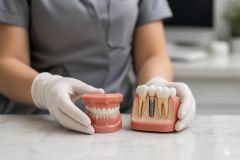
Dental crown vs bridge comparison helps patients choose the best restorative treatment by evaluating needs, durability, cost, and oral health impact.

Learn when dental crowns or bridges need evaluation to maintain oral health and avoid complications. Identify key signs and know when to see a dentist.

Discover how dental bridges replace missing teeth to restore function and aesthetics. Learn about the procedure, benefits, and costs.
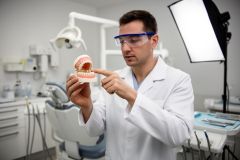
Discover dental crowns and bridges, their types, benefits, and why they are popular choices for tooth restoration in dental tourism.

Learn how dental bridge types are selected based on oral health, missing teeth location, and bone density to find your best fit.

Explore how dental crown materials are selected based on durability, appearance, and health factors to suit your restorative needs.

Explore which missing teeth can be replaced with dental bridges and learn about their suitability, benefits, and care for lasting results.
Dental crowns and bridges are fixed restorations used to restore damaged teeth, improve appearance, and replace missing teeth. A crown covers an individual tooth or implant, while a bridge uses artificial teeth to fill a gap.
Crowns may be recommended for teeth with large fillings, fractures, severe decay, extensive wear, discoloration, or previous root canal treatment. They may also be used to improve tooth shape or support a dental implant.
Traditional bridges are supported by crowns placed on neighboring teeth. Implant-supported bridges use dental implants and may avoid reducing healthy adjacent teeth.
Common materials include zirconia, porcelain, lithium disilicate, metal alloys, and porcelain fused to metal. Material selection depends on tooth position, bite pressure, aesthetic expectations, remaining tooth structure, and budget.
Treatment usually involves examination, X-rays, tooth preparation, digital scanning or impressions, a temporary restoration, and final placement. Some clinics use same-day computer-aided manufacturing, although not every case is suitable for immediate production.
The supporting teeth and gums must be healthy before permanent crowns or bridges are placed.