Quick Answer
Before preparing healthy teeth for a dental bridge, it is important to assess your oral health, improve hygiene practices, consult your dentist about the procedure, and adopt supportive lifestyle habits to ensure the success and durability of the bridge.
- A thorough oral health assessment is essential to confirm that gums and abutment teeth are healthy and stable enough to support a dental bridge.
- Improving oral hygiene by brushing, flossing, and using antiseptic mouthwash helps prepare teeth and gums for the bridge placement.
- Consulting your dentist allows you to understand the preparation steps, potential treatments, and care instructions for your dental bridge.
- Adopting healthy lifestyle habits such as a balanced diet, reducing sugar intake, quitting smoking, and staying hydrated supports gum and tooth health before the procedure.
- Common challenges like tooth decay, gum disease, or insufficient tooth structure must be addressed before bridge placement to avoid complications.
- Professional dental cleanings before the procedure remove tartar and reduce inflammation, promoting a healthier environment for the bridge.
- Maintaining good oral hygiene and regular dental visits after placement are crucial for the long-term success and comfort of the dental bridge.
What Should You Consider Before Preparing Healthy Teeth for a Dental Bridge?
Preparing healthy teeth for a dental bridge requires a thorough evaluation of your oral health and a commitment to maintaining excellent hygiene. This preparation ensures that your mouth is ready to support the bridge, promoting its longevity and your overall dental wellness. Without proper preparation, the success and durability of the bridge can be compromised, leading to potential discomfort or the need for additional dental work.
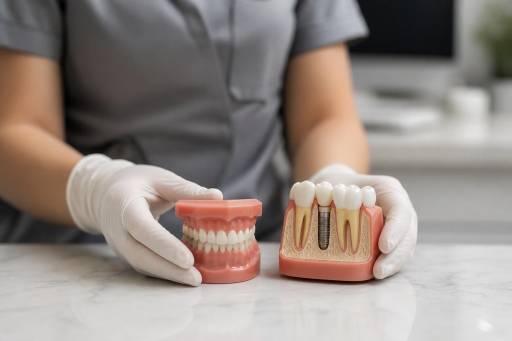
A dental bridge replaces missing teeth by anchoring to adjacent healthy teeth, called abutments. For this procedure to be successful, these supporting teeth and your gums must be strong and free from disease. Proper preparation involves assessing your current dental condition, improving oral hygiene habits, and discussing your treatment plan with your dentist to address any underlying issues.
Understanding these factors will help you approach the dental bridge procedure with confidence and reduce the risk of complications. Taking proactive steps before placement can make a significant difference in your dental bridge's fit, function, and durability. Patients should also be aware that maintaining good oral hygiene and regular dental visits after placement is essential to preserve the health of the supporting teeth and the bridge itself, ensuring long-term success and comfort.
Restore Damaged or Missing Teeth With Crowns and Bridges
Answer a few short questions and HealthNode will help you connect with the right restorative or cosmetic dentist.
Crown, Bridge, or Replacement Needs
This helps us understand whether a crown, bridge, implant, or another treatment may be more suitable.
Dental Health Check
A few details help the dentist understand whether any treatment is needed before placing a crown or bridge.
Contact information
Your information is only used to contact you and is never shared with third parties.
Your request has been received!
Thank you. If you have dental X-rays, panoramic X-ray, CBCT scan, root canal records, previous crown or bridge records, treatment plans, or dental photos, please keep them ready. A HealthNode consultant will guide you through the next step.
Assessing Your Oral Health for a Successful Dental Bridge
A comprehensive oral health assessment is essential before preparing for a dental bridge to ensure the procedure’s success and durability. Your dentist will carefully examine the condition of your gums and the teeth that will support the bridge to confirm they are healthy and stable enough to bear the additional load. Gum health is particularly important since periodontal disease can weaken the supporting structures and compromise the bridge's success.
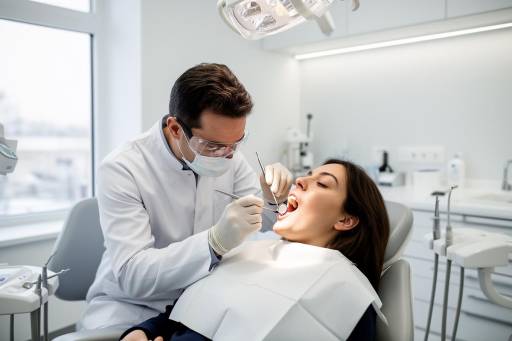
During the dental exam, your dentist will check for signs of tooth decay, gum inflammation, or bone loss around the abutment teeth. If any issues are identified, these will need to be treated before proceeding with the bridge placement. This might include deep cleaning to remove plaque and tartar below the gumline, filling cavities to restore tooth integrity, or other periodontal therapies to stabilize the gums and bone.
This evaluation helps establish a solid foundation for your dental bridge, reducing the likelihood of future complications such as bridge failure or gum disease progression. Being honest about your dental history, current habits, and any discomfort you experience during this assessment allows your dentist to tailor the treatment plan to your specific needs, ensuring a better outcome. Additionally, your dentist may take X-rays or other imaging to assess bone levels and tooth structure more precisely, which is critical for planning the bridge placement.
By thoroughly assessing your oral health beforehand, you and your dentist can work together to create a customized approach that maximizes the success and longevity of your dental bridge.
Steps to Improve Your Oral Hygiene Before Dental Bridge Placement
Improving your oral hygiene before getting a dental bridge is crucial to ensure that your teeth and gums are healthy enough to support the restoration effectively. Proper brushing techniques involve using a soft-bristled toothbrush along with fluoride toothpaste to gently clean all tooth surfaces at least twice daily. It is important to avoid aggressive brushing, which can cause gum irritation or recession, potentially compromising the abutment teeth.
Daily flossing is essential to remove plaque and food particles from between teeth and beneath the gumline, areas where a toothbrush cannot reach. This helps prevent gum inflammation and decay around the abutment teeth. For added effectiveness, special tools such as interdental brushes or water flossers can be particularly helpful, especially around the teeth that will support the bridge, as these areas may be more prone to plaque buildup.
Rinsing with an antiseptic mouthwash can further reduce harmful bacteria and promote gum health, creating an optimal environment for healing and restoration. Maintaining a consistent oral hygiene routine not only prepares your mouth for the dental bridge but also supports long-term oral health.
In addition to home care, scheduling professional dental cleanings before your procedure is important. These cleanings remove tartar buildup that cannot be eliminated by brushing and flossing alone, reducing inflammation and ensuring your gums are as healthy as possible. By committing to these steps, you increase the chances of a successful dental bridge placement and reduce the risk of complications such as infection or bridge failure.
Consulting Your Dentist: Questions to Ask About Preparing for a Dental Bridge
Open communication with your dentist before the dental bridge procedure is essential for a smooth experience and optimal results. During your consultation, it is important to ask detailed questions about the specific steps involved in preparing your teeth, including any treatments required to address existing issues such as tooth decay or gum disease. Understanding these steps will help you mentally and physically prepare for the process.
Inquire about the condition of your abutment teeth and whether they are strong enough to support the bridge or if additional procedures like root canals, crowns, or reinforcements might be necessary. Knowing this information upfront allows you to anticipate the timeline and complexity of your treatment. Discussing the expected timeline for both preparation and placement helps you plan your schedule and manage expectations.
Clarify how to care for your bridge after placement, including recommended oral hygiene practices and any special tools you might need. Ask about signs or symptoms that could indicate a problem, such as discomfort, looseness, or gum inflammation, so you can seek timely care if needed. Additionally, discussing any lifestyle or dietary changes recommended before and after the procedure can help you maintain your oral health throughout treatment and enhance the longevity of your bridge.
By asking these questions, you empower yourself with knowledge, reduce anxiety, and foster a collaborative relationship with your dentist, which is key to achieving the best possible outcome.
Lifestyle Habits That Support Healthy Teeth Before a Dental Bridge
Adopting healthy lifestyle habits can significantly improve the condition of your teeth and gums before getting a dental bridge, setting a strong foundation for the procedure’s success. A balanced diet rich in essential vitamins and minerals, such as calcium, vitamin D, and phosphorus, supports gum tissue health and helps maintain strong, resilient teeth. These nutrients aid in the remineralization process, which is vital for preserving enamel strength and preventing decay.
Reducing sugar intake is particularly important because sugar feeds harmful bacteria in the mouth that produce acids leading to tooth decay. Minimizing sugary snacks and drinks lowers the risk of cavities, which is critical for the longevity and stability of the dental bridge. Additionally, smoking cessation is highly recommended as tobacco use impairs gum healing, reduces blood flow to oral tissues, and increases the risk of periodontal disease, all of which can compromise the success of the bridge.
Regular hydration helps maintain saliva flow, which naturally cleanses the mouth and neutralizes acids, protecting enamel and soft tissues. Limiting acidic beverages like sodas, citrus juices, and energy drinks is also beneficial because acids can erode enamel and irritate gums. By making these lifestyle changes, you create a healthier oral environment that not only supports the dental bridge but also contributes to your overall oral health in the long term. Patients should understand that these habits are ongoing commitments that will help preserve their dental work and prevent future complications.
Common Challenges in Preparing Teeth for a Dental Bridge and How to Overcome Them
Several common challenges can arise when preparing teeth for a dental bridge, and understanding these issues can help patients navigate the process more effectively. One frequent obstacle is untreated tooth decay, which weakens the abutment teeth that will anchor the bridge. If decay is present, it must be addressed with fillings or other restorative procedures to ensure these teeth can provide a stable foundation for the bridge.
Gum disease is another significant concern. Inflammation and infection of the gums can lead to bone loss around the teeth, jeopardizing the support needed for the bridge. Periodontal therapy, which may include deep cleaning (scaling and root planing), antibiotics, or other treatments, is necessary to reduce inflammation and stabilize the gums and underlying bone.
Sometimes, the abutment teeth may not have enough healthy tooth structure remaining to support the bridge adequately. In such cases, your dentist might recommend placing crowns or other reinforcements on these teeth before the bridge is fitted. This additional step helps distribute biting forces evenly and protects the underlying tooth.
Overcoming these challenges requires close collaboration with your dentist and a commitment to maintaining excellent oral hygiene. Following professional advice, attending all recommended appointments, and practicing diligent daily care can help ensure your mouth is well-prepared for a successful dental bridge placement. Being proactive about these issues reduces the risk of treatment delays and enhances the durability and comfort of your new restoration.
Frequently Asked Questions
Q: How can I tell if my teeth are healthy enough for a dental bridge?
Restore Damaged or Missing Teeth With Crowns and Bridges
Answer a few short questions and HealthNode will help you connect with the right restorative or cosmetic dentist.
Crown, Bridge, or Replacement Needs
This helps us understand whether a crown, bridge, implant, or another treatment may be more suitable.
Dental Health Check
A few details help the dentist understand whether any treatment is needed before placing a crown or bridge.
Contact information
Your information is only used to contact you and is never shared with third parties.
Your request has been received!
Thank you. If you have dental X-rays, panoramic X-ray, CBCT scan, root canal records, previous crown or bridge records, treatment plans, or dental photos, please keep them ready. A HealthNode consultant will guide you through the next step.
A: A thorough dental examination by a professional can assess your teeth and gums to determine if they are suitable for a dental bridge.
Q: What oral hygiene practices should I follow before getting a dental bridge?
A: Maintain excellent oral hygiene by brushing twice daily, flossing regularly, and using an antiseptic mouthwash to reduce plaque and bacteria.
Q: Are there lifestyle changes that can improve my chances of a successful dental bridge?
A: Yes, avoiding smoking, reducing sugar intake, and maintaining a balanced diet can support healthier teeth and gums.
Q: What are common problems that can delay dental bridge preparation?
A: Issues like tooth decay, gum disease, or insufficient tooth structure can complicate preparation and may require additional treatment.
Q: Should I avoid certain foods before my dental appointment?
A: It's advisable to avoid sticky, hard, or sugary foods prior to your appointment to protect your teeth and ensure optimal oral health.
Q: When should I see my dentist if I experience discomfort during preparation?
A: Contact your dentist promptly if you experience persistent pain, sensitivity, or discomfort during the preparation process.
The information provided is for educational purposes only and does not constitute medical advice. Always consult with a healthcare professional for medical guidance specific to your situation.