Quick Answer
Yes, professional dental cleanings are safe and recommended for individuals with porcelain veneers, using specialized techniques to protect the veneers while maintaining oral hygiene.
- Porcelain veneers can safely undergo professional dental cleanings with gentle, non-abrasive tools.
- Veneers do not prevent plaque buildup or gum disease, so regular cleanings are essential for oral health.
- Dental hygienists use specialized methods to avoid damaging veneers during cleanings.
- Informing your dental team about your veneers helps them tailor the cleaning approach appropriately.
- Daily oral hygiene with soft-bristled toothbrushes and non-abrasive toothpaste supports veneer maintenance.
- Avoid biting hard objects and limit staining foods to preserve veneer appearance.
- Seek professional advice if you notice damage, sensitivity, or gum issues around your veneers.
Can You Still Have Professional Dental Cleaning With Porcelain Veneers?
Yes, you can safely have professional dental cleanings if you have porcelain veneers. Dental professionals are trained to use specialized techniques and tools that protect your veneers while ensuring your oral hygiene remains excellent. Maintaining regular cleanings is crucial not only for the health of your natural teeth and gums but also for the longevity and appearance of your veneers. Regular professional care helps prevent complications that could compromise your smile.
Porcelain veneers are thin ceramic shells that are bonded to the front surfaces of your teeth to enhance their appearance by improving color, shape, and alignment. Though veneers are durable and stain-resistant, they do not prevent plaque buildup or gum disease. The natural tooth underneath and the surrounding gum tissue remain susceptible to these common oral health issues. Professional dental cleanings remove plaque and tartar that regular brushing and flossing cannot reach, helping prevent oral health problems that could affect both your veneers and natural teeth.
Understanding how veneers interact with cleaning procedures and what to expect during your dental appointments will help you care for your smile confidently. Knowing the importance of gentle cleaning methods and the role of your dental team in monitoring your veneers can alleviate concerns. Proper communication with your dental team and good daily oral hygiene habits are key to preserving both your veneers and overall dental health. Being proactive about care helps ensure your veneers continue to look natural and beautiful for years to come.
Find Out If Dental Veneers Are Right for Your Smile
Answer a few short questions and HealthNode will help you connect with the right cosmetic dentist or smile design specialist.
Your Teeth and Current Situation
This helps us understand whether veneers, bonding, crowns, whitening, or orthodontics may be more suitable.
Dental Health Check
A few details help the specialist understand whether any dental treatment may be needed before veneers.
Final Details
Share anything important so the specialist can better understand your expectations.
Contact information
Your information is only used to contact you and is never shared with third parties.
Your request has been received!
Thank you. If you have recent dental photos, dental X-rays, smile design plans, previous veneer or crown records, gum treatment notes, or orthodontic records, please keep them ready. A HealthNode consultant will guide you through the next step.
The Impact of Porcelain Veneers on Dental Cleanings
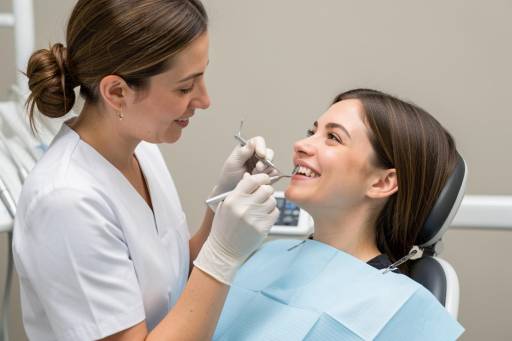
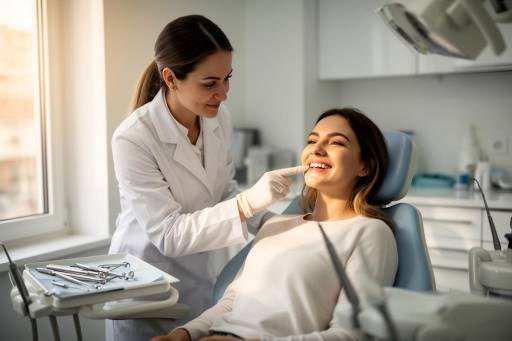
Porcelain veneers are designed to be durable and compatible with routine dental care, including professional cleanings. According to guidelines from the American Dental Association (ADA), dental hygienists use non-abrasive tools and gentle techniques to avoid scratching or damaging veneer surfaces, which can be more delicate than natural enamel. Ultrasonic scalers and hand instruments are carefully applied around veneers to remove plaque and tartar without compromising the bond or finish. Hygienists are trained to recognize veneer boundaries and work cautiously to protect them.
Unlike natural enamel, porcelain veneers do not decay because the ceramic material is not susceptible to cavities. However, the underlying tooth and surrounding gum tissue still require protection from decay and gum disease. Professional cleanings reduce the risk of gum inflammation and decay at veneer margins, which are areas vulnerable to plaque buildup due to the junction between the veneer and natural tooth. Proper cleaning also helps maintain the veneer’s aesthetic qualities by preventing stains from accumulating around the edges and preserving the smooth, glossy surface.
Your dental hygienist will tailor the cleaning approach based on your veneer material, the condition of your veneers, and your individual oral health needs. This customized care ensures that your veneers remain intact and your mouth stays healthy. While veneers do not require special cleaning procedures beyond standard care, extra caution during professional cleanings preserves their longevity and appearance. The hygienist may also provide guidance on at-home care to complement professional maintenance and keep your veneers looking their best.
Preparing for Your Dental Cleaning Appointment with Veneers
Before your dental cleaning, it is important to inform your dentist and hygienist that you have porcelain veneers. This allows them to plan the appointment with suitable instruments and techniques that ensure your veneers are cared for properly without risk of damage. Your dental team will be aware to use gentle cleaning methods and avoid abrasive tools that could scratch or dull the veneer surfaces.
You can expect the hygienist to examine your veneers closely for any signs of damage, such as chips, cracks, or looseness, as well as to assess the health of your gums around the veneers. This thorough evaluation helps identify any early issues that might require attention before they worsen.
During the cleaning, the hygienist will use polishing pastes that are safe for porcelain surfaces, avoiding abrasive polishing agents that could dull or scratch the veneers. The cleaning process may take a little longer than usual because of the extra care needed around the veneer edges and gum line to ensure thorough plaque and tartar removal without harming the veneers.
You can prepare for your appointment by maintaining good oral hygiene at home leading up to your visit. Brush gently but thoroughly with a soft-bristled toothbrush and floss daily to minimize plaque buildup. This preparation makes the professional cleaning more effective and comfortable. If you have any sensitivity, discomfort, or concerns about your veneers, mention these to your dental provider before the cleaning begins so they can adjust their approach accordingly and provide any necessary advice or treatment.
Best Practices for Maintaining Porcelain Veneers Between Dental Visits
Maintaining porcelain veneers requires a consistent daily oral hygiene routine to keep them looking their best and to protect your natural teeth and gums. Brush your teeth at least twice a day using a non-abrasive fluoride toothpaste and a soft-bristled toothbrush to avoid scratching the veneers’ surface. Gentle brushing helps remove plaque without damaging the delicate ceramic material.
Floss daily, carefully cleaning between your teeth and along the gum line to prevent plaque buildup and gum inflammation. Consider using interdental brushes or water flossers if recommended by your dentist, especially if you have tight spaces near your veneers. These tools can help maintain cleanliness in areas that are difficult to reach with regular floss.
Avoid biting or chewing on hard objects such as ice, pens, or fingernails, as excessive force can chip or damage the veneers. Additionally, if you participate in contact sports or activities with risk of dental injury, wearing a protective mouthguard is advisable to safeguard your veneers and natural teeth.
Limiting consumption of highly pigmented foods and beverages, like coffee, tea, red wine, and certain berries, helps maintain the veneers’ brightness, even though porcelain is stain-resistant. Smoking and tobacco use can also cause discoloration and should be avoided to preserve the appearance of your veneers.
Regularly visit your dentist for check-ups and professional cleanings to monitor the health of your veneers and surrounding tissues. If you grind or clench your teeth at night, discuss protective night guards with your dentist to prevent veneer damage caused by excessive pressure. Following these best practices will help ensure your veneers remain beautiful and functional for many years.
Common Concerns and Myths About Dental Cleanings with Veneers
One common misconception is that professional dental cleanings will damage or loosen porcelain veneers. In reality, when performed by trained dental professionals using appropriate tools and techniques, cleanings are safe and do not harm veneers. The careful use of non-abrasive instruments and gentle cleaning methods protects the veneers’ surface and ensures their integrity. Hygienists are specifically trained to handle veneers delicately, minimizing any risk of damage.
Another myth is that veneers eliminate the need for regular dental visits and cleanings. Porcelain veneers cover only the front surface of the tooth and do not protect against gum disease or cavities that can develop in other areas of the mouth. Skipping cleanings could lead to gum problems, tooth decay, and other oral health issues that affect your veneers and overall dental health. Regular professional care is essential to maintaining a healthy mouth and preserving your veneers.
Some patients worry that whitening treatments during cleanings will affect their veneers. Porcelain veneers do not respond to bleaching agents because they are made of ceramic materials. Therefore, whitening treatments are ineffective on veneers and will not change their color. Instead, regular dental cleanings help maintain their color by removing surface stains and plaque that can dull their appearance over time.
It is important not to rely on home remedies or aggressive brushing techniques to whiten veneers, as this can damage their surface and reduce their lifespan. Trust your dental team to recommend safe care practices tailored to your veneers and overall oral health. Proper professional care combined with gentle daily hygiene is the best way to keep your veneers looking natural and beautiful.
When to Seek Professional Advice About Veneers and Dental Cleanings
If you notice any damage to your porcelain veneers, such as chips, cracks, or looseness, it is important to contact your dentist promptly. Damage can sometimes occur from accidental trauma, such as a fall or biting down on a hard object, or from habits like teeth grinding (bruxism) which can place excessive stress on the veneers. Early intervention can prevent further issues, such as worsening cracks or detachment, which could compromise both the veneer and the underlying tooth structure. Your dentist can assess the damage and recommend appropriate repairs or adjustments to restore function and aesthetics.
Persistent gum sensitivity, bleeding, or inflammation around your veneers after a cleaning may indicate gum disease or irritation that requires professional evaluation. These symptoms should not be ignored, as untreated gum problems can lead to more serious conditions affecting both your veneers and natural teeth. Additionally, if you experience changes in your bite, discomfort during chewing, or any unusual sensations around your veneers, these can be signs of underlying issues needing dental attention. Such symptoms may arise from veneer misalignment, loosening, or gum recession.
Regular dental check-ups are essential because they allow your dentist to monitor the condition of your veneers and overall oral health comprehensively. During these visits, your dental provider can detect early signs of problems, provide maintenance care, and advise you on any necessary lifestyle or hygiene adjustments. If you experience unusual symptoms or have concerns about cleaning procedures, veneer appearance, or oral comfort, do not hesitate to discuss them with your dental provider. Open communication helps tailor your care plan to your specific needs.
Professional guidance ensures that your veneers remain functional and aesthetically pleasing while protecting the health of your natural teeth and gums. Promptly seeking advice when issues arise can extend the lifespan of your veneers and prevent more invasive treatments in the future.
Find Out If Dental Veneers Are Right for Your Smile
Answer a few short questions and HealthNode will help you connect with the right cosmetic dentist or smile design specialist.
Your Teeth and Current Situation
This helps us understand whether veneers, bonding, crowns, whitening, or orthodontics may be more suitable.
Dental Health Check
A few details help the specialist understand whether any dental treatment may be needed before veneers.
Final Details
Share anything important so the specialist can better understand your expectations.
Contact information
Your information is only used to contact you and is never shared with third parties.
Your request has been received!
Thank you. If you have recent dental photos, dental X-rays, smile design plans, previous veneer or crown records, gum treatment notes, or orthodontic records, please keep them ready. A HealthNode consultant will guide you through the next step.
Frequently Asked Questions
Q: Can I get my teeth professionally cleaned if I have porcelain veneers?
A: Yes, professional dental cleanings are safe and recommended for individuals with porcelain veneers to maintain oral health.
Q: Will cleaning damage my porcelain veneers?
A: No, routine cleanings do not damage porcelain veneers when performed by a dental professional using appropriate techniques.
Q: How often should I have dental cleanings with veneers?
A: Most patients should have professional cleanings every six months, but your dentist may recommend a personalized schedule.
Q: Are special cleaning products needed for veneers?
A: Standard dental hygiene products are generally safe; your dentist can recommend specific tools or toothpaste if needed.
Q: Can I whiten my teeth with veneers during cleaning appointments?
A: Teeth whitening is usually not effective on porcelain veneers, but cleaning can help maintain their appearance.
The information provided is for educational purposes only and does not constitute medical advice. Always consult with a healthcare professional for medical guidance specific to your situation.