Quick Answer
If a temporary crown falls off before your next appointment, avoid chewing on that side, keep the area clean, store the crown safely, and contact your dentist promptly for evaluation and reattachment or replacement.
- Temporary crowns protect the prepared tooth but are cemented with weaker adhesives, making them prone to falling off.
- Avoid chewing on the affected side and eat soft foods to prevent damage and discomfort.
- Maintain oral hygiene by gently brushing and rinsing with warm salt water; avoid alcohol-based mouthwashes.
- If you have the crown, clean it gently and store it in a clean, dry container until your dental visit.
- Do not use household glues or force the crown back on if it does not fit comfortably.
- Contact your dentist promptly, especially if you experience pain, swelling, or sensitivity, to prevent infection or further damage.
- Your dentist will assess the tooth and crown to decide whether to reattach the original crown or create a new temporary crown.
What Should You Do if a Temporary Crown Falls Off Before Your Next Appointment?
If your temporary dental crown falls off before your next scheduled dental appointment, it’s important to respond promptly and carefully to protect the exposed tooth and prevent further complications. Temporary crowns are designed to shield your prepared tooth from sensitivity, damage, and infection while you await the placement of a permanent crown. Losing this protection can leave your tooth vulnerable, so taking the right steps immediately is essential.
When a temporary crown falls off, avoid chewing on the affected side to reduce the risk of damaging the exposed tooth surface or causing discomfort. Keep the area clean by gently rinsing with water or warm salt water, and if you still have the crown, store it safely in a clean, dry container. These actions help maintain oral hygiene and preserve the crown for potential reattachment.
While it’s relatively common for temporary crowns to loosen or fall off due to their weaker adhesive and temporary nature, not all cases require urgent emergency care. Recognizing warning signs such as pain, swelling, bleeding, or persistent sensitivity can help you determine when to seek faster dental attention. Prompt evaluation and treatment can prevent infection and further damage.
Restore Damaged or Missing Teeth With Crowns and Bridges
Answer a few short questions and HealthNode will help you connect with the right restorative or cosmetic dentist.
Crown, Bridge, or Replacement Needs
This helps us understand whether a crown, bridge, implant, or another treatment may be more suitable.
Dental Health Check
A few details help the dentist understand whether any treatment is needed before placing a crown or bridge.
Contact information
Your information is only used to contact you and is never shared with third parties.
Your request has been received!
Thank you. If you have dental X-rays, panoramic X-ray, CBCT scan, root canal records, previous crown or bridge records, treatment plans, or dental photos, please keep them ready. A HealthNode consultant will guide you through the next step.
This guide provides practical advice on immediate care steps, safe handling and storage of your temporary crown, common reasons why crowns fall off, and what you can expect when visiting your dentist for restoration. Understanding these aspects will help you manage the situation effectively and maintain your oral health and comfort until professional care is available.
Immediate Steps to Protect Your Tooth and Smile
When your temporary crown falls off, your immediate priority should be to protect the exposed tooth and surrounding gum tissue from damage and infection. Avoid chewing or biting on the side of your mouth where the crown came off, as this can cause pain and potentially damage the sensitive tooth surface or surrounding tissues. Opt for soft foods that are easy to chew and avoid very hot, cold, sticky, or hard foods that could irritate the area or dislodge the crown further.
Maintaining good oral hygiene is essential during this time. Gently brush the affected area with a soft-bristled toothbrush to remove food debris, being careful not to disturb the exposed tooth too aggressively. Rinse your mouth with warm salt water several times a day to soothe the gums and reduce the risk of infection. Avoid using alcohol-based mouthwashes, which can cause irritation.
If you still have the temporary crown, you may consider using a small amount of over-the-counter dental cement or temporary dental adhesive, which is often available at pharmacies, to carefully place the crown back over the tooth as a short-term solution. However, do not force the crown onto the tooth if it does not fit comfortably, as improper placement can cause damage or discomfort.
If dental cement is not available, keep the crown safe and dry in a clean container until you can see your dentist. Avoid using household glues or adhesives, as these are not safe for oral use and can cause harm.
Taking these immediate steps helps protect your tooth, reduces discomfort, and minimizes the risk of infection while you wait for professional dental care.
Why a Temporary Crown Falling Off Is a Common Issue and When to Worry
Temporary crowns are intentionally designed as short-term solutions to protect a prepared tooth while a permanent crown is being made. Because of this, they are often cemented with weaker adhesives compared to permanent crowns, which allows them to be removed more easily when needed. This weaker bonding means temporary crowns can loosen or fall off more frequently, especially if you eat sticky, chewy, or hard foods that place extra stress on the crown.
Other common reasons for a temporary crown coming off include accidental trauma to the tooth or crown, such as biting down too hard on a hard object or experiencing a blow to the mouth. Additionally, if decay develops underneath the temporary crown or if the tooth changes shape due to gum swelling or tooth movement, the crown’s fit may be compromised, causing it to loosen.
Saliva composition and flow can also influence how well the temporary crown adheres. For example, excessive saliva or certain oral conditions may reduce the effectiveness of the temporary cement.
While losing a temporary crown is a common issue, it’s important to monitor your symptoms closely. Seek prompt dental care if you experience pain, swelling, or bleeding around the affected tooth, as these may be signs of infection or damage requiring urgent treatment. Persistent sensitivity to temperature or difficulty chewing on the affected side also warrants a timely dental evaluation to prevent further complications.
How to Safely Handle and Store Your Crown Until Your Dentist Visit
If your temporary crown falls out, it’s important to handle it with care to avoid further damage or loss. Gently pick up the crown without applying too much pressure, as these crowns are often made from materials that can chip or crack easily. Rinse the crown briefly with lukewarm water to remove any debris or food particles, but avoid scrubbing it or soaking it in any harsh chemicals or mouthwash, as these can weaken the material or alter its fit.
Once cleaned, store the crown in a clean, dry container to keep it safe until you can see your dentist. Suitable containers include a small plastic box or a clean zip-lock bag. Avoid wrapping the crown in tissue or paper towels, as it can stick to the material or become lost if dropped. Keeping the crown in a secure place reduces the risk of misplacement and increases the likelihood that your dentist can reattach it rather than needing to fabricate a new temporary crown.
When you visit your dental office, bring the crown with you along with any relevant information about how and when it came off, and whether you are experiencing any pain, sensitivity, or discomfort. This information helps your dentist assess the situation more effectively and decide on the best course of action. Proper handling and storage not only protect your temporary crown but also contribute to a smoother and more efficient dental appointment.
Scheduling an Emergency Dental Appointment and What to Expect
If you notice that your temporary crown has fallen off, it’s important to contact your dentist as soon as possible to report the situation. When you call, provide clear and detailed information, including when the crown fell off, whether you still have the crown, and if you are experiencing any pain, sensitivity, or other symptoms. This information helps the dental office prioritize your appointment appropriately.
Most dental practices recognize the urgency of crown-related emergencies and will try to accommodate you quickly to prevent further tooth damage or infection. Depending on the severity of your symptoms and the condition of the tooth, your dentist may schedule an emergency visit or provide instructions for temporary care until your next regular appointment.
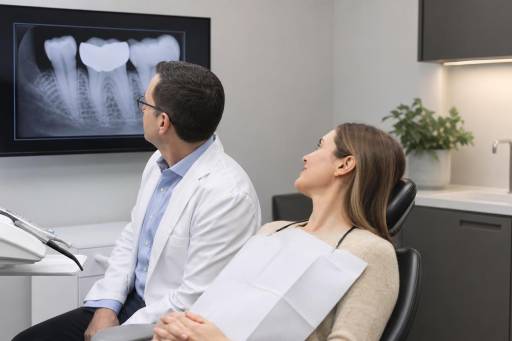
During your dental visit, the dentist will thoroughly examine the tooth and the crown, assessing whether the temporary crown can be cleaned and re-cemented or if a new temporary or permanent crown is necessary. They will also evaluate the tooth for any signs of damage, decay, or infection. If needed, dental x-rays may be taken to get a clearer picture of the tooth’s condition beneath the surface.
The primary goal of your emergency appointment is to restore protection and function to the tooth as quickly and safely as possible, minimizing discomfort and preventing further complications.
Restoring Your Dental Crown: Options and Next Steps
After your dentist examines the dislodged temporary crown and the underlying tooth, there are several treatment options depending on the condition of both. If the temporary crown remains intact and the tooth underneath is healthy without signs of damage or decay, your dentist may opt to clean the crown and the tooth surface carefully before reattaching it using dental cement. This approach can save time and cost, providing immediate protection for the tooth while you await your permanent crown.
However, if the temporary crown is cracked, chipped, or lost, or if the tooth has changed shape due to damage, decay, or gum inflammation, your dentist will likely need to create a new temporary crown. This process involves taking impressions or scans of your tooth to ensure the new temporary fits properly and comfortably.
Eventually, once the tooth has healed fully and any necessary treatments are complete, your permanent crown will be fabricated and placed. This permanent restoration is designed to be durable and long-lasting, providing full protection and function.
It’s important to discuss any questions or concerns you have with your dentist regarding the materials used for your crowns, the expected timeline for treatment, and what you can expect during the restoration process. Understanding these details helps set realistic expectations and encourages you to follow your dentist’s instructions carefully, which is essential for achieving the best possible outcome for your dental health and comfort.
Frequently Asked Questions
Q: Can I reattach the temporary crown myself?
Restore Damaged or Missing Teeth With Crowns and Bridges
Answer a few short questions and HealthNode will help you connect with the right restorative or cosmetic dentist.
Crown, Bridge, or Replacement Needs
This helps us understand whether a crown, bridge, implant, or another treatment may be more suitable.
Dental Health Check
A few details help the dentist understand whether any treatment is needed before placing a crown or bridge.
Contact information
Your information is only used to contact you and is never shared with third parties.
Your request has been received!
Thank you. If you have dental X-rays, panoramic X-ray, CBCT scan, root canal records, previous crown or bridge records, treatment plans, or dental photos, please keep them ready. A HealthNode consultant will guide you through the next step.
A: It is not recommended to try reattaching a temporary crown yourself, as improper placement can cause further damage or discomfort. Seek professional dental care for proper reattachment.
Q: What should I do if I swallow or inhale the crown?
A: If you suspect you swallowed or inhaled the crown, seek medical attention immediately to ensure it has not caused any internal issues.
Q: Is it safe to eat or drink with a missing temporary crown?
A: It is best to avoid sticky or hard foods and hot or cold drinks until your dentist reattaches or replaces the crown to prevent damage or sensitivity.
Q: How long can I go without my temporary crown before it causes problems?
A: Temporary crowns are meant for short-term protection; prolonged absence can lead to sensitivity, decay, or misalignment. Schedule a dental appointment promptly.
Q: Will I need a new crown or can my old one be reattached?
A: Depending on the condition of your original crown and the reason it fell off, your dentist may reattach it or suggest a new crown.
Q: What are the risks of leaving a missing temporary crown untreated?
A: Risks include increased sensitivity, decay, gum irritation, and potential damage to the underlying tooth.
The information provided is for educational purposes only and does not constitute medical advice. Always consult with a healthcare professional for medical guidance specific to your situation.