Quick Answer
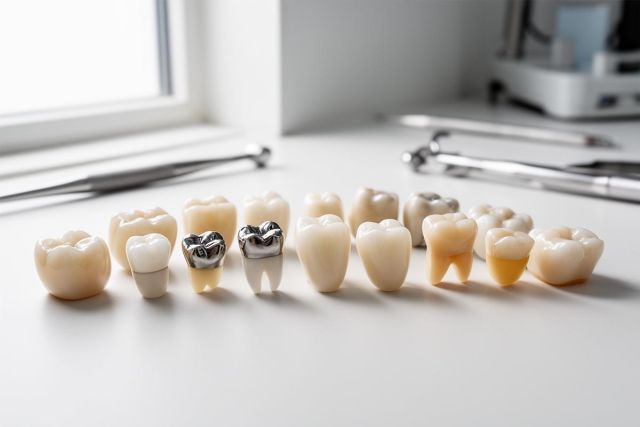
Dental crowns are protective caps made from materials like porcelain, metal, ceramic, or composite resin, each offering different benefits in terms of durability, appearance, and suitability for various dental needs.
- Dental crowns restore the shape, strength, and function of damaged or weakened teeth.
- Porcelain crowns offer a natural appearance but may be less durable and prone to chipping.
- Metal crowns provide exceptional strength and durability but have poor aesthetics due to their metallic color.
- Ceramic crowns, including zirconia, balance strength and natural appearance but can be more expensive.
- Composite crowns are affordable and tooth-colored but wear faster and stain more easily.
- Choosing the right crown depends on tooth location, bite force, aesthetics, budget, and personal preferences.
- Proper oral hygiene and regular dental check-ups are essential to prolong the life of dental crowns.
What Types of Dental Crowns Are Available?
Dental crowns are protective caps custom-designed to fit over damaged or weakened teeth, restoring their original shape, strength, and function. They are essential in dentistry for protecting teeth compromised by decay, fracture, or procedures like root canal therapy.
These crowns can be made from various materials such as porcelain, metal, ceramic, or composite resin, each offering unique benefits based on the patient's dental needs and aesthetic preferences. Choosing the right type of crown affects its durability, appearance, and comfort.
Understanding the different types of dental crowns helps patients make informed decisions about their oral health care. This is especially important for those seeking treatment locally or abroad, as options and materials may differ by region, allowing for tailored solutions that fit individual health conditions, lifestyles, and budgets.
Restore Damaged or Missing Teeth With Crowns and Bridges
Answer a few short questions and HealthNode will help you connect with the right restorative or cosmetic dentist.
Crown, Bridge, or Replacement Needs
This helps us understand whether a crown, bridge, implant, or another treatment may be more suitable.
Dental Health Check
A few details help the dentist understand whether any treatment is needed before placing a crown or bridge.
Contact information
Your information is only used to contact you and is never shared with third parties.
Your request has been received!
Thank you. If you have dental X-rays, panoramic X-ray, CBCT scan, root canal records, previous crown or bridge records, treatment plans, or dental photos, please keep them ready. A HealthNode consultant will guide you through the next step.
Dental Crowns: Comprehensive Guide to Benefits and Material Choices
Dental crowns are custom-made caps that cover the entire visible surface of a tooth. They serve several important functions in dental care, primarily protecting weakened or damaged teeth from further deterioration and restoring their strength and functionality.
Crowns are commonly recommended for teeth that are cracked, extensively decayed, or have undergone root canal therapy. In these cases, the natural tooth structure is compromised and vulnerable. Beyond protection, crowns restore chewing function, allowing patients to eat comfortably and maintain proper nutrition.
In addition to their protective and functional roles, crowns significantly improve the appearance of teeth. They help restore the natural shape, size, and color of a tooth, enhancing smile aesthetics. Crowns also help prevent tooth loss by reinforcing fragile teeth and protecting existing dental restorations such as large fillings or implants.
Crowns also contribute to maintaining proper bite alignment, which is essential for overall oral health and preventing jaw discomfort. They are available in various materials including porcelain, metal, ceramic, and composite resins. This variety allows treatment to be tailored to individual needs, balancing factors such as strength, appearance, and cost.
For example, porcelain crowns are often chosen for their natural appearance, especially on front teeth, while metal crowns may be preferred for their durability on molars. Understanding these options helps patients make informed decisions in collaboration with their dentist, ensuring the chosen crown meets their functional and aesthetic goals while fitting their budget and lifestyle.
Types of Dental Crowns: Material and Design Options
Dental crowns are made from various materials, each with unique properties affecting durability, appearance, and suitability for different dental needs.
Porcelain crowns are popular for their natural look and translucency, closely mimicking real teeth. They are ideal for front teeth where aesthetics are important but may be less durable under heavy biting forces and prone to chipping.
Metal crowns, often crafted from gold or metal alloys, offer exceptional strength and wear resistance. They are commonly used on molars or back teeth where chewing forces are greatest, providing long-lasting restorations. However, their metallic color makes them less suitable for visible areas.
Ceramic crowns, including zirconia-based types, balance strength and aesthetics well. Zirconia crowns are highly durable and resistant to wear, suitable for both front and back teeth, with a natural tooth-like color. They tend to be more expensive than other options.
Composite crowns, made from tooth-colored resin, are generally more affordable and offer a decent aesthetic match. However, they wear down faster and are more prone to staining, which may require more frequent replacements.
When choosing a crown type, patients should weigh the advantages and disadvantages of each material based on their dental needs, aesthetic goals, and budget. Consulting a dental professional helps determine the best option considering tooth location, bite force, and personal preferences.
Below is a summary table outlining the key features of each crown type:
| Crown Type | Advantages | Disadvantages |
|---|---|---|
| Porcelain | Natural appearance, good color match | Less durable, can chip |
| Metal | Very strong, long-lasting | Poor esthetics, metallic color |
| Ceramic (Zirconia) | Strong and natural look | Can be more expensive |
| Composite | Affordable, tooth-colored | Wear faster, prone to staining |
Choosing the Right Dental Crown for Your Needs
Choosing the right dental crown involves evaluating several important factors to ensure the best outcome for both function and aesthetics. One of the primary considerations is the location of the tooth that requires the crown. Front teeth, which are more visible when smiling or speaking, typically require crowns that closely match the natural color and translucency of surrounding teeth. Porcelain or ceramic crowns are often preferred in these cases because they provide a lifelike appearance.
In contrast, back teeth such as molars endure much greater chewing forces, so durability becomes a priority. Materials like metal or zirconia crowns are commonly recommended for these teeth due to their superior strength and resistance to wear. Additionally, your dentist will assess your bite force and how the crown material interacts with your bite to prevent discomfort or damage.
Other factors influencing crown selection include any allergies or sensitivities to metals, the condition of the tooth being restored, and your personal budget. While some materials may offer superior aesthetics or longevity, they can also be more costly. Consulting with a dental professional is essential to navigate these choices effectively.
Your dentist will consider your oral hygiene habits, long-term dental health goals, and lifestyle factors to recommend a crown type that balances strength, appearance, and affordability. This personalized approach helps ensure that the crown not only meets your immediate dental needs but also supports your oral health over time.
Durability and Maintenance of Dental Crowns
The durability and longevity of dental crowns depend on several factors, including the type of material used and the patient’s oral hygiene practices. Generally, dental crowns can last between 10 and 15 years, but with proper care, some crowns may remain functional for even longer periods.
Maintaining excellent oral hygiene is critical to prolonging the life of a crown. This includes brushing your teeth at least twice daily with fluoride toothpaste and flossing daily to remove plaque and food debris around the crown margins, where decay is most likely to develop. Avoiding habits that can damage crowns is equally important; for example, refraining from chewing on hard objects such as ice, pens, or hard candies can prevent cracking or chipping. Sticky foods should also be consumed cautiously, as they can dislodge crowns or weaken the bonding cement.
Regular dental check-ups are essential for monitoring the condition of your crowns and the surrounding teeth and gums. During these visits, your dentist can identify early signs of wear, decay, or gum disease and address minor issues before they lead to crown failure.
It is worth noting that some crown materials, such as composite resin, may wear down or stain more quickly than others, necessitating more frequent replacement or maintenance. Patients should discuss with their dentist the specific care recommendations for their crown type to maximize durability and maintain oral health.
By following tailored care instructions and attending routine dental appointments, patients can enjoy the benefits of their dental crowns for many years.
Innovations and Future Trends in Dental Crown Technology
Recent advancements in dental crown technology have significantly focused on enhancing both the aesthetic appeal and the functional durability of crowns. One of the most notable developments is the introduction of high-translucency zirconia, a material that combines exceptional strength with a natural tooth-like appearance. This innovation allows crowns to withstand chewing forces while blending seamlessly with surrounding teeth, greatly improving patient satisfaction.
Digital dentistry techniques, such as computer-aided design and computer-aided manufacturing (CAD/CAM), have revolutionized crown fabrication. These technologies enable dentists to create highly precise crowns tailored to an individual's tooth anatomy, often completing the entire process in a single dental visit. This advancement enhances the fit and comfort of crowns while reducing treatment time and patient inconvenience.
Restore Damaged or Missing Teeth With Crowns and Bridges
Answer a few short questions and HealthNode will help you connect with the right restorative or cosmetic dentist.
Crown, Bridge, or Replacement Needs
This helps us understand whether a crown, bridge, implant, or another treatment may be more suitable.
Dental Health Check
A few details help the dentist understand whether any treatment is needed before placing a crown or bridge.
Contact information
Your information is only used to contact you and is never shared with third parties.
Your request has been received!
Thank you. If you have dental X-rays, panoramic X-ray, CBCT scan, root canal records, previous crown or bridge records, treatment plans, or dental photos, please keep them ready. A HealthNode consultant will guide you through the next step.
Beyond materials and fabrication, ongoing research into bioactive dental materials shows promise. These materials can release minerals that help strengthen the tooth structure around the crown, promoting remineralization and reducing the risk of decay at crown margins. As these innovations continue to develop, they expand the options available to dental professionals and patients, making dental crown treatments more efficient, durable, and visually pleasing.
It is important for patients to discuss with their dentist the latest technologies and how they might benefit their specific dental needs, including considerations of cost, longevity, and cosmetic outcomes.
Frequently Asked Questions
Q: Are dental crowns a permanent solution?
A: Dental crowns are designed to be durable and long-lasting, often lasting 10-15 years with proper care, but they are not considered permanent and may require replacement over time.
Q: What is the best type of dental crown for aesthetic purposes?
A: Porcelain and ceramic crowns are generally preferred for their natural appearance and ability to match the color of surrounding teeth.
Q: How much do different types of dental crowns cost?
A: Costs vary depending on the material, location, and dental provider, but porcelain crowns tend to be more expensive than metal crowns. It's best to consult with your dentist for an accurate estimate.
Q: Can dental crowns be used on front teeth?
A: Yes, porcelain and ceramic crowns are commonly used on front teeth due to their superior aesthetic qualities.
Q: Are dental crowns suitable for everyone?
A: Most patients are suitable candidates, but individuals with certain health conditions or extensive decay should consult their dentist to determine the best treatment option.
The information provided is for educational purposes only and does not constitute medical advice. Always consult with a healthcare professional for medical guidance specific to your situation.