Quick Answer
Onlays are an alternative to full dental crowns when tooth damage is moderate and enough healthy tooth structure remains to support the restoration. They preserve more natural tooth tissue by covering only the damaged portion rather than the entire tooth.
- Onlays are suitable for moderate tooth damage involving one or more cusps with intact overall tooth structure.
- Full crowns are recommended for extensive decay, large fractures, or after root canal treatment when tooth integrity is compromised.
- Onlays preserve more natural tooth enamel and dentin compared to crowns, helping maintain tooth strength and reduce sensitivity.
- The choice between onlay and crown depends on factors like damage extent, tooth location, bite forces, and aesthetic considerations.
- Onlays are durable and can be made from tooth-colored materials, but crowns provide greater protection for heavily damaged teeth.
- Effective communication with a dentist is essential to evaluate clinical factors and choose the best restoration option.
- Onlays may sometimes be repaired if damaged, but significant damage usually requires replacement.
When Is an Onlay an Alternative to a Full Dental Crown?
An onlay can be an effective alternative to a full dental crown when the tooth damage is moderate rather than extensive. Onlays restore the damaged portion of the tooth while preserving more of the natural tooth structure compared to a full crown, which covers the entire tooth surface. This approach can be preferable when enough healthy tooth remains to support the restoration and maintain functionality.
Choosing between an onlay and a full crown depends on factors such as the extent and location of tooth decay or damage, the strength of the remaining tooth structure, and bite forces. Onlays are often recommended when damage involves one or more cusps but the tooth’s overall integrity is still good. This treatment can help maintain tooth vitality and reduce the need for more aggressive preparation.
Understanding when an onlay is appropriate helps you make informed decisions about your dental care. Discussing your specific situation with a qualified dentist will ensure that the chosen restoration meets both your functional needs and long-term dental health goals.
Restore Damaged or Missing Teeth With Crowns and Bridges
Answer a few short questions and HealthNode will help you connect with the right restorative or cosmetic dentist.
Crown, Bridge, or Replacement Needs
This helps us understand whether a crown, bridge, implant, or another treatment may be more suitable.
Dental Health Check
A few details help the dentist understand whether any treatment is needed before placing a crown or bridge.
Contact information
Your information is only used to contact you and is never shared with third parties.
Your request has been received!
Thank you. If you have dental X-rays, panoramic X-ray, CBCT scan, root canal records, previous crown or bridge records, treatment plans, or dental photos, please keep them ready. A HealthNode consultant will guide you through the next step.
Assessing Tooth Damage: Is an Onlay the Right Choice?
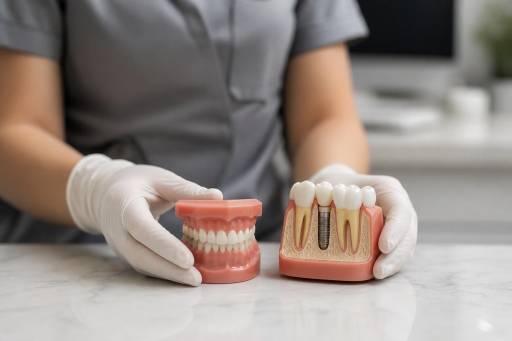
Onlays are typically considered when tooth damage is moderate, such as when one or more cusps are fractured or decayed but the rest of the tooth is intact. They are designed to fit onto the damaged area and restore the tooth’s shape and function without covering the entire tooth, unlike full crowns.
If the damage is limited to a small to moderate area, onlays preserve more of your natural tooth. Crowns are usually recommended when damage is more extensive, such as widespread decay, large fractures, or after root canal treatment where the tooth has lost significant structural integrity.
Your dentist will evaluate the size, depth, and location of the defect. Onlays can be suitable if the remaining tooth structure is strong enough to support the restoration and withstand chewing forces. In some cases, an onlay may be combined with other treatments like fillings to optimize repair.
Choosing an onlay over a crown can also depend on aesthetic considerations, especially for back teeth where function is prioritized. Your dental professional will guide you in selecting the best option based on clinical findings and your personal preferences.
Preserving Natural Tooth Structure with Onlays
One of the main advantages of onlays is their ability to conserve more of the natural tooth compared to full crowns. Since onlays cover only the damaged portions rather than the entire tooth, less tooth enamel and dentin need to be removed during preparation.
Preserving natural tooth structure is important for maintaining the tooth’s strength and reducing the risk of future complications such as fractures or sensitivity. The more of your own tooth that remains intact, the better it can respond to normal stresses from chewing and biting.
Onlays also help maintain the tooth’s natural contours and occlusion, which contributes to better oral function and comfort. This conservative approach aligns with modern dental principles that emphasize minimally invasive treatments to prolong tooth longevity.
If preserving your natural tooth is a priority, an onlay may be a more suitable choice than a full crown, provided the damage is not too extensive. Your dentist will assess whether the remaining tooth structure can support an onlay securely and provide lasting durability.
Clinical Factors to Consider When Choosing Between Onlay and Crown
Several clinical considerations influence whether an onlay or a crown is the best restoration for your tooth. The location of the tooth plays a role; molars that endure heavy chewing forces may require crowns for added protection, while premolars or less stressed teeth may be well suited for onlays.
The extent of decay or damage is critical. Extensive decay that compromises the tooth’s core or multiple cusps usually necessitates a crown. Onlays are generally reserved for cases where the damage is localized and the tooth’s integrity remains sound.
Bite dynamics and occlusion also matter. If your bite places high stress on a tooth, a crown may better distribute forces to prevent fractures. Your dentist will evaluate your bite patterns to ensure the restoration chosen can withstand daily function.
Your dental history, aesthetic goals, and any underlying conditions such as bruxism (teeth grinding) are also important factors during treatment planning. A thorough dental assessment is essential to tailor the restoration approach to your unique needs.
Benefits and Limitations of Using Onlays as an Alternative
Onlays offer several benefits compared to full crowns. They are more conservative, preserving more natural tooth tissue and reducing the chance of weakening the tooth. This can lead to better long-term tooth health and less sensitivity after treatment.
Onlays are also aesthetically pleasing when crafted from tooth-colored materials like porcelain or composite resin, helping them blend naturally with surrounding teeth. They can be fabricated in a dental lab with precise fit and durability.
However, onlays have limitations. They are not suitable for teeth with severe damage or insufficient remaining structure. Also, onlays may be more expensive or require longer treatment times in some cases due to the need for custom fabrication.
Choosing an onlay requires careful evaluation of your tooth’s condition and functional demands. While they are an excellent option for moderate damage, full crowns remain the standard for more extensive restoration needs.
Discussing Your Options with Your Dentist: Questions to Ask
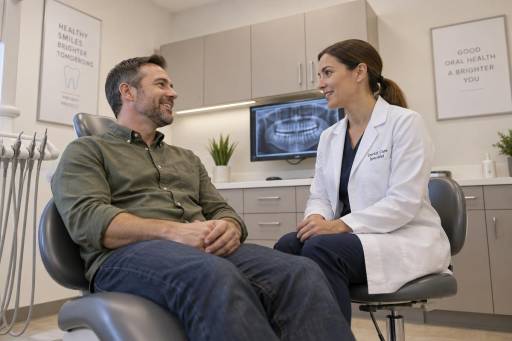
Effective communication with your dentist is key to deciding whether an onlay or a full crown is right for you. Start by asking about the extent of your tooth damage and why a particular restoration is recommended.
Inquire about the pros and cons of onlays versus crowns in your specific case, including how each option affects tooth preservation, durability, and aesthetics. Ask about the materials used and their expected lifespan.
You might also want to discuss treatment timelines, costs, and any potential risks or complications associated with each restoration. Understanding how each choice fits your lifestyle and oral health goals will help you feel confident in your decision.
Don’t hesitate to request visual aids or examples of previous cases your dentist has treated. A collaborative discussion ensures your treatment plan aligns with your expectations and clinical needs.
Restore Damaged or Missing Teeth With Crowns and Bridges
Answer a few short questions and HealthNode will help you connect with the right restorative or cosmetic dentist.
Crown, Bridge, or Replacement Needs
This helps us understand whether a crown, bridge, implant, or another treatment may be more suitable.
Dental Health Check
A few details help the dentist understand whether any treatment is needed before placing a crown or bridge.
Contact information
Your information is only used to contact you and is never shared with third parties.
Your request has been received!
Thank you. If you have dental X-rays, panoramic X-ray, CBCT scan, root canal records, previous crown or bridge records, treatment plans, or dental photos, please keep them ready. A HealthNode consultant will guide you through the next step.
Frequently Asked Questions
Q: What dental damage makes an onlay preferable to a crown?
A: An onlay is preferable when tooth damage is moderate, such as localized decay or fractures involving one or more cusps, but the overall tooth structure is still strong. Crowns are generally recommended for more extensive damage or after root canal treatment when the tooth is weakened.
Q: How do onlays help preserve natural tooth structure?
A: Onlays cover only the damaged parts of a tooth, allowing more of the natural enamel and dentin to remain intact. This conservative preparation helps maintain tooth strength and reduces the risk of future fractures or sensitivity compared to full crowns that require removing more tooth material.
Q: Are onlays as durable as full dental crowns?
A: Onlays are durable and can last many years when properly cared for, especially when made from strong materials like porcelain. However, crowns typically offer greater protection for extensively damaged teeth and may be more suitable for areas with heavy bite forces.
Q: What questions should I ask my dentist about choosing an onlay or crown?
A: Ask about the extent of your tooth damage, the benefits and limitations of onlays versus crowns, material options, treatment duration, costs, and potential risks. Also, discuss how each option will affect your tooth’s function and appearance to make an informed choice.
Q: Can onlays be repaired if damaged?
A: Minor damage to an onlay may sometimes be repaired, but significant damage typically requires replacement. Regular dental check-ups help identify any issues early to maintain the restoration’s longevity and function.
The information provided is for educational purposes only and does not constitute medical advice. Always consult with a healthcare professional for medical guidance specific to your situation.