Quick Answer
Dental crowns or bridges should be evaluated by a dentist promptly if you notice discomfort, damage, looseness, changes in fit, or other symptoms such as sensitivity or bad breath. Regular dental checkups every six months also help monitor their condition to prevent complications.
- Dental crowns cover damaged teeth to restore strength and appearance, while bridges replace missing teeth to restore bite and support facial structure.
- Common signs that indicate a need for evaluation include pain when chewing, sensitivity to temperature, visible cracks or chips, looseness, gaps, bad breath, and changes in bite.
- Ignoring crown or bridge problems can lead to tooth decay beneath the restoration, infections, structural failure, and more extensive dental treatments.
- Routine dental checkups every six months are recommended to monitor crowns and bridges and detect issues early.
- Good oral hygiene and avoiding excessive force on restorations help prolong the lifespan of crowns and bridges.
- Dentists evaluate crowns and bridges through clinical examination and dental X-rays to detect damage, decay, or infection.
- Treatment may involve minor adjustments, repairs, replacement, or addressing underlying decay or infection before restoring the tooth.
When Should Crown or Bridge Problems Be Evaluated by a Dentist?
Dental crowns and bridges are common restorative treatments designed to protect damaged teeth and replace missing ones, but like all dental work, they require regular evaluation to ensure they continue to function properly. Whenever you notice discomfort, damage, or changes in the fit or appearance of these restorations, it is important to seek a dental assessment promptly. Early evaluation helps prevent further oral health complications and ensures your restorations remain effective and comfortable.
These dental restorations play important roles in maintaining oral function and aesthetics. Crowns cover weakened or damaged teeth to restore their shape, strength, and appearance, while bridges fill gaps left by missing teeth to restore your bite and support facial structure. However, over time, crowns and bridges can develop problems such as wear, cracks, loosening, or decay beneath the restoration.
Being aware of common warning signs and understanding when to seek professional advice empowers you to maintain your oral health and avoid more costly repairs or invasive treatments. Recognizing the symptoms that indicate issues with your dental work allows for timely intervention, which can save your natural teeth and prevent complications.
Restore Damaged or Missing Teeth With Crowns and Bridges
Answer a few short questions and HealthNode will help you connect with the right restorative or cosmetic dentist.
Crown, Bridge, or Replacement Needs
This helps us understand whether a crown, bridge, implant, or another treatment may be more suitable.
Dental Health Check
A few details help the dentist understand whether any treatment is needed before placing a crown or bridge.
Contact information
Your information is only used to contact you and is never shared with third parties.
Your request has been received!
Thank you. If you have dental X-rays, panoramic X-ray, CBCT scan, root canal records, previous crown or bridge records, treatment plans, or dental photos, please keep them ready. A HealthNode consultant will guide you through the next step.
Understanding the basics about what crowns and bridges are, how they function, and the typical problems that can arise supports effective communication with your dentist. This knowledge helps you make informed decisions about your dental care and promotes better management of your oral health over time.
Dental Crowns and Bridges: Essential Functions and Types
Dental crowns are custom-made caps designed to cover a damaged or weakened tooth completely, restoring its shape, strength, and appearance. They serve to protect teeth that have been compromised by decay, fractures, or large fillings, preventing further damage and improving chewing function. Crowns can be fabricated from a variety of materials including porcelain, ceramic, metal alloys, or combinations of these, with the choice depending on factors such as the tooth's location in the mouth, functional requirements, and aesthetic preferences.
Dental bridges are fixed prosthetic devices used to replace one or more missing teeth by anchoring artificial teeth, called pontics, to adjacent natural teeth or dental implants. Bridges fill gaps in the dental arch, restoring your bite and preventing the shifting of surrounding teeth. They also help maintain facial structure and improve speech and chewing ability. Common types of bridges include traditional bridges, which use crowns on adjacent teeth for support; cantilever bridges, which anchor on only one side; and Maryland bridges, which use metal or porcelain wings bonded to neighboring teeth. Each type is suited for specific clinical situations based on factors such as the location of the missing tooth and the condition of the supporting teeth.
Both crowns and bridges are considered types of dental restorations aimed at improving oral function and aesthetics. They require careful maintenance and occasional evaluation to ensure they remain secure, functional, and free from damage or decay underneath. Understanding the purpose and nature of these restorations helps patients appreciate the importance of proper care and timely professional assessments to preserve their oral health.
Common Signs That Indicate a Crown or Bridge Needs Evaluation
You should have your dental crown or bridge evaluated by a dental professional if you experience any discomfort or pain when biting or chewing, as this may indicate underlying issues such as decay, loosening, or damage to the restoration. Sensitivity to hot or cold temperatures around the restoration can also signal problems like exposed dentin or compromised seal between the restoration and the tooth.
Visible damage such as cracks, chips, or looseness in the crown or bridge material are clear signs that evaluation is necessary. Even small fractures can worsen over time, potentially leading to restoration failure. If you notice any gaps or spaces forming between your restoration and natural teeth, this can trap food particles and bacteria, increasing the risk of decay and gum disease in those areas.
Other symptoms that warrant professional assessment include persistent bad breath or an unpleasant taste in your mouth, which may indicate infection, decay beneath the restoration, or gum inflammation. Any mobility or the sensation that the crown or bridge is coming off should prompt immediate dental evaluation to prevent further damage or loss of the restoration.
Changes in how your teeth fit together when you bite down or difficulty chewing can suggest that the restoration is no longer properly aligned or stable. Early detection of these signs can help your dentist address problems before they escalate, preserving your oral health and the integrity of your dental work.
Risks of Ignoring Crown or Bridge Problems
Ignoring problems with dental crowns or bridges can lead to serious oral health risks, many of which may develop silently before causing noticeable symptoms. One of the primary concerns is tooth decay beneath the restoration. Because crowns and bridges cover the tooth surface, decay can progress undetected under a damaged or ill-fitting restoration, potentially compromising the supporting tooth structure and the surrounding gum tissue. This hidden decay can weaken the tooth and may eventually lead to tooth loss if left untreated.
Infection is another significant risk when dental restorations fail to protect the tooth properly. Bacteria can infiltrate gaps or cracks in the crown or bridge, leading to inflammation and infection of the dental pulp or surrounding tissues. An untreated infection can spread beyond the tooth to the jawbone, causing abscesses characterized by pain, swelling, and systemic symptoms. Such infections often require more complex treatments like root canal therapy or even surgical intervention.
Structural failure of the crown or bridge is also a concern if minor damage is ignored. Small chips, cracks, or loosening can progress to complete fracture or detachment of the restoration. This not only impairs your ability to chew properly but can also affect speech and aesthetics. Additionally, a broken or loose crown or bridge can cause irritation or injury to the soft tissues in your mouth.
Ignoring these problems may result in the need for more extensive and costly dental procedures, including replacement of the restoration or treatment of complications like infections or bone loss. Therefore, prompt evaluation and treatment of any issues with crowns or bridges are essential to prevent these complications and to maintain the longevity and functionality of your dental restorations.
Preventive Care and When to Schedule a Dental Checkup
Routine dental checkups are crucial for monitoring the condition of your crowns and bridges to ensure they remain functional and free from damage. Most dentists recommend evaluations every six months during your regular dental visits, which allows for early detection of any signs of wear, loosening, decay, or other issues that may compromise the restoration.
It is important to schedule an earlier appointment if you notice any unusual symptoms such as pain, sensitivity to temperature changes, looseness, or visible damage to your restoration. Sudden changes in how your teeth fit together, difficulty chewing, or discomfort when biting down are also indicators that prompt professional assessment is necessary.
Maintaining good oral hygiene practices is essential for prolonging the lifespan of crowns and bridges. This includes regular brushing with a fluoride toothpaste, daily flossing to remove plaque and food debris around the restoration margins, and avoiding habits that place excessive force on your restorations such as chewing hard foods or grinding your teeth. Your dentist may provide specific care instructions tailored to your dental work, including the use of special floss or interdental brushes.
Regular professional cleanings performed by your dental hygienist help remove plaque and tartar buildup that you may not be able to reach at home. Combined with timely evaluations, these preventive measures help maintain your oral health and the function of your crowns and bridges over time, reducing the risk of complications and extending the life of your restorations.
How Dentists Evaluate and Treat Crown or Bridge Problems
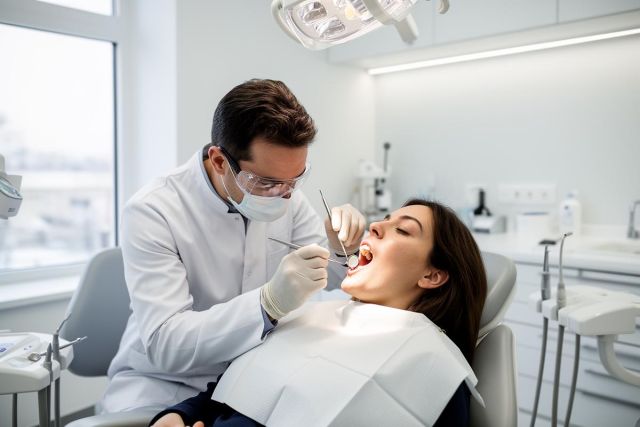
When you visit the dentist for an evaluation of a crown or bridge problem, the dentist will begin with a thorough clinical examination of the restoration and the surrounding teeth and gums. They will visually inspect the crown or bridge for signs of damage such as cracks, chips, or discoloration and use dental instruments to check for looseness or gaps between the restoration and the natural teeth. The dentist will also assess the health of the adjacent gum tissue and look for signs of inflammation or infection.
Imaging diagnostics, such as dental X-rays, are often employed to assess the underlying tooth structure and detect any issues not visible during the clinical exam. X-rays help identify problems like decay beneath the restoration, bone loss around supporting teeth, or infections that may have developed. In some cases, additional imaging techniques or tests may be used to gather more detailed information.
Treatment options depend on the severity and nature of the problem identified. Minor issues may be addressed by adjusting or polishing the restoration to improve fit and function. If damage is more significant, such as a fractured crown or bridge, replacement of the restoration may be necessary to restore proper function and aesthetics.
If decay or infection is present, your dentist will first treat these underlying conditions. This may involve removing decay and placing fillings, performing root canal therapy to eliminate infection within the tooth, or providing gum therapy to address periodontal issues. Only after these problems are resolved will the tooth be restored with a new crown or bridge. This comprehensive approach ensures that both the function and overall oral health are restored, reducing the risk of future complications and extending the lifespan of your dental restorations.
Restore Damaged or Missing Teeth With Crowns and Bridges
Answer a few short questions and HealthNode will help you connect with the right restorative or cosmetic dentist.
Crown, Bridge, or Replacement Needs
This helps us understand whether a crown, bridge, implant, or another treatment may be more suitable.
Dental Health Check
A few details help the dentist understand whether any treatment is needed before placing a crown or bridge.
Contact information
Your information is only used to contact you and is never shared with third parties.
Your request has been received!
Thank you. If you have dental X-rays, panoramic X-ray, CBCT scan, root canal records, previous crown or bridge records, treatment plans, or dental photos, please keep them ready. A HealthNode consultant will guide you through the next step.
Frequently Asked Questions
Q: How do I know if my dental crown is damaged?
A: Signs of a damaged dental crown include pain when chewing, sensitivity to temperature, visible cracks or chips, and looseness. If you experience any of these, it is important to have your dentist evaluate the crown to prevent further damage.
Q: Can a dental bridge be repaired or does it need replacement?
A: Minor damages to a dental bridge, like small chips, can sometimes be repaired. However, significant damage, looseness, or underlying tooth decay often require replacement of the bridge to restore proper function and health.
Q: How often should I have my crowns and bridges checked?
A: Routine dental visits every six months typically include an evaluation of your crowns and bridges. If you notice any problems such as discomfort or damage, you should schedule an earlier appointment for assessment.
Q: What risks come from delaying crown or bridge evaluation?
A: Delaying evaluation can lead to tooth decay under the restoration, infections, and structural failure. These complications may require more extensive treatment and can affect your overall oral health.
Q: What procedures do dentists use to assess crown and bridge problems?
A: Dentists use clinical examinations and dental X-rays to check for damage, decay, or infections beneath crowns and bridges. These diagnostic tools guide appropriate treatment decisions to restore oral health effectively.
The information provided is for educational purposes only and does not constitute medical advice. Always consult with a healthcare professional for medical guidance specific to your situation.