Quick Answer
If a filling falls out before your NHS appointment, the treatment needed depends on your tooth's condition and symptoms; your dentist may replace the filling, place a crown, or recommend other restorative procedures. Immediate dental care is necessary if you experience pain, sensitivity, swelling, or signs of infection.
- A lost filling does not always require emergency care unless accompanied by pain, sensitivity, swelling, or infection signs.
- Temporary measures like dental wax or over-the-counter repair kits can protect the exposed tooth until professional treatment.
- Avoid chewing on the affected side and maintain good oral hygiene to minimize irritation before your appointment.
- Dentists assess the tooth and may replace the filling, place a crown, or perform other restorations based on the tooth's condition.
- Urgent dental care should be sought if symptoms such as sharp pain or swelling occur.
- Preventive steps include avoiding hard or sticky foods, maintaining oral hygiene, and attending regular dental check-ups.
- During the NHS appointment, the dentist will examine, clean, and restore the tooth, providing aftercare advice to ensure restoration longevity.
A Filling Fell Out Before Your NHS Appointment: What Treatment Might Be Needed Next?
If a dental filling falls out before your NHS appointment, the next treatment depends on your tooth's condition and symptoms. In many cases, your dentist will assess the tooth and may replace the filling, place a crown, or recommend other restorative procedures. Immediate action may be necessary if you experience pain, sensitivity, or signs of infection.
Experiencing a lost filling can be worrying, but understanding your options can help you manage the situation calmly. NHS dental services typically provide treatment to replace or repair lost fillings, although the timing and specific procedure depend on your dental health and appointment availability. Temporary measures at home can help protect the exposed tooth until you see a dental professional.
Knowing when to seek urgent care and what to expect during your NHS appointment can ease anxiety and ensure you get proper treatment. This guide outlines how to evaluate your situation, preventive advice, immediate steps to take, and potential treatment pathways to restore your tooth effectively.
Restore Cavities, Cracks, and Damaged Teeth
Answer a few short questions and HealthNode will help you connect with the right restorative dentist for fillings or tooth repair.
Pain, Sensitivity, and Damage
This helps us understand whether you may need a simple filling, tooth restoration, root canal evaluation, or another treatment.
Previous Dental Care and Preferences
A few details help the dentist understand the best restoration option for your tooth.
Final Details
Share anything important so the dentist can better understand your case.
Contact information
Your information is only used to contact you and is never shared with third parties.
Your request has been received!
Thank you. If you have dental X-rays, photos of the damaged tooth, previous filling records, root canal records, treatment plans, or information about tooth pain or sensitivity, please keep them ready. A HealthNode consultant will guide you through the next step.
Assessing the Urgency of Your Dental Situation
A lost filling does not always require immediate emergency care, but you should evaluate your symptoms carefully. If you experience sharp tooth pain, prolonged sensitivity to hot or cold, swelling, or signs of infection such as redness or pus, it indicates that urgent dental treatment is needed. These symptoms suggest that the exposed tooth may be vulnerable to decay or infection, which could worsen without prompt care.
If there is no pain or discomfort, and no visible swelling or bleeding, you can usually wait until your scheduled NHS appointment to have the filling replaced. However, keep the area clean and avoid chewing on that side to minimize irritation. Applying a cold compress for any mild discomfort and taking over-the-counter pain relief can help manage symptoms temporarily.
If you are unsure about the severity of your situation, contacting an NHS dental helpline or your dentist for advice is recommended. They can guide you on whether you need urgent treatment or if waiting for your appointment is safe. Prompt professional assessment is essential to prevent complications such as tooth infection or abscess formation.
Common Causes of Filling Loss and Preventive Tips
Fillings may fall out due to several reasons such as normal wear and tear, biting down on hard foods, or decay developing around the filling edge. Over time, fillings can weaken, especially if the dental material used is not durable enough for the location and function of the tooth. Poor oral hygiene allows bacteria to accumulate, leading to decay that undermines the filling's bond.
Avoiding very hard or sticky foods can help prevent fillings from dislodging prematurely. Maintaining consistent oral hygiene, including brushing twice daily with fluoride toothpaste and flossing, reduces the risk of decay that can compromise fillings. Regular dental check-ups enable your dentist to monitor existing fillings and repair or replace them before they fail.
If you notice any sensitivity or roughness around a filling, mention it at your next dental visit. Early intervention can help extend the life of your filling and prevent it from falling out unexpectedly. Taking these preventive steps supports the longevity of your dental restorations and overall oral health.
Next Steps After a Filling Falls Out Before Your NHS Appointment
If your filling falls out before your NHS appointment, the first step is to protect the exposed tooth. You can gently rinse your mouth with warm water and avoid eating sticky or hard foods on that side. Over-the-counter temporary dental repair kits or dental wax can be used to cover the cavity until you see your dentist.
If you experience pain, sensitivity, or swelling, seek urgent care from an NHS emergency dental service. Many NHS clinics offer emergency slots for such situations. Otherwise, keep your scheduled appointment and inform your dentist about the lost filling in advance to ensure appropriate treatment planning.
Pain relief medications such as acetaminophen or ibuprofen can help manage discomfort temporarily. However, these measures do not replace professional care. Avoid attempting to reattach the filling yourself or using household adhesives, as they can cause further damage or infection.
Communicating openly with your NHS dentist about your symptoms and the history of the filling loss helps them provide the best care during your appointment.
Treatment Options for Replacing or Repairing a Lost Filling
When you see your NHS dentist after a filling falls out, they will examine the tooth to determine the best treatment. If the cavity is small and the tooth structure is intact, the dentist may replace the lost filling with composite resin or amalgam material.
For larger cavities or when the tooth has weakened significantly, a dental crown might be recommended to provide strength and protection. Crowns cover the entire tooth, restoring function and preventing further damage. In some cases, if decay or damage has reached the tooth's pulp, root canal treatment may be necessary before restoration.
Your dentist will discuss the options based on your tooth’s condition and overall oral health. The choice of material and procedure may also depend on aesthetic preferences and NHS treatment guidelines. After treatment, your dentist will provide care instructions to help maintain the restoration and prevent future issues.
What to Expect During Your NHS Dental Appointment for Filling Replacement
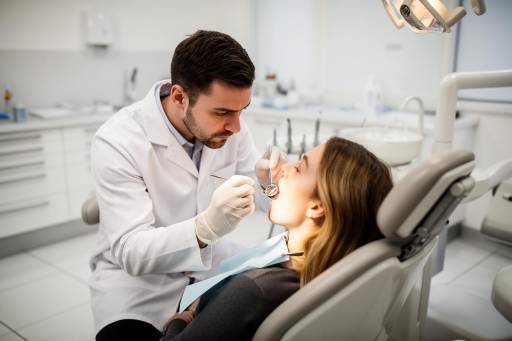
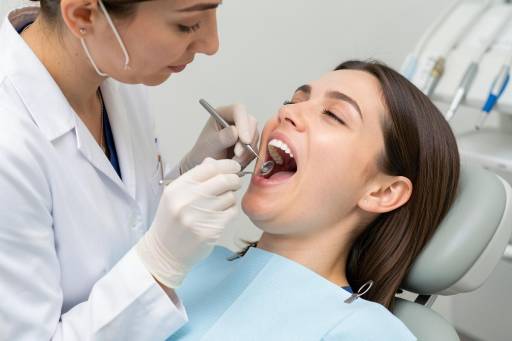
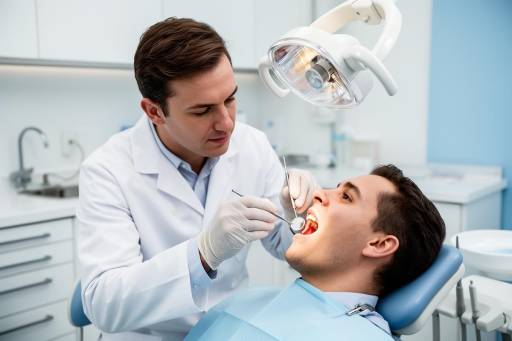
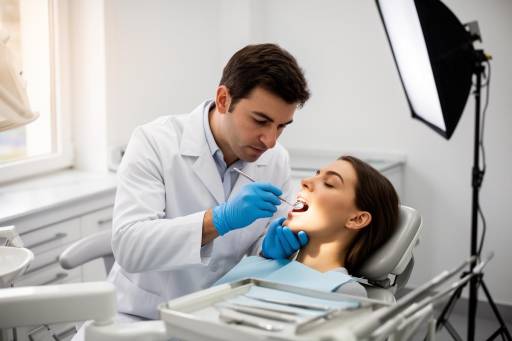
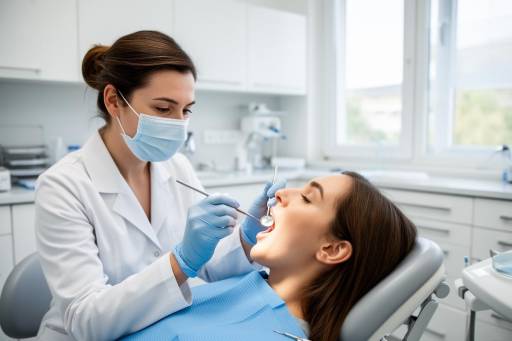
During your NHS appointment, the dentist will first assess the tooth thoroughly using visual examination and possibly X-rays. They will check for any decay, cracks, or infection that could affect treatment decisions. After evaluation, the dentist will clean the cavity area and remove any remaining decay.
The next step involves placing the new filling material or preparing the tooth for a crown if needed. The procedure typically involves local anaesthesia to ensure comfort. Once the filling or crown is placed, your dentist will polish and adjust it to fit your bite properly.
Aftercare advice will include avoiding very hard or sticky foods for a short period, maintaining good oral hygiene, and monitoring for any discomfort. Your dentist may schedule follow-up visits to check the restoration’s integrity and your overall dental health. This appointment helps restore your tooth’s function and appearance while preventing further complications.
Frequently Asked Questions
Q: Is it urgent if my filling falls out before my NHS appointment?
A: It depends on whether you're experiencing pain, sensitivity, or signs of infection. If so, seek urgent dental care. Otherwise, schedule your NHS appointment as planned.
Restore Cavities, Cracks, and Damaged Teeth
Answer a few short questions and HealthNode will help you connect with the right restorative dentist for fillings or tooth repair.
Pain, Sensitivity, and Damage
This helps us understand whether you may need a simple filling, tooth restoration, root canal evaluation, or another treatment.
Previous Dental Care and Preferences
A few details help the dentist understand the best restoration option for your tooth.
Final Details
Share anything important so the dentist can better understand your case.
Contact information
Your information is only used to contact you and is never shared with third parties.
Your request has been received!
Thank you. If you have dental X-rays, photos of the damaged tooth, previous filling records, root canal records, treatment plans, or information about tooth pain or sensitivity, please keep them ready. A HealthNode consultant will guide you through the next step.
Q: Can I temporarily fix a lost filling at home?
A: While temporary measures like dental wax or over-the-counter filling material can provide relief, they are not a substitute for professional treatment.
Q: How long can I wait before getting my filling replaced?
A: If there are no symptoms, you can wait until your scheduled NHS appointment. If pain or swelling develops, seek urgent care.
Q: What are the treatment options for replacing a lost filling?
A: Options include re-filling, placing a crown, or other restorative procedures depending on the tooth's condition and size of the cavity.
Q: Will my NHS appointment cover the cost of filling replacement?
A: Typically, NHS dental treatments are subsidized, but costs depend on your eligibility and specific treatment needs.
Q: How can I prevent my filling from falling out again?
A: Maintain good oral hygiene, avoid hard foods, and attend regular dental check-ups to ensure the longevity of your fillings.
The information provided is for educational purposes only and does not constitute medical advice. Always consult with a healthcare professional for medical guidance specific to your situation.