Quick Answer
New decay can develop under a dental filling that appears intact due to microscopic gaps or deterioration at the filling margins, often without visible signs. Regular dental exams and X-rays are essential for detecting this hidden decay early.
- Decay can form beneath an intact filling when bacteria infiltrate tiny gaps or cracks around the restoration margins.
- Fillings may shrink, crack, or wear down over time, creating spaces for bacteria to cause new decay under the filling.
- Hidden decay often causes no symptoms initially but may later lead to sensitivity, pain, or discoloration near the filling edges.
- Routine dental check-ups and X-rays are crucial for detecting decay beneath fillings that look intact to the naked eye.
- Poor oral hygiene, diet high in sugars and acids, and habits like teeth grinding contribute to decay under fillings.
- Treatment typically involves removing the old filling and decay, then restoring the tooth with a new filling or more extensive restoration if needed.
- Preventing decay under fillings requires good oral hygiene, dietary care, avoiding damaging habits, and regular professional dental care.
Can New Decay Develop Under a Filling That Still Looks Intact?
New tooth decay can indeed develop under a dental filling that appears intact to the naked eye, making it a somewhat hidden but significant dental concern. This hidden decay occurs when bacteria infiltrate tiny gaps or weaknesses around the filling margins, leading to recurrent decay beneath the restoration. Because the surface of the filling may look sound and undamaged, this underlying decay can easily go unnoticed without a professional dental evaluation.
Dental fillings are designed to restore teeth that have been damaged by cavities by sealing off the affected area and preventing further bacterial invasion. However, over time, fillings can develop microscopic cracks, shrink, or have margins that wear away due to chewing forces, temperature changes, and natural aging. These changes create spaces where bacteria can thrive, causing fresh decay beneath an otherwise seemingly stable filling.
Often, this hidden decay does not cause any symptoms or visible signs, allowing it to progress until it reaches a stage where it causes pain, sensitivity, or more extensive tooth damage that requires more complex treatment. Recognizing the risk of decay under fillings underscores the importance of routine dental check-ups and diagnostic tools such as X-rays, which can detect decay early even when the filling appears intact.
Restore Cavities, Cracks, and Damaged Teeth
Answer a few short questions and HealthNode will help you connect with the right restorative dentist for fillings or tooth repair.
Pain, Sensitivity, and Damage
This helps us understand whether you may need a simple filling, tooth restoration, root canal evaluation, or another treatment.
Previous Dental Care and Preferences
A few details help the dentist understand the best restoration option for your tooth.
Final Details
Share anything important so the dentist can better understand your case.
Contact information
Your information is only used to contact you and is never shared with third parties.
Your request has been received!
Thank you. If you have dental X-rays, photos of the damaged tooth, previous filling records, root canal records, treatment plans, or information about tooth pain or sensitivity, please keep them ready. A HealthNode consultant will guide you through the next step.
Maintaining good oral hygiene, including regular brushing and flossing, and monitoring any changes in tooth sensitivity or discomfort are also key strategies for preventing and identifying decay under dental restorations. By staying vigilant and proactive, patients can help preserve their natural teeth and the longevity of their fillings.
Signs That Indicate Possible Decay Under an Intact Filling
Decay beneath a dental filling often does not cause obvious visual changes on the tooth surface, making it important to pay attention to symptoms that may indicate underlying problems. One common sign is increased tooth sensitivity, particularly to hot, cold, or sweet stimuli. This sensitivity occurs because decay can expose or affect the dentin layer beneath the enamel and filling, which contains microscopic tubules connected to the nerve.
You might also experience mild pain or discomfort when biting down or chewing. This can indicate that the decay has weakened the underlying tooth structure or irritated the dental pulp, the innermost part of the tooth containing nerves and blood vessels. Sometimes, a filling may feel slightly loose or rough to the tongue, suggesting that the margins of the restoration have deteriorated or that small gaps have formed.
Visible discoloration or dark spots around the edges of the filling can also suggest recurrent decay, although these signs are not always present or easy to detect without professional tools. It’s important to note that decay under fillings can progress without any symptoms initially, which is why regular dental exams are crucial.
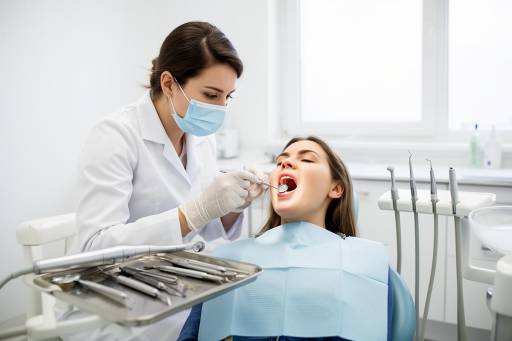
During these exams, dentists use instruments such as dental explorers to gently probe the filling margins and X-rays to detect decay beneath the surface. Paying close attention to subtle changes in your tooth’s feel, comfort, or appearance can prompt timely dental visits for evaluation and treatment, helping to prevent more extensive damage and preserve your natural teeth.
Factors That Contribute to Decay Formation Beneath Fillings
Several factors contribute to the development of new decay beneath existing dental fillings, often making it a complex issue to manage. One of the primary causes is the failure or natural wear of the filling material over time. Composite and amalgam fillings can shrink, crack, or wear down due to chewing forces and temperature changes in the mouth. These changes create microscopic gaps between the filling and the tooth structure, providing an ideal environment for bacteria to accumulate and initiate decay.
Poor oral hygiene is another critical factor. When brushing and flossing are insufficient or inconsistent, plaque, a sticky film of bacteria, builds up around the margins of fillings and between teeth. This plaque produces acids that erode tooth enamel and dentin, increasing the risk of recurrent decay beneath the restoration. A diet high in sugars and acidic foods further accelerates this process by feeding bacteria and weakening enamel.
Aging dental restorations naturally degrade over time due to constant exposure to chewing forces, temperature fluctuations, and saliva. The lifespan of a filling depends on factors such as the material used, the size and location of the filling, and the individual's oral environment. Eventually, even well-maintained fillings require replacement to prevent decay.
Bruxism, or teeth grinding, is another contributor that can accelerate the breakdown of fillings and cause excessive wear on tooth surfaces. This condition increases the risk of cracks and gaps forming around restorations, exposing underlying tooth structure to bacterial invasion. Understanding these factors can help patients and dentists work together to maintain oral health and extend the life of dental fillings.
Why Regular Dental Check-Ups Are Essential for Detecting Hidden Decay
Detecting decay beneath a dental filling early is often challenging without professional evaluation because the surface of the filling may appear intact and symptom-free. This hidden decay can progress quietly, eventually leading to significant tooth damage or discomfort if left untreated. Therefore, routine dental check-ups are essential for identifying these issues before they worsen.
During these visits, dentists perform thorough clinical examinations and utilize diagnostic tools such as dental X-rays to detect decay beneath fillings. Bitewing and periapical X-rays are particularly effective for revealing decay between teeth and under restorations by showing changes in tooth density or shadows that indicate the presence of decay. These imaging techniques allow dentists to see beyond what is visible to the naked eye.
Regular dental appointments also enable your dentist to monitor the condition of your existing fillings and the surrounding tooth structure. This ongoing surveillance helps identify early signs of filling deterioration, such as cracks or gaps, which can predispose the tooth to decay. Early detection means that treatments can be more conservative, often involving simple filling replacements rather than more invasive procedures like root canals or crowns.
Maintaining a schedule of dental exams tailored to your individual oral health needs, based on factors like your history of cavities, oral hygiene habits, and diet, is a proactive approach to protecting your teeth and fillings over time. These check-ups not only safeguard your dental restorations but also contribute to your overall oral and systemic health by preventing infections and maintaining functional teeth.
Treatment Options for Decay Under a Filling
When decay is detected beneath a dental filling, the treatment approach typically involves carefully removing the old filling along with the decayed tooth material. This process is performed meticulously to eliminate all bacteria and damaged tissue, which helps prevent further decay and prepares the tooth for restoration. The dentist ensures that the affected area is thoroughly cleaned to create a healthy foundation for the new filling.
After removing the decay, the tooth is restored with a new filling. Common materials used include composite resin, which matches the natural tooth color, or amalgam, known for its durability. The choice of material depends on factors such as the location of the tooth, the size of the cavity, and patient preferences. In cases where the decay is extensive and compromises a significant portion of the tooth, your dentist may recommend a larger restoration like an inlay, onlay, or crown. These options provide additional strength and protection to the tooth structure.
If the decay has progressed to involve the tooth’s nerve, root canal therapy may be necessary before placing the final restoration. This procedure removes infected pulp tissue and seals the root canals to prevent reinfection. Early intervention typically results in simpler treatments and better long-term outcomes, preserving as much natural tooth structure as possible.
Your dentist will tailor the treatment plan based on the extent of decay, the condition of the tooth, and your overall oral health. Following treatment, maintaining good oral hygiene and regular dental visits are important to ensure the longevity of the restoration and prevent future decay.
Preventing Decay Under Dental Fillings: Tips for Patients
Maintaining excellent oral hygiene is absolutely essential to preventing decay under dental fillings. This starts with brushing your teeth at least twice daily using fluoride toothpaste, which helps to strengthen tooth enamel and combat acid-producing bacteria. Flossing daily is equally important because it removes plaque and food particles from around the edges of fillings and between teeth, areas that toothbrush bristles cannot reach effectively. Neglecting these cleaning habits can allow plaque to build up and bacteria to multiply, increasing the risk of decay beneath the filling.
In addition to oral hygiene, dietary choices play a significant role in protecting your teeth. Limiting your intake of sugary and acidic foods and drinks is crucial because sugar feeds harmful bacteria, and acids can erode enamel, both of which contribute to cavity formation under fillings. Drinking water after meals is a simple but effective way to help wash away food debris and neutralize acids in the mouth.
Regular dental visits are vital for professional cleanings that remove hardened plaque (tartar) and for early detection of any signs of decay or filling deterioration. Your dentist can identify problems before they become serious. Avoiding habits such as chewing on hard objects like ice or pens, and managing teeth grinding (bruxism) if present, is important because these actions can damage fillings, causing cracks or gaps that allow bacteria to infiltrate.
Restore Cavities, Cracks, and Damaged Teeth
Answer a few short questions and HealthNode will help you connect with the right restorative dentist for fillings or tooth repair.
Pain, Sensitivity, and Damage
This helps us understand whether you may need a simple filling, tooth restoration, root canal evaluation, or another treatment.
Previous Dental Care and Preferences
A few details help the dentist understand the best restoration option for your tooth.
Final Details
Share anything important so the dentist can better understand your case.
Contact information
Your information is only used to contact you and is never shared with third parties.
Your request has been received!
Thank you. If you have dental X-rays, photos of the damaged tooth, previous filling records, root canal records, treatment plans, or information about tooth pain or sensitivity, please keep them ready. A HealthNode consultant will guide you through the next step.
Using fluoride mouth rinses or other dental products recommended by your dentist can provide additional protection by strengthening enamel and making teeth more resistant to decay. Overall, following these preventive steps not only supports the longevity of your fillings but also promotes your overall oral health, reducing the likelihood of needing more extensive dental treatments in the future.
Frequently Asked Questions
Q: Can decay develop without any visible signs on the filling?
A: Yes, decay can form under a filling even if it looks intact on the surface. Hidden decay often starts in microscopic gaps between the filling and tooth. Regular dental exams and X-rays are necessary to detect these early changes before symptoms appear.
Q: What symptoms suggest decay under a dental filling?
A: Common signs include tooth sensitivity to hot, cold, or sweet foods, mild pain when biting, and sometimes discoloration around the filling edges. These symptoms should prompt a dental evaluation to check for recurrent decay.
Q: How often should I have dental check-ups to monitor my fillings?
A: Most dental professionals recommend check-ups every six months, but your dentist might suggest more frequent visits based on your oral health. Regular exams help catch decay under fillings early and maintain your restorations effectively.
Q: Is replacing a filling the only treatment for decay underneath it?
A: Treatment depends on decay severity. Often, removing the old filling and decay followed by a new filling is sufficient. More extensive decay might require larger restorations like crowns or root canal therapy if the nerve is affected.
Q: Can I prevent decay under fillings with home care alone?
A: Good oral hygiene, a balanced diet, and avoiding harmful habits greatly reduce decay risk under fillings. However, professional dental care is essential for early detection and management of any issues that home care cannot address.
The information provided is for educational purposes only and does not constitute medical advice. Always consult with a healthcare professional for medical guidance specific to your situation.